Tag: Danube Delta

  • Lunca Fishermen’s House Pension proposes new activities to tourists in the autumn-winter season

    Lunca Fishermen’s House Pension proposes new activities to tourists in the autumn-winter season

    The tourist season never ends in Dobrogea. In fact, I can say that there is no extraseason in this picturesque region. Summer is gone, but it is a real pleasure to spend your vacation or minivacation in Dobrogea in autumn or winter as well. It is the period when we get rid of the heat, the mosquitoes disappear and do not bother us anymore, the traffic is much lighter, and the trees and reeds get copper colours and reflect beautifully in the clear waters. The landscapes are spectacular, and the activities in the cold season are unique and very interesting for those who have not tested them before.Casa Pescarilor LuncaLunca Fishermen’s House Pension is the perfect place for tourists who need silence to hear their thoughts and want to have quick access by car. You will find it in of Lunca, in the Razim-Sinoe lagoonary complex and near the tourist attractions in Tulcea county.

    Lunca Fishermen's House PensionIt is a quiet place, preferred both by visitors who want to relax in nature, take a boat or kayak and watch the birds and the landscapes, as well as by fishing enthusiasts.

    Tourists go to Lunca Fishermen’s House for tranquility and nature walks

    Situated between waters, in a fairytale setting, Lunca Fishermen’s House is a true oasis of tranquility and relaxation. The pension is open all year round, and most tourists opt for this location including in autumn and even in winter, either due to the recommendations made by other visitors, or because they can reach the pension by car. Thus, they no longer have to leave their car in Tulcea and leave in the heart of the Delta, declared for ‘Discover Dobrogea’ Mihaela Feodorov, the manager of Lunca Fishermen’s House Pension.
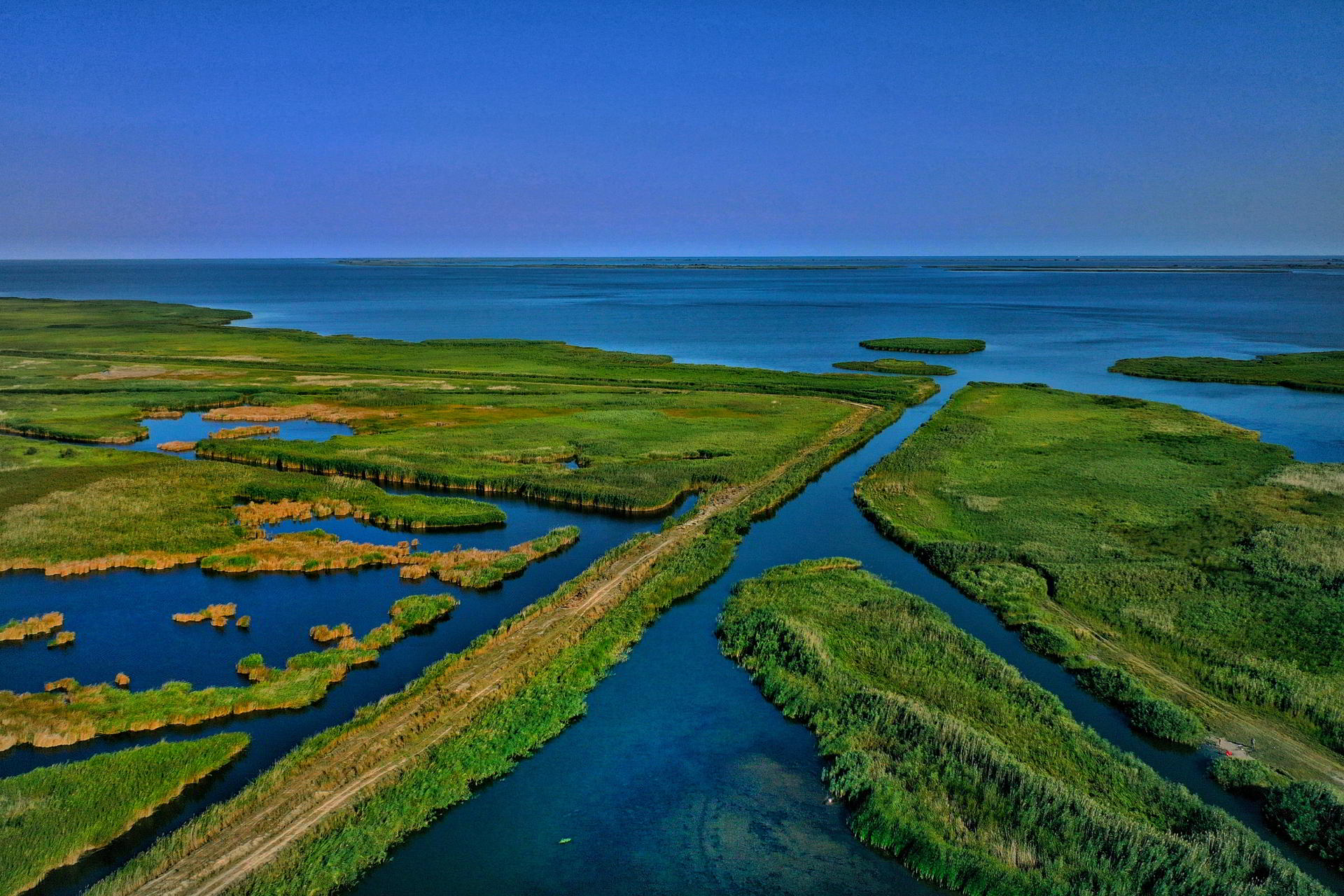
    Casa Pescarilor LuncaIn addition, from the pension that is located on the channels adjacent to Golovița Lake, you can reach anywhere in the Delta. ”Boat ride enthusiasts can come out on Dranov and then go to Sfantu Gheorghe, Sulina or anywhere else. To Sfantu Gheorghe the boat trip takes about 3 and a half hours.

    Casa Pescarilor LuncaWe do not recommend such a long route, especially if there are children in the boat, but tourists can go boating across the Razim, Golovița and Caraburum lakes, because the routes are light and are done in 2-3 hours”, said Mihaela Feodorov, the manager of Lunca Fishermen’s House Pension.

    Either romantic or active, all tourists feel good at Lunca Fishermen’s House

    Casa Pescarilor LuncaRegardless of whether we go on a team building event or with our family, not even in autumn do we get bored in Lunca Fishermen’s House. Apart from the fact that we are totally mesmerised by the gorgeous scenery around the pension, the activities we can do are numerous.

    Casa Pescarilor LuncaAll leisure facilities, namely rowing boats, kayaks and bicycles are included in the accommodation price, which is 250 lei per night. Romantic people can create a fairytale holiday for themselves, with boat rides on the lake and candlelight dinner, while active visitors can compete in canoe or bicycle competitions.

    Pensiunea Casa Pescarilor LuncaAlso, tourists can participate in wine tastings, associated with different dishes, which can be organised by hosts and winery representatives. This location is not to be missed during winter either, because the activities are quite unique.
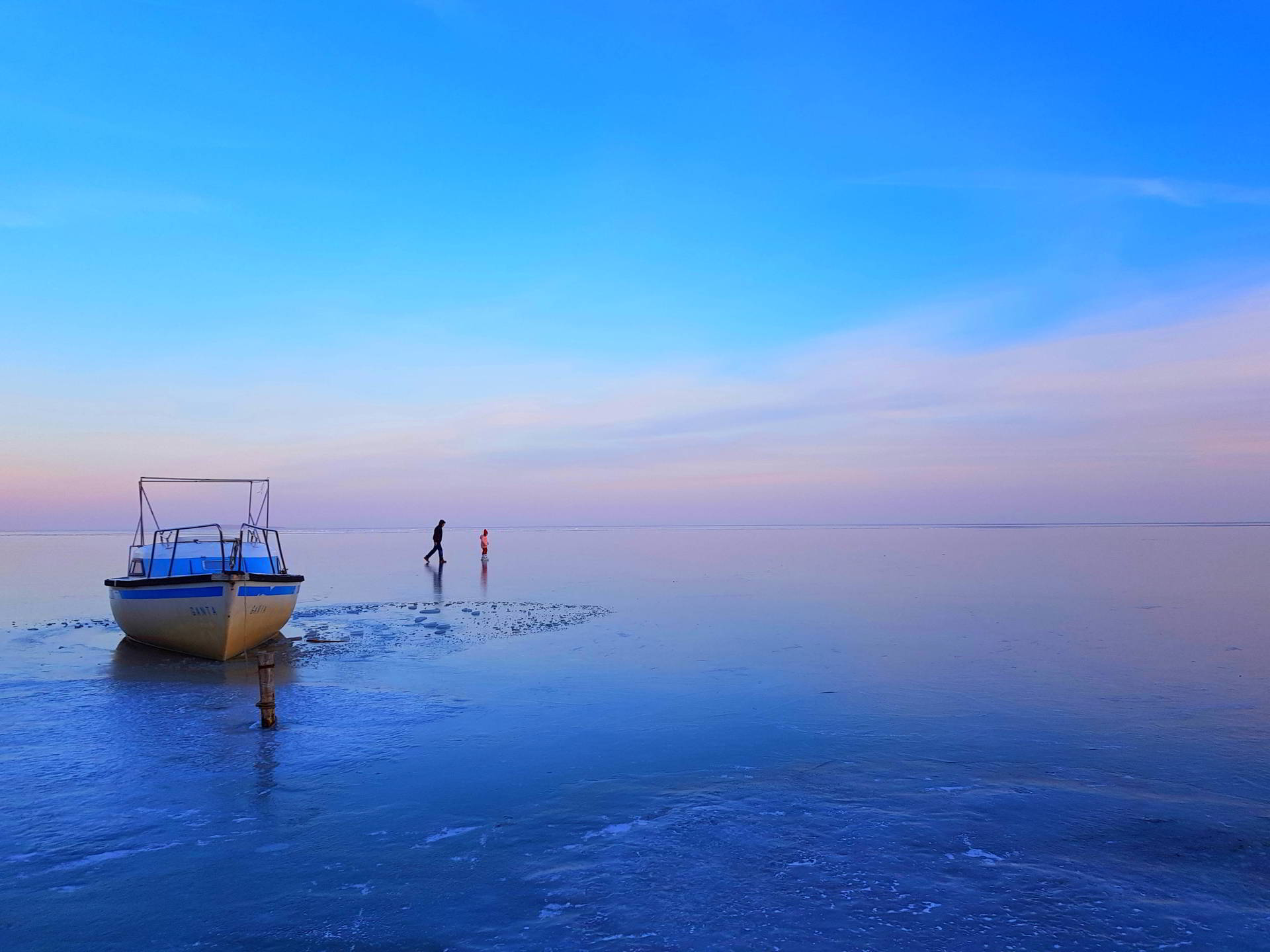
    Iarna, Sarichioi e de povesteTourists can ice skate on the frozen lake, so the limitations offered by an ice rink located in the city disappear, and the sensation is extraordinary. You can also go fishing in the hole in winter, visit the fortresses or, if you are lucky enough to catch snowy weather, you can sledge on the hills, then warm up at the pension with some boiled wine and small talk.

    Tourist attractions near Lunca Fishermen’s House

    Capul Dolosman, cea mai inalta faleza stancoasaIf you arrive at Lunca Fishermen’s House, it would be a pity not to visit the nearby tourist attractions as the area is loaded with history. Do not miss a walk to Jurilovca, located about 10 km from the accommodation place. Go to the ancient city Orgame founded by the Greeks, between 670-660 BC, now the Orgame-Argamum Fortress, the first historically attested settlement in Romania. From there, take a few steps to Capul Dolosman, the highest rocky cliff on the Romanian coast. It is a special area, because the perspective it offers is sensational. On a ray 180 degrees, the landscape has water, lagoon and sea, and the other 180 degrees are reserved for the Dobrogean hills. It is a delightful view and the photographs will be extremely successful. From Jurilovca, if you go 25 km further, you reach Enisala, another place with beautiful stories.
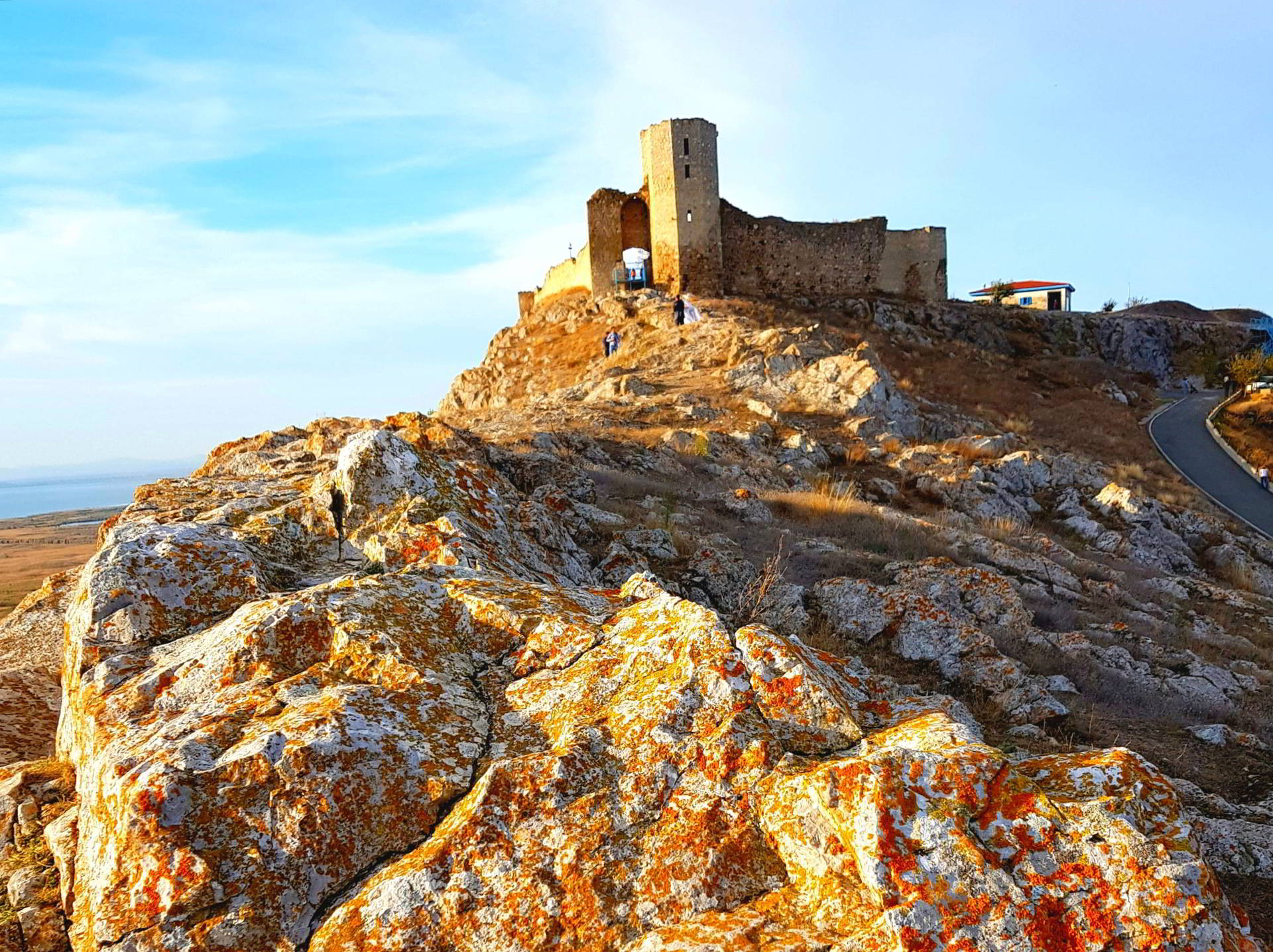
    Cetatea Enisala SarichioiMake an effort and climb up to Yeni-Sale (New Village) medieval fortress or Enisala, as we all know it. Located on a limestone hill, the fortress, which represents a monument of military architecture, dominates the area of​the Razim and Babadag lakes. The fortification from Enisala was part of the defensive system of the Romanian Country between 1397-1416, during the reign of Mircea cel Batran. After Dobrogea was conquered by the Turks, an Ottoman military garrison was installed in the fortress, but later, because it no longer corresponded with the strategic and economic interests of the Turks, it was abandoned. If you want to enjoy a special landscape when you return to Lunca Fishermen’s House, take a detour and go to Babadag Forest. Also from Lunca Fishermen’s House, you can also go to the triangle of the monasteries, located 70 km from the village of Lunca. Saon, Cocoș and Celic Dere places of worship have an extraordinary history and are an important attraction for the tourists arriving in Tulcea County.

    Traditional Danube Delta cuisine at Lunca Fishermen’s House
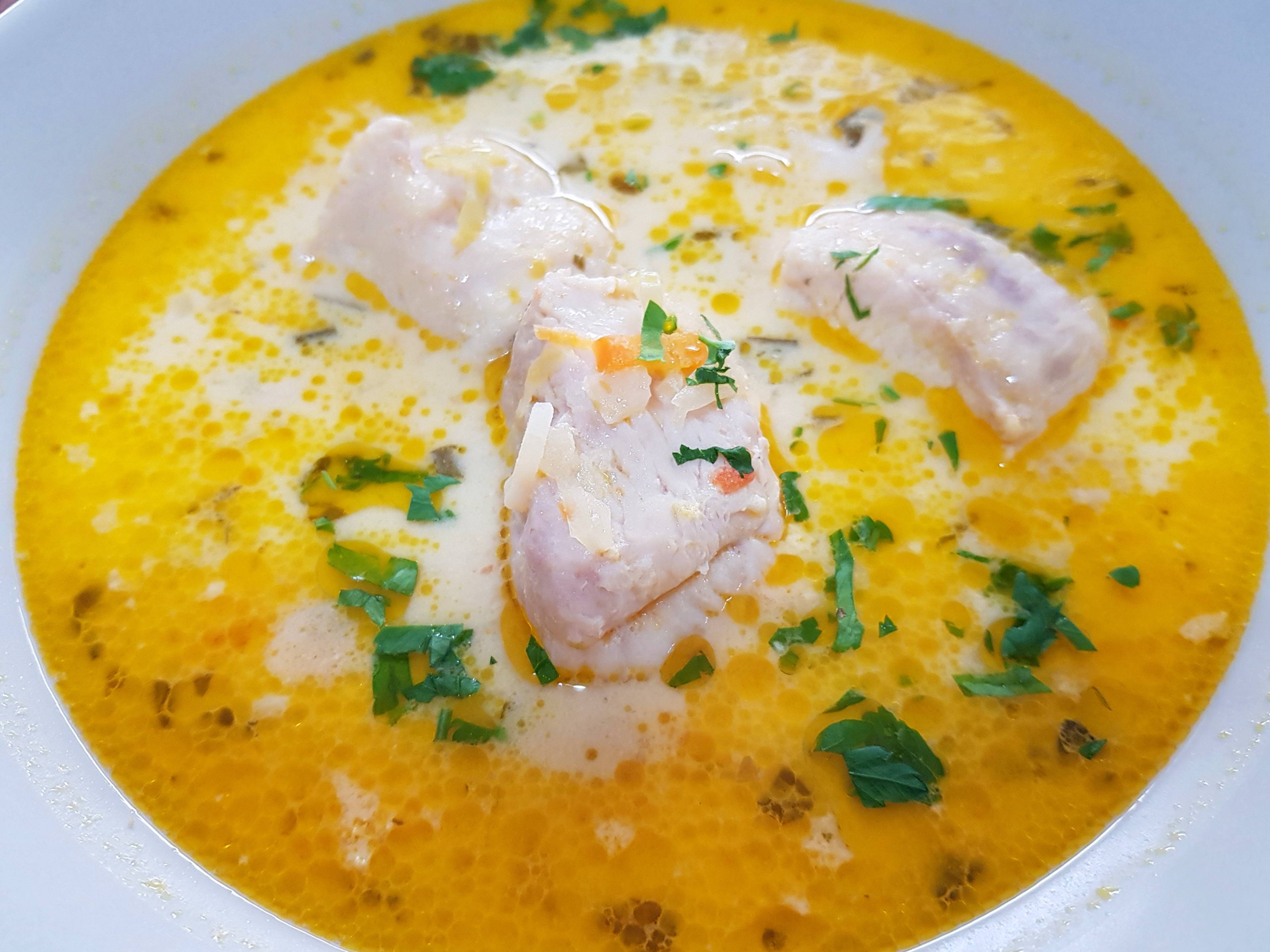
    Storceag Casa Pescarilor LuncaIf you plan to try a fish diet at Lunca, it will defintely work out for you. At the Fisherman’s House restaurant there are so many delicious fresh fish dishes that no picky person leaves unhappy. There is no tourist who does not ask for borș – traditional fish soup, but, lately, many have learned about storceag soup and request this dish, stated for Discover Dobrogea, Mihaela Feodorov, the manager of the Fishermen’s House Pension in Lunca. From her I also learned that fish eggs are always in the menu. Another dish adored by visitors of the restaurant in Lunca is the catfish stew. Mihaela told us how to prepare this dish which is favoured by tourists. Theoretically, it is not difficult to make, but it certainly requires experience. The catfish fillet is fried the pan, boiled in a little white wine, add some vegetables and spices are added, then it is serves with a glass of wine from Dobrogea.

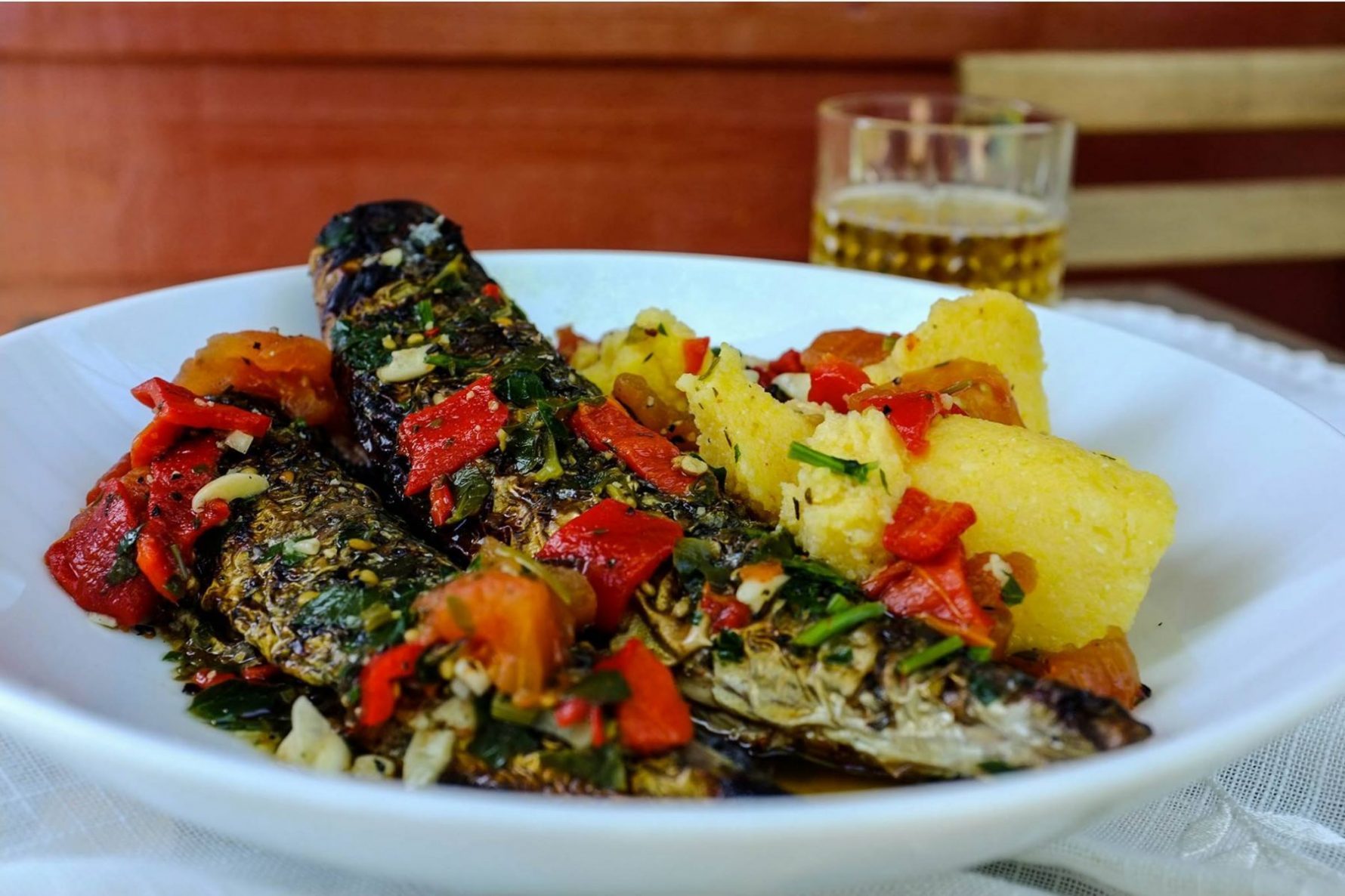
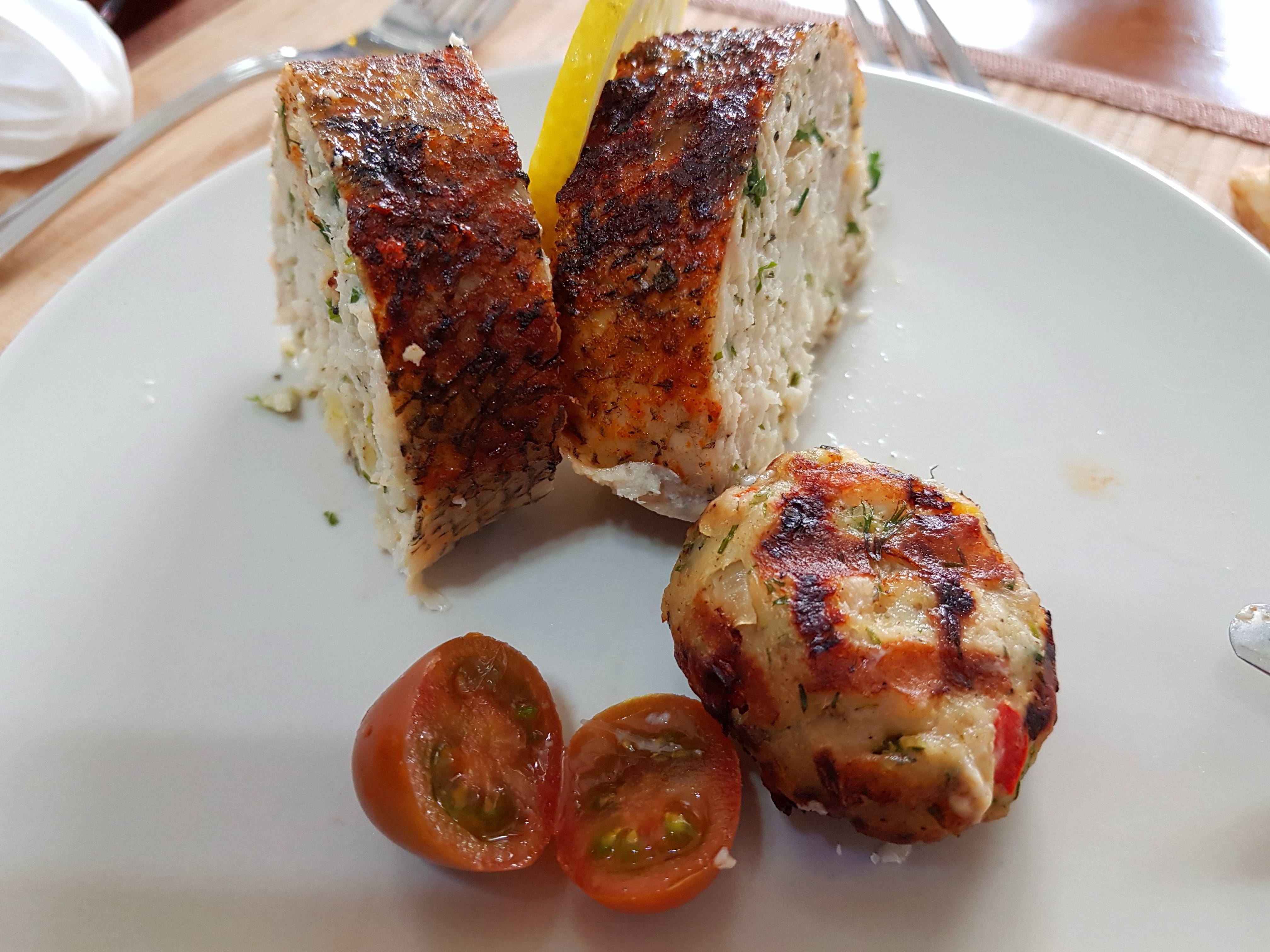
    Mancaruri traditionale TulceaI also give you a tip, if you come to the Fishermen’s House, order fish zacusca – a traditional fish and boiled vegetables dish which is a treat and you will ask for one more. Mihaela Feodorov revealed to me that zacusca is prepared in autumn, only with vegetables from the local producers, who do not use pesticides or insecticides, and fish is added when customers order this dish, which is finger-licking good. Of course, there are many other dishes that you can try at the Fishermen’s House, from fishballs or nuggets, to brine, ragout, baked, marinated or breaded.
    Saramura de pesteLately, many families with children have come to Lunca. There are playgrounds there, and parents can relax, because their little ones never get bored. Whether you go on a minivacation, team building or an anniversary, you will surely dream when you get back home, to this place where you have spent beautiful moments and you will want to return. Have a nice holiday!

  • Appetizers, food, fish sweets. No meal without fish at Sfântu Gheorghe

    Appetizers, food, fish sweets. No meal without fish at Sfântu Gheorghe

    During the communist era, when Romania’s president was Nicolae Ceausescu, there was the slogan: “No meal without fish.” At that time, this ad was on many blocks of flats, at intersections or in shops, and we were all urged to eat fish. Obviously, I thought it was a joke, and that nobody would ever eat fish at all meals.

    Mancare buna Holbina trei bibaniOh, well! I have found out that there were times when the inhabitants of Sfântu Gheorghe, most of which fishermen, did not eat anything else because they did not have what to eat. Only fish, believe it or not! Besides, we have all heard about all sorts of fish dishes, but about fish desserts, I had no idea whatsoever!

    Sturgeon cakes, beluga liver pie, plenty of caviar

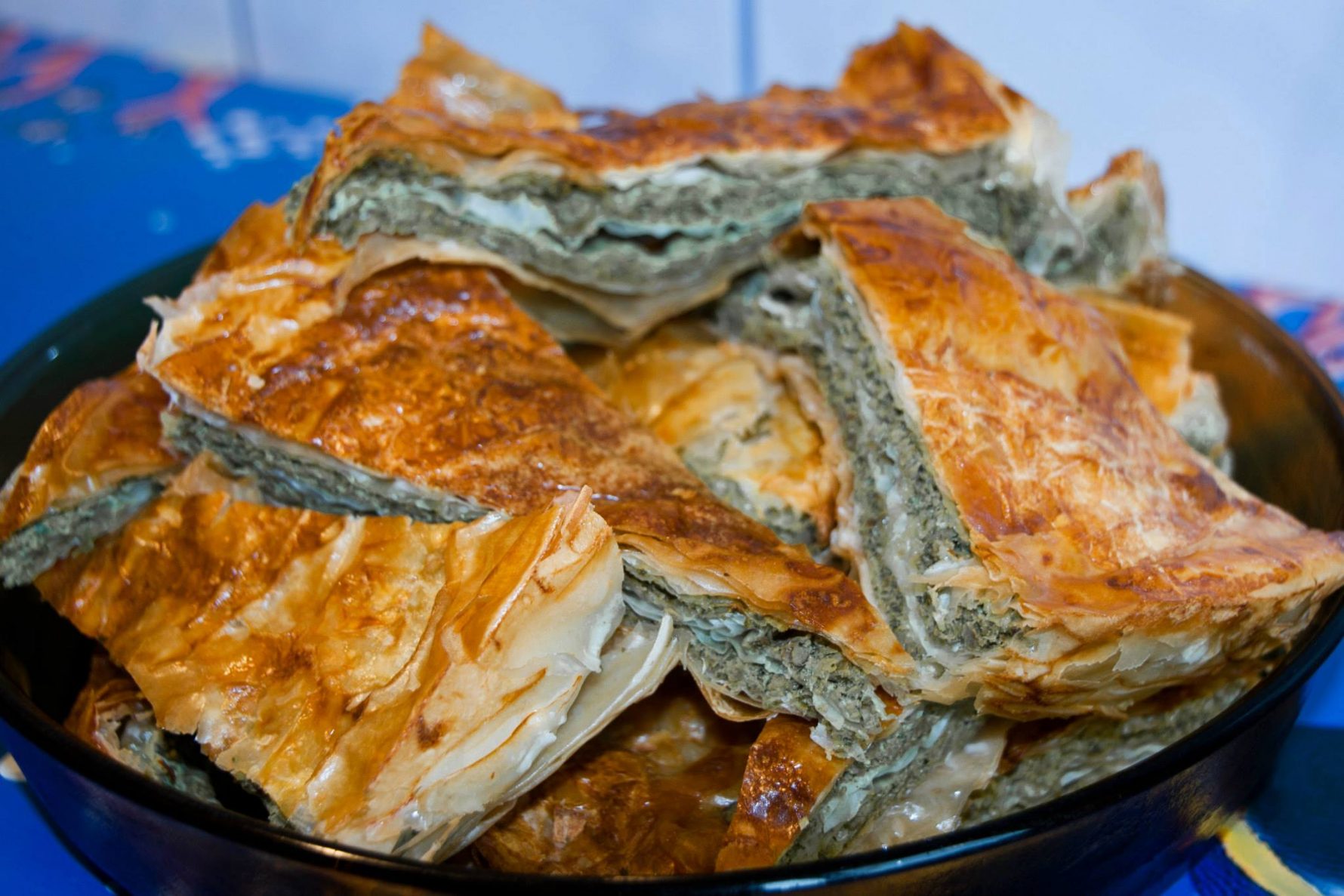
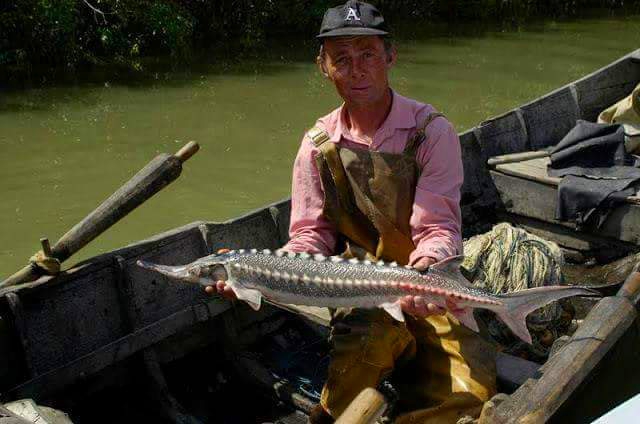
    Placinta cu ficat de pesteThere were times when the Ukrainians in Sfântu Gheorghe were extremely poor and did not have anything to eat. The thistles and the sturgeon saved them many times from starvation right after World War II. Back then, all the inhabitants of the Danube Delta used to eat only thistles and fish. Especially sturgeon, a species for which fishing has been forbidden for 12 years, and will still be for another 3 years.

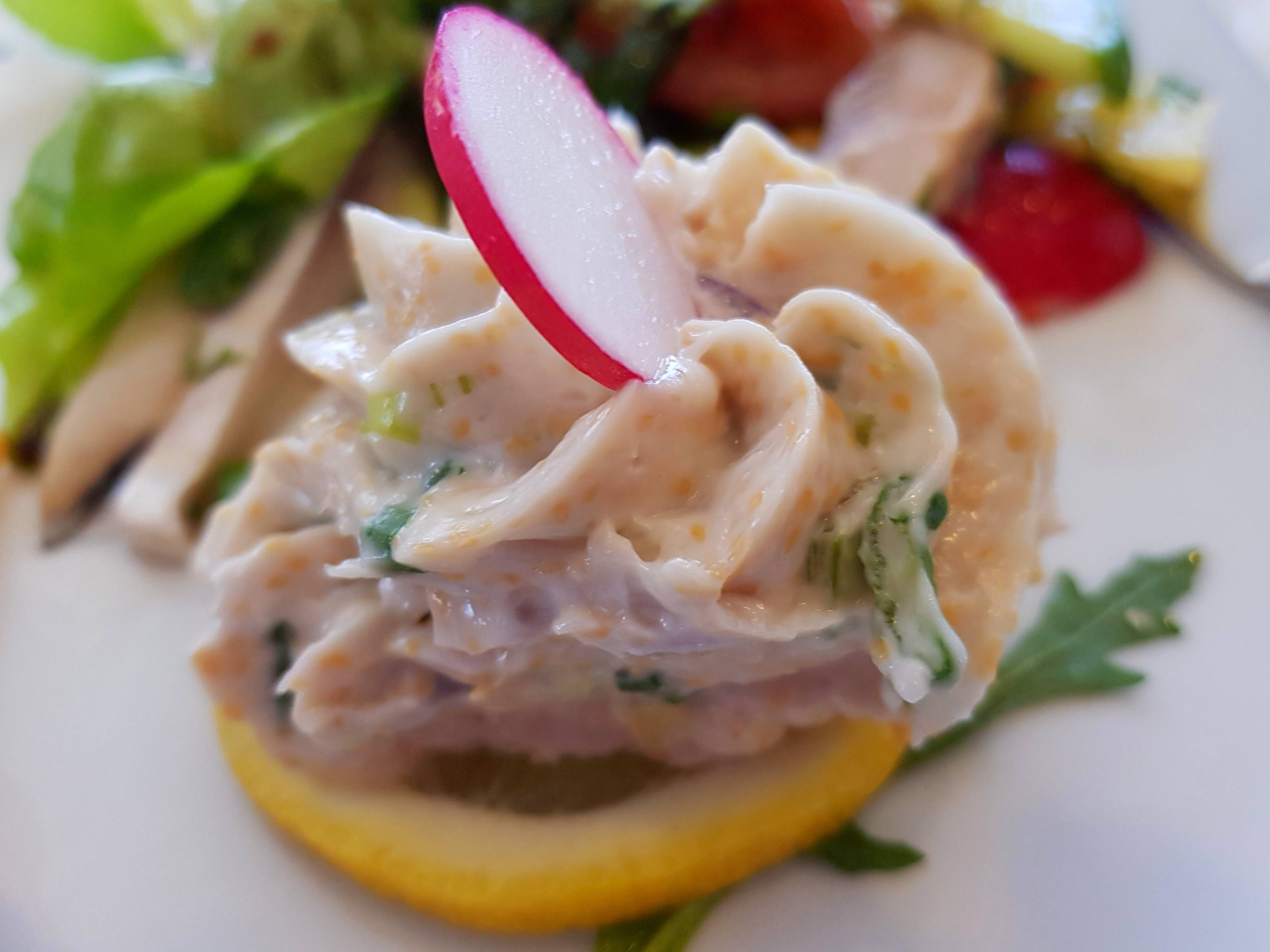
    Sarmale din pesteThey had nothing else to put on the table, and the sturgeon was the main source of food. They used to prepare all kinds of sturgeon dishes to diversify the menu, even though the main ingredient was the same. They adapted the cuisine to suit all tastes. They used to make beluga liver pie, fish or caviar tarts and cakes. The black caviar was eaten directly with the spoon, as they sometimes did not even have bread to spread it on. Whoever hears this now, would think that they were doing very well, but they had nothing.

    Out of 700 fishermen, there are only 46 left in Sfântu Gheorghe

    Delta Dunarii caviarThe life of the people in the Danube Delta was not very fun. During 1970-1980, there were about 700 fishermen in Sfântu Gheorghe, and the village had 2500-2800 inhabitants. Now it has only 620 inhabitants and there are 46 fishermen. The men in the village used to leave every Sunday night and did not come back home until Saturday afternoon. The whole area from Sulina to Gura Portiţei was studded with many fishing huts.

    Caviar Delta DunariiThey used to fish and take the fish to the fishery, it was a whole process. They used to sleep there because they had a bunch of fishing tools. The sea was very capricious, they had many nets in the water, fishing tools, and when the storm began, they were always ready to go out on the sea immediately and take the tools out of the water, otherwise they would be destroyed when the weather worsened.

    The fishermen earned a lot in Ceausescu’s time, but they did not enjoy it

    Saramura de pesteThey did not have AccuWeather at the time to know what the weather would be like nor mobile phones to keep in touch with their families. To find out what the weather would be like, fishermen had all sorts of signs they used to follow carefully. If the crow stands at the top of the tree, it will be warm, and if the crows gather, spin in a circle and crow, it will be cold and the storm follows. The brigadier was the wisest, most experienced fisherman. He knew all the signs and was the best qualified to make decisions.

    Storceag Holbina trei bibaniDuring the communist period, fishermen did not pay any tax, they had to bring the fish to the fishery and worked in a global agreement. They also earned 20,000 lei a month, but they worked very hard. They gave the fish to the state, and no matter how much fish they caught, a lot or little, they got the money on it. They always brought fish and caviar at home, without any problems whatsoever. Although they earned a lot of money, fishermen did not have what to do with it, and they did not have many moments of joy either.

    Mancaruri traditionale Delta Dunarii They had electricity only for two hours a day in the locality, drinkable water for two hours as well. At that time, all the actors and political party activists came to Sfântu Gheorghe for peace, fish, nature, caviar and fun. They washed themselves with a one-litre bottle of water warmed up in the sun and they were not that much trouble like the tourists nowadays. We have become demanding, we want a TV set, we want a shower, 5-star conditions, and we no longer enjoy nature.

    Icre Hotel Mon Jardin MahmudiaIn Sfântu Gheorghe there is a landscaped beach, where tourists can sunbathe in peace. Also, the locality is a good starting point by boat, little ship or dinghy to the Danube Delta canals.

  • Sarichioi, the village with happy people and beautiful traditions

    Sarichioi, the village with happy people and beautiful traditions

    If anybody would have told me that Tulcea’s town, Sarichioi is a dream place I wouldn’t have believed it, but I’ve seen it with my own eyes and it imprinted into my soul. I promised myself that I will return there to stay a while, to learn the place by heart.

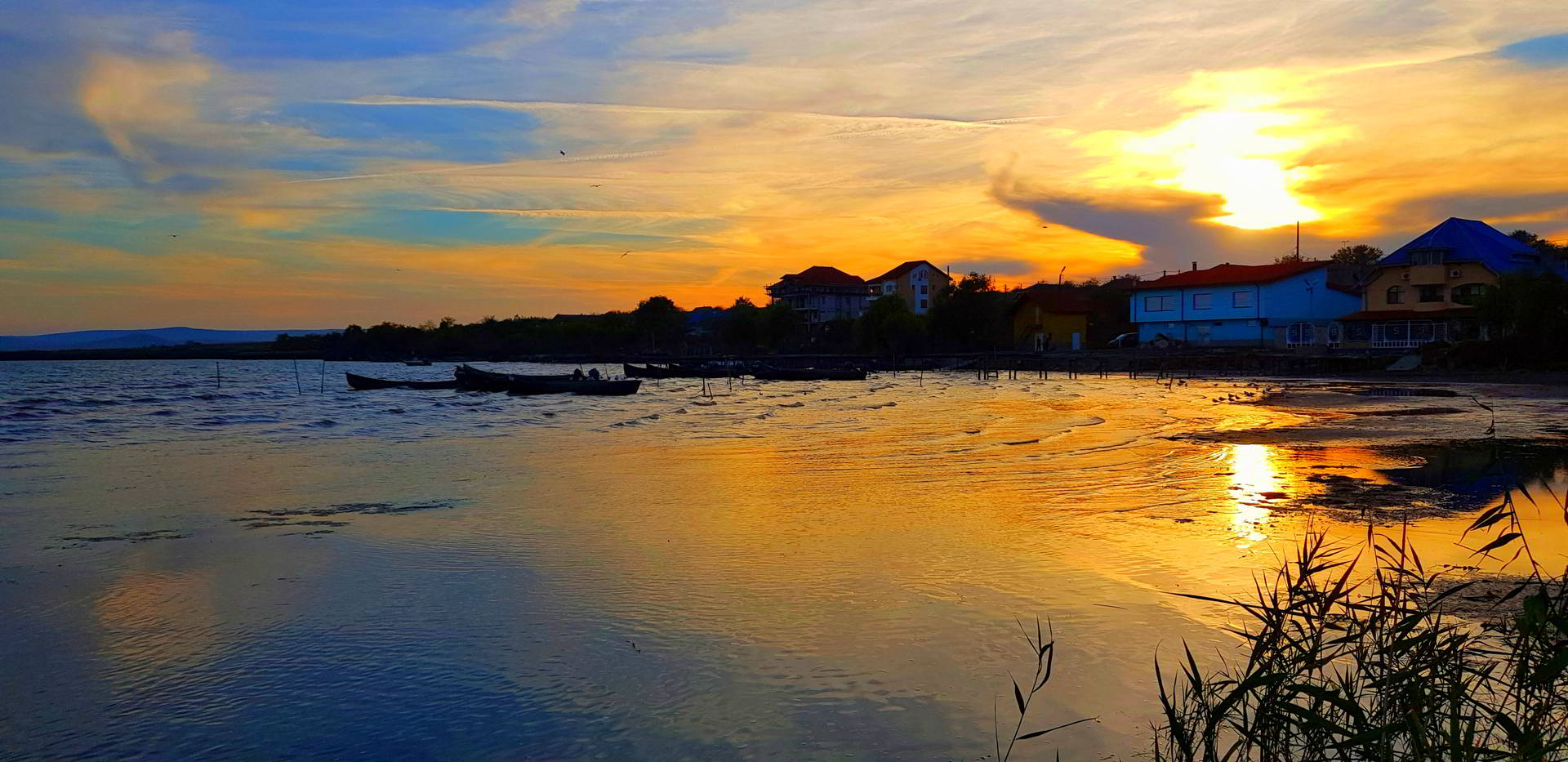
    Delta Dunarii SarichioiThe fishermen harbor of Sarichioi was the first that I noticed upon arriving and, honestly, it was very difficult to go  from there and continue my trip. I caught the harbor at the sunset and the place was very beautiful under the orange light. The boats left by the village fishermens to rest, were sitting quietly on the shore of the lake Razim. They looked like they were aligned there especially for the photo session that followed. 

    Flowers in all colors in front of the local backyards

    Flowers in SarichioiI hadn’t had enough of the wonderful harbor when I passed through the village. I swear I’ve never seen more flowers in front of houses as I did here. You would think they were having a contest. All colors and all kinds were sitting there proud making the passing through the village even more pleasant. Late in the evening I was sorry I didn’t take some pictures, I was just so taken with the place that I forgot to open the camera.

    The old rite church from Sarichioi

    Sarichioi Old Rite ChurchOn the shore of the same Razim Lake I found the Lipovans old rite Church from Sarichioi. I am not fool for places of worship, but this one is really something else. On the shore of the Razim Lake, the building is painted white and light blue and wears haughtily golden domes, ending with the cross sign different from the usual cross sign. The Lipovans cross has eight heads instead of four and is made from three wood sticks instead of only one.

    The Lipovans respect with holiness their traditions

    Sarichioi Old Rite ChurchIn Sarichioi lives the greatest community of Lipovans fromRomania, and their traditions are respected there with holiness. The weddings here are very beautiful and there are some customs here known only by the locals. The wedding starts on Sunday morning, very early. At 5 o’clock in the morning a group of women come from the bride’s to be gate to the grooms house to wake him up for going after the bride. He will go, together with other people to “buy” his darling and the negotiation is done by the bride’s girlfriends. At the religious ceremony the bride wears her hair braided in one and eventually will put her hair up in a bun with a small hat embroiled with beads. The women are not allowed into the old rite church without wearing something on their head. From the church the newlywed and the procession go to the groom’s house to eat and then, all together go to the restaurant, singing and dancing all the way.

    The people of Sarichioi are as happy as the lottery winners

    Happy people in SarichioiI told you the Lipovans are very happy people. I’ve seen them in different circumstances and their faces are always smiling. They are extremely energetic people, always with their “batteries charged”, I am still sure they discovered the external battery with the highest possible amperage. I got to study the members of the Ensemble Landâș when they sang one night at the Uzlina hotel. They had such happy faces, as if they just learned they won the lottery. I get to meet many people daily, but I really never seen anybody as happy as these people are. Including the mayor of the Sarichioi town, Finoghen Vitali-Cristian, which sang, danced and smiled all night, even though it was a Monday and he had come after a tiring day of work to be with the Ensemble Landâș.

    I would never want to see these people upset, but, I confess, I am curious to see if they would still be smiling. Corina Davidov, the spokesperson of the The Touristic Destination Management Association Danube’s Delta danced together with the women and men of the Ensemble Landâș in a gorgeous outfit that took everyone’s attention, and after some time, even though it was late night and the show was over, she was beaming with happiness. She told us she is also from Sarichioi and the locals have extremely beautiful traditions. I don’t know what these people eat, but I would really have some too. The gossipers say that liquor makes the Lipovans so happy, but I didn’t see them to even touch alcohol. I was so struck by their ecstatic state, that I will try to find their secret. They made me really curios. If they will reveal it to me you will be the first ones find out. Be happy and loved!

  • Tourist season in Danube’s Delta opens at the same time with the arrival of the migratory birds

    Tourist season in Danube’s Delta opens at the same time with the arrival of the migratory birds

    For birds and holidays lovers, Dobrogea is a real heaven on earth. Precisely that is the reason why in Danube’s Delta the tourist season opens on 25th of March. In the last few years, very many tourists, local and foreign started to come in Dobrogea and at the Danube’s Delta at the beginning of spring, just to be able to observe the migration of birds. It is pure joy to be able to watch the sky and see the show put on by the winged flocks looking for their nests.  The Touristic Destination Management Association Danube’s Delta and the County Council Tulcea have decided to open the tourist season 2019 at the end of March, so that nature lovers to be able find accommodation places. The ones waiting for the Easter holiday or the 1st of May though, to admire Dobrogea’s birds, will also be able to find offers at the hostels and hotels in the beautiful region.

    Dobrogea, the magical land of birds

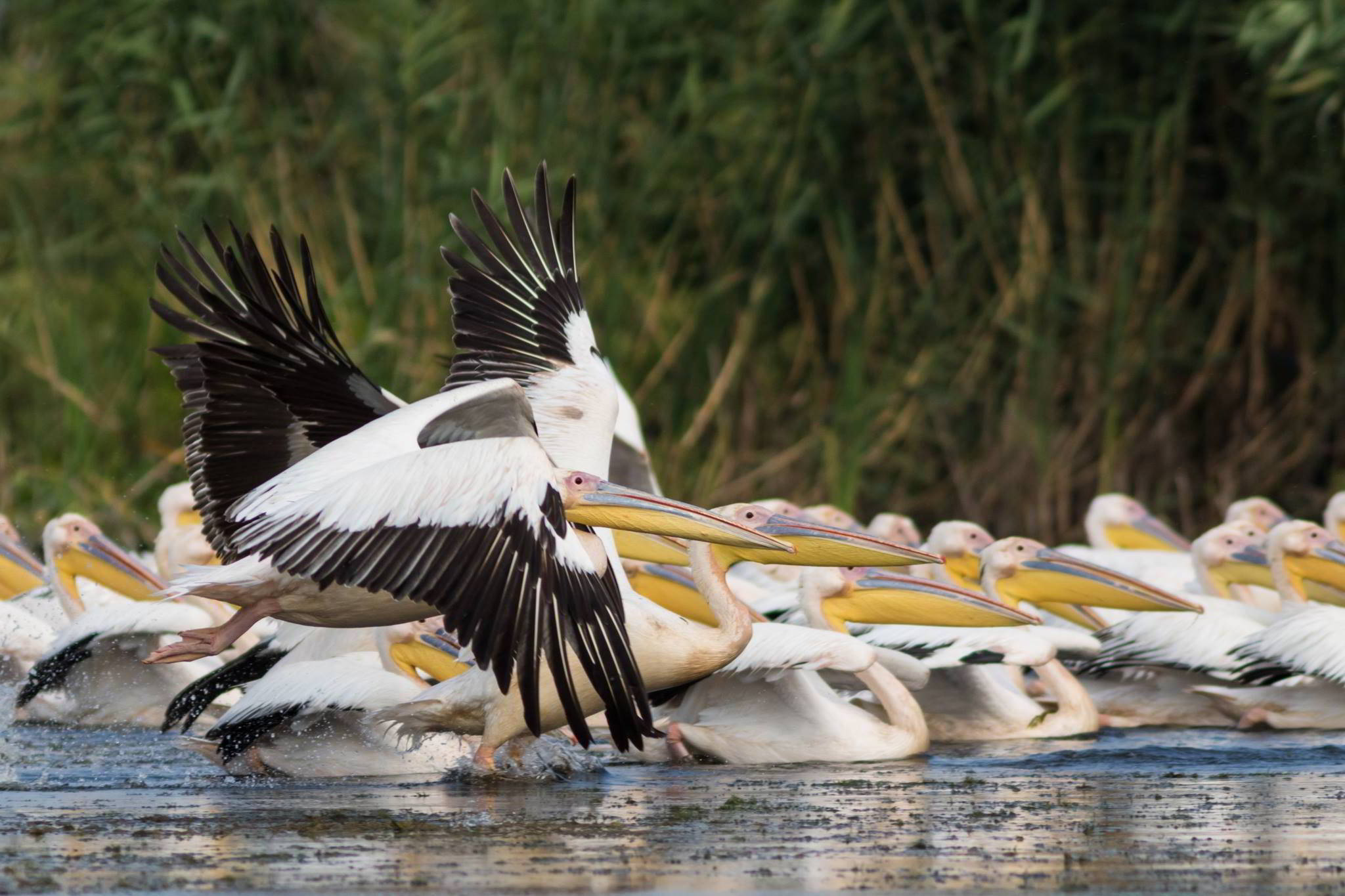
    Pelican comun DobrogeaPelicans. Foto: Silviu Pantiru

    No matter where we go in Dobrogea, be it the Măcin mountains, on the shore of the lake Nuntași, in the Danube’s Delta, in the Vadu area, at Agigea or on the shore of lake Techirgol, we need only raise our eyes at the sky, says Ovidiu Bufnilă, the representative of the Communication Department of the Romanian Ornithological Society (SOR). From him we found out that now, at the end of March we can observe the migration of the storks, cranes and pelicans. Also, large cloud formed from small birds, paseriforms, can be seen many areas from Dobrogea. Lake Techirghiol, Vadu area and of course the North Dobrogea and Danube’s Delta are very good migration observation spots. At the same time, we can also see the common pelican flocks, made of tens of thousands of specimens, which cross through Dobrogea on their way to their nesting area in the Danube’s Delta.

    Pelican cret DobrogeaPelican. Foto: Silviu Pantiru

    Also the grown pelicans, more rare specimens, can be already seen in the Danube’s Delta. As a first for Romania, the SOR specialists confirmed that in Romania’s fauna appeared a new specie which nests in Constanța. They are talking about the mooted cormorant, which prefers only the sea and accommodated great in the Constanta Harbor. More info about this specie you can find in this article.

    The rout of the migratory birds runs through Dobrogea

    In this period almost all the birds come back, Ovidiu Bufnilă said. Also, he clarified for us that Dobrogea isn’t just a place these birds choose to nest, it also represents “the throat of the funnel” through which pass almost all the birds on our continent, in their migration from Africa to Europe and Asia.

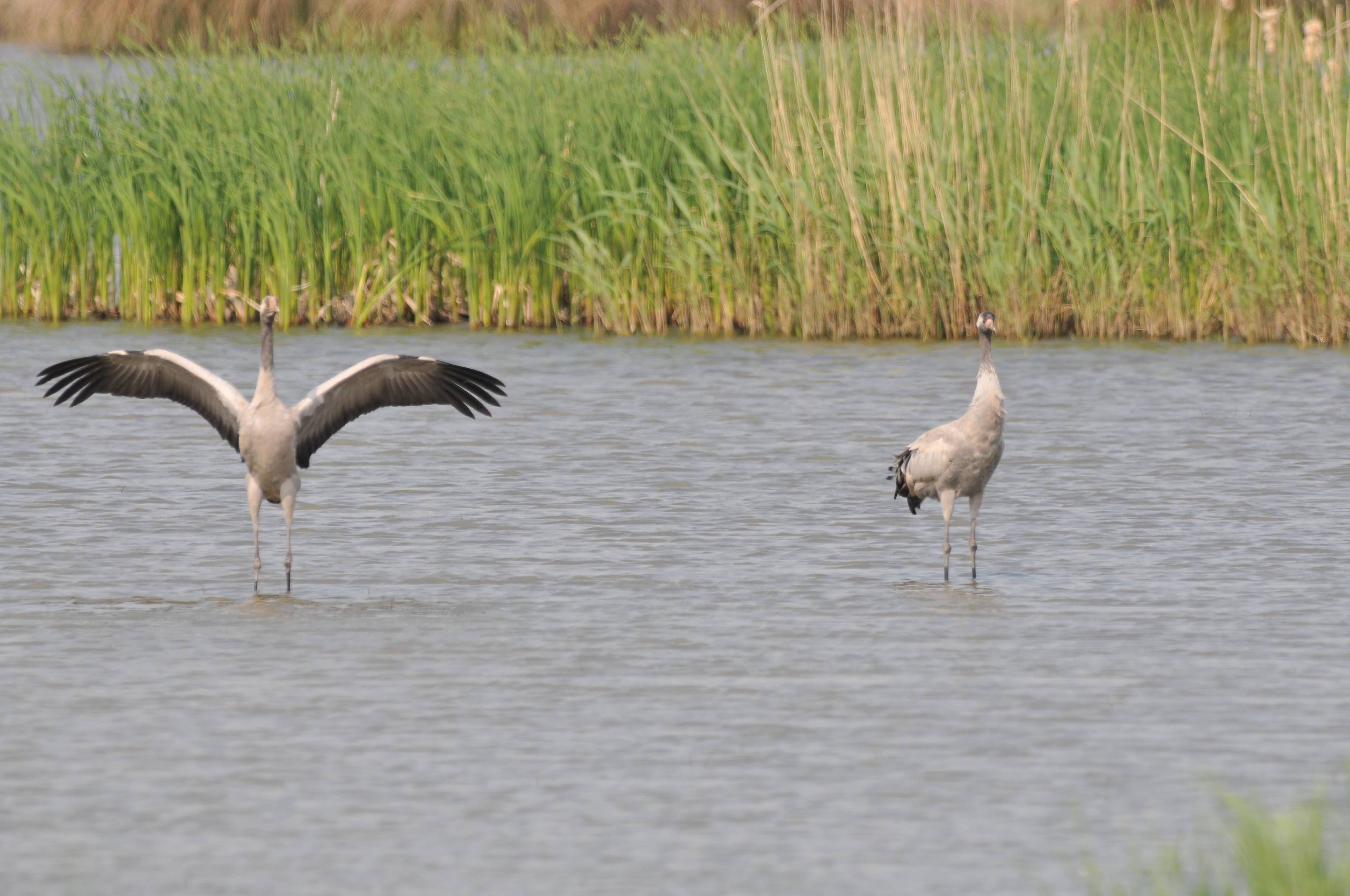
    Cocori DobrogeaCranes. Fotograf: Sebastian Bugariu

    We are not the only country from Europe in which the migratory birds nest, but we are the witnesses of an extraordinary spectacle: the yearly migration of the birds. And in Dobrogea we are able to see the strongest specimens, which spent the winter in Africa, ate, recovered their strength and then came back. In the fall we’ll see, together with them, the youth, that hatches this year, but now we have the strong, adult birds, ready to mate, year by year crossing Dobrogea’s sky” tells us Ovidiu Bufnilă.

    Also, he says, there are no more cranes nesting in Romania, but in Dobrogea they come every year none the less. They arrive from Africa, from Asia Minor, from Israel, where they stayed over the winter and are flying towards North Europe, up until Sweden. The cranes where seen more and more often lately, even though, at one point they had changed their migrating rute and were no longer passing through Dobrogea.

    Storks, the symbol of stability

    Barza DobrogeaStork. Foto: Sebastian Bugariu

    The storks have a perfect functioning “GPS” and they know exactly how to turn to the nest. This is the précis reason, from ancient times, people would recognize the stork as a symbol of stability. They are amazing smart birds that would return to the exact place they nested the year before. Ovidiu Bufnilă (the representative of the Communication Department of the Romanian Ornithological Society (SOR)) offered us a perfect example in this regard. He told us about an incident happened a couple of years ago, in the Argeș district, where, after a stork nest was moved 600 meters away from the initial spot, because of the complaints of a local. SOR had recommended moving the nest at a maximum of 200 meters distance. The nest was relocated at 600 meters distance, so the stork refused to go back to it. This specie is very faithful to the location where it nested and to its mating partner, with who it never parts, so that the stork knows exactly where to go and what to do.

    The migration of the birds is in time. They fly even 500 km per day

    This year, the migration of the birds is in time, they left in January, February from Africa, they will be in our country in March and start nesting, says Ovidiu Bufnilă. He also clarified that the migration interval depends a lot on the weather and on the food the birds are able to find “As we plan our holidays according to pit stops or fuel stations, the same way do the migratory birds. They come on a well known path, they know where to find food and water, where the dangers are and how to avoid them. They even started to modify their route according to what happens on the way: the building of wind parks, the intensifying of hunting in some areas, but also know very well where they are getting help. So that the next trip depends on this pit stops and on the weather. The stork, for example, being a big bird, would be exhausted if it would continuously fly. That is why they prefer to let themselves be carried by the worm air current just like the paratroopers do. So they get carried on the hot current for as long as possible. This means that sometimes, the storks are able to go through 200 km and even 500 km a day, depending on the winds and currents. There are also some storks staying over the winter in Romania, because we don’t see the cold winters we used to before”, we also found out from Ovidiu Bufnilă.

    The spectacle offered by the birds can be seen in many areas from Dobrogea

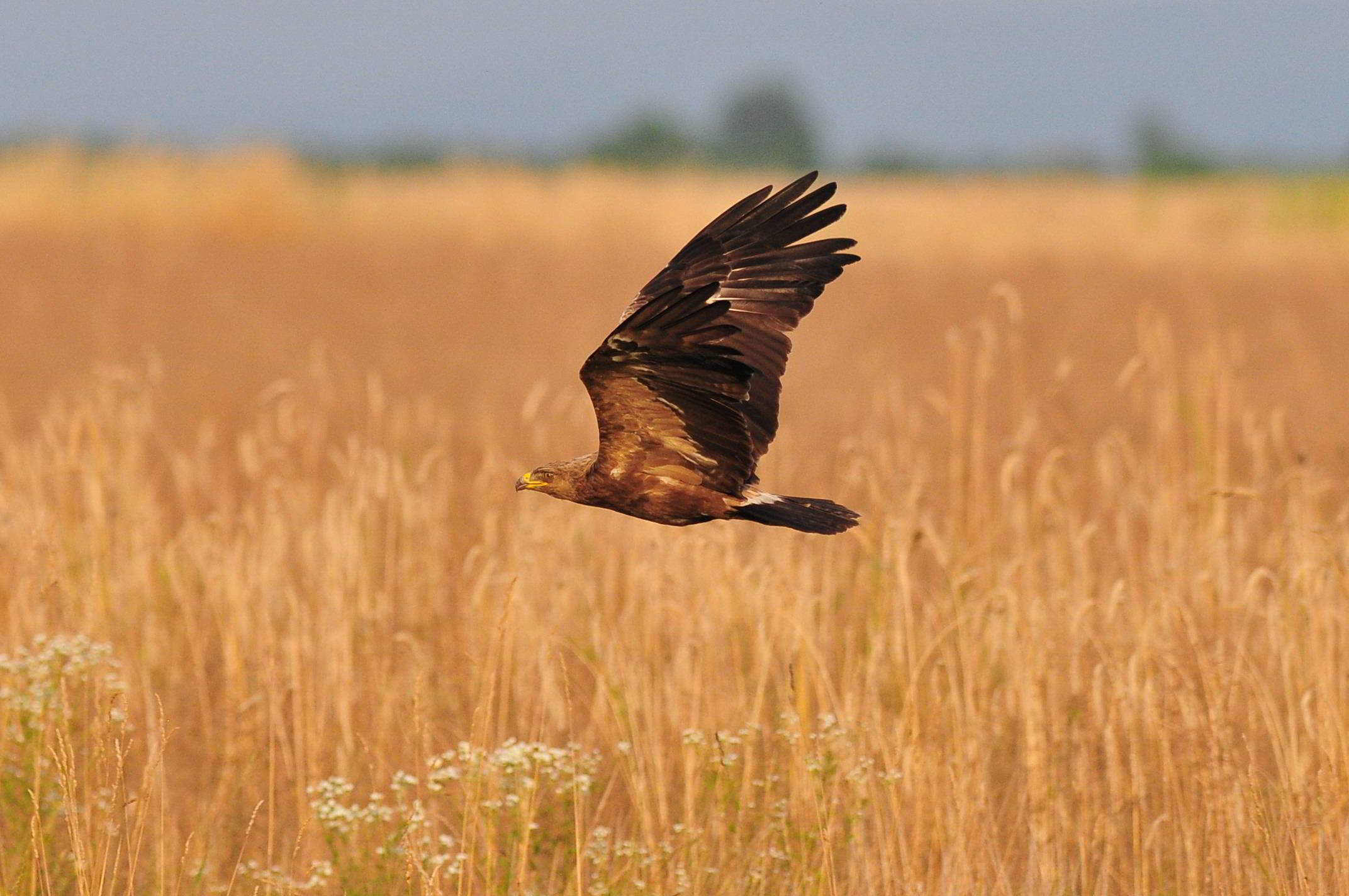
    Acvila tipatoare mica DobrogeaAquila. Foto: Sebastian Bugariu

    The best places for the birds are the ones with food and water resources. The stork, for example, feeds on rats, so we can find it close to the Năvodari landfill and close to the big cities, says Ovidiu Bufnilă. They don’t handle well the city so they try to stay close to the periphery and in the areas found in the proximity of water sources, like the lakes from Dobrogea, from Vadu or Nuntași or Danube’s Delta. Ovidiu Bufnilă says in this same period starts the migration of the predatory birds. And the eagle will come also through Dobrogea, including the little spotted eagle, its itinerary passing through the area and continuing on to Bulgaria, Turkey and then reaching Africa and Asia.

    The bee eaters, Dobrogea’s exotic birds

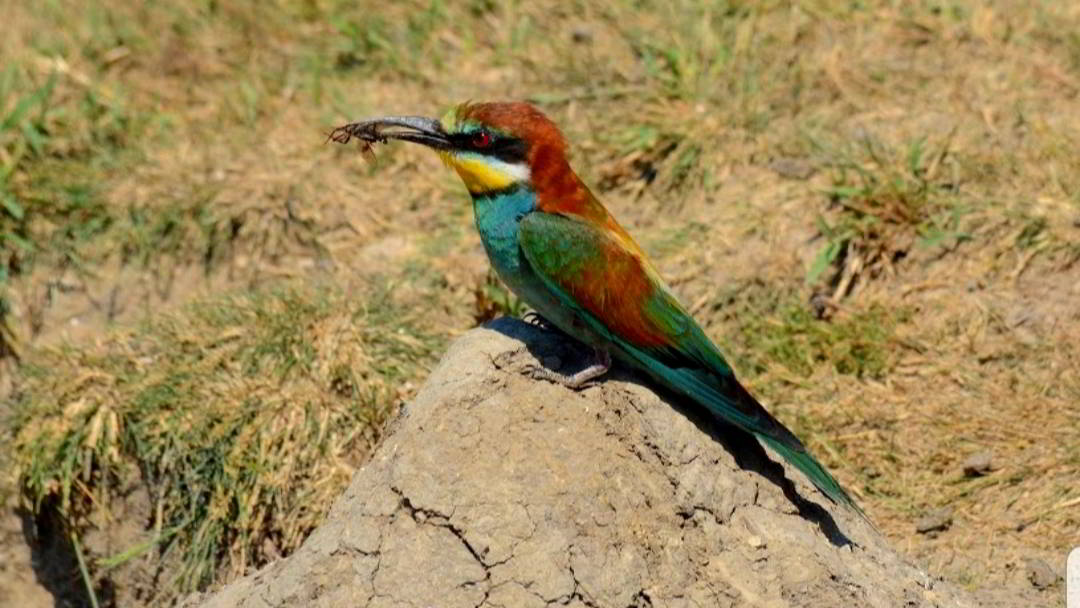
    Prigorie in DobrogeaBee eater. Foto: Emil Todorov

    The bee eaters are spectacular birds, probably the most exotic due to their extravagant color, a combination of red, yellow, blue with green nuances. In Dobrogea the bee eaters can be seen without any difficulty, mostly on the sandy shores. Ovidiu Bufnilă revealed that when we see a shore with many holes, there we can find either bee eaters or shore martins. From Ovidiu Bufnilă we also found out there are many people that think it’s good to kill them because they eat the bees.

    There are many bee keepers in Dobrogea that produce honey but don’t know that the bee eater, even though it’s called this way, is eating, not only bees, but also wasps which are known for attacking the bee hives, and also dragonflies and many other insects. The bee eater puts on a real performance while and after capturing a wasp, they hit it with the back to a branch so to take out the poisonous needle and only after that it throws it in the air and swallows it”, tell us Ovidiu Bufnilă.

    From the birds we can learn to enjoy spring

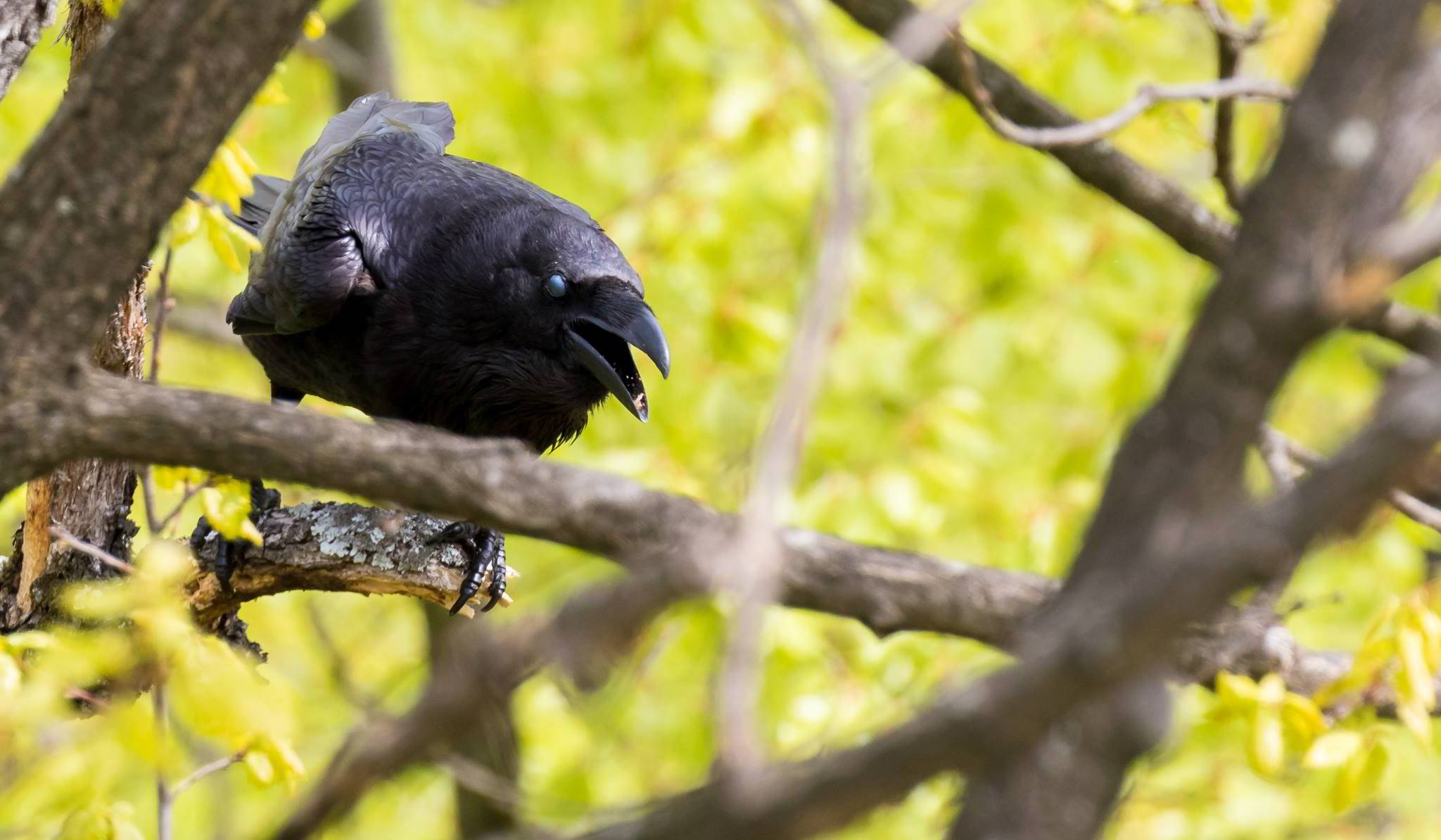
    Corb DobrogeaRaven. Foto: Silviu Pantiru

    We have a lot of things to learn from the birds. The raven chicks, for example, when their parents grow old, they help them and feed then, says Ovidiu Bufnilă. Also, he states “we can learn from a mire blue titmouse how important it is to have a clean, nice smelling house. The titmouse take lavender and mint to their nests made out of other aromatic herbs, so that it smells as good as possible. More than that, those herbs help them not become the hosts of parasites. I’ve seen in London, on the Thames, among many plastic bottles, papers and bags, some swans were taking those out on the shore using their beak.

    Mierla DobrogeaBlackbird. Foto: Răzvan Zinică

    The same Ovidiu Bufnilă advises us from time to time to take a brake. “Look at the blackbird in the park, when it finds a sunny spot it stops, stretches its wings and just waits there to become worm. The blackbird is a very fancy bird. We have to learn from the birds to sing and to enjoy simple things. That’s what they do now, they enjoy the nature, the spring and sing all the time”.

    The touristic offers for Danube’s Delta for Easter and 1st of May are almost exhausted

    The President of the Tourist Destination Danube’s Delta Association, Cătălin Țibuleac says that de hostels and the hotels from the Danube’s Delta are already filled in proportion of almost 80% for the Easter holiday period and for the one on 1st of May. So, the ones that didn’t buy a holiday until now must know that for the free days in the mentioned periods there are still maximum 3000 available places, from a total of 10.000. He states that there is a rise in the number of visitors, compared with other years, and the tourist fairs the Tourist Destination Danube’s Delta Association and Tulcea’s County Council took part in played a very big part in this rise.

    Cătălin Țibuleac clarified that for the fishermen, the tourist season in the Danube’s Delta started from the 15th of March and there are organized many competitions for fishing pike, zander and perch. This is also the period for the ones that wish to observe the migration of the birds to reserve rooms for this “show”.

    More than that, many choose spring for visiting Danube’s Delta because they are not buttered by the mosquitoes and also weather isn’t too hot, says Cătălin Țibuleac. There are tourists that already both their holiday for May and June months, so that the accommodation units are already booked in proportion of 40%.