Category: History&Culture

  • The Black Vulture returned to Dobrogea after more than half a century

    The Black Vulture returned to Dobrogea after more than half a century

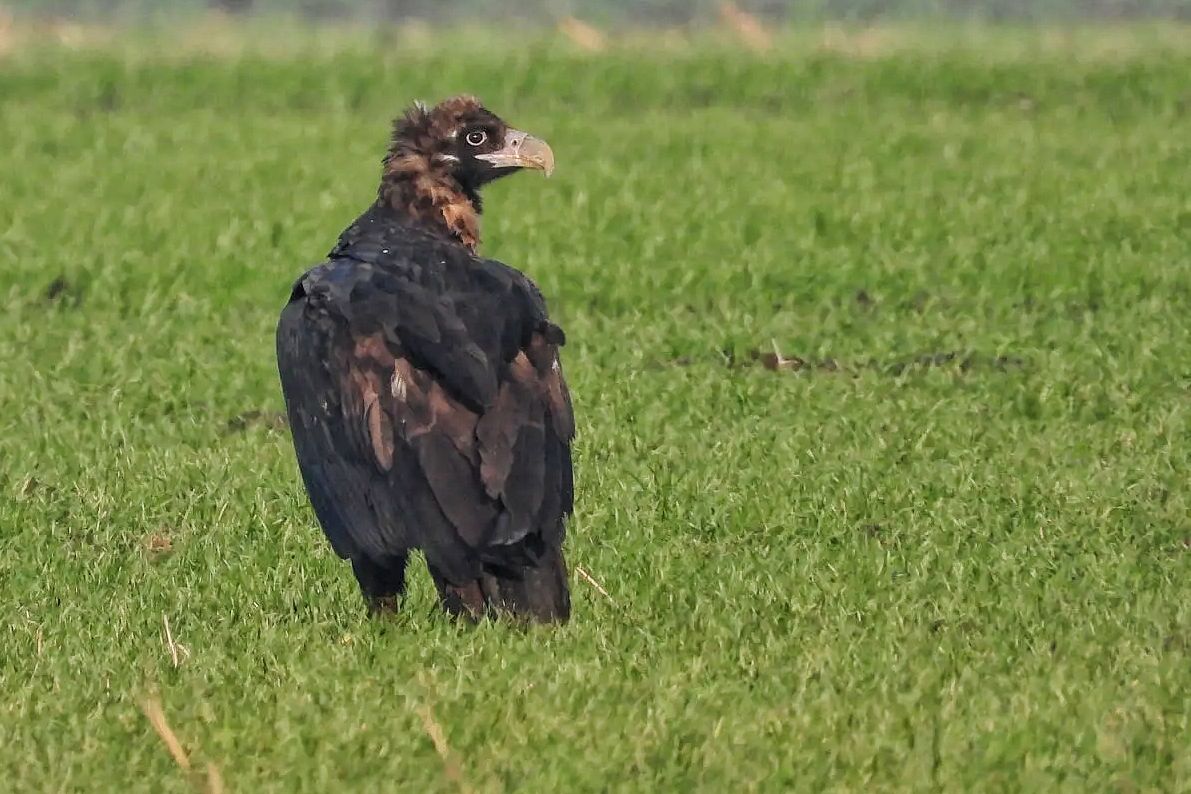
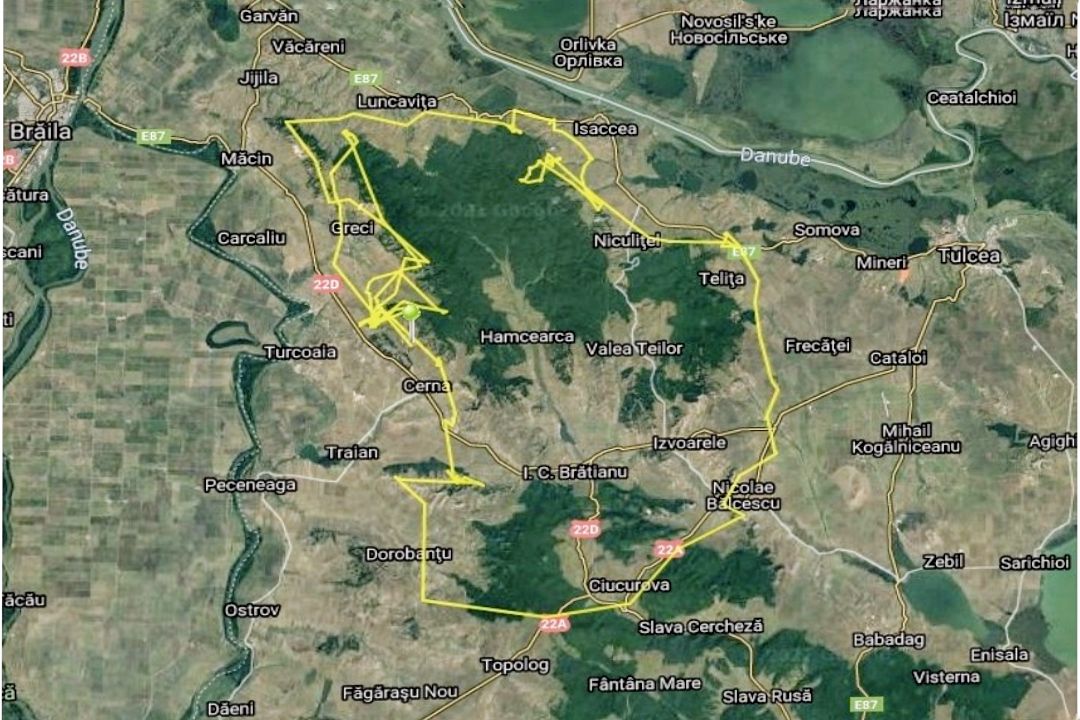
    When we were preparing to say that for Dobrogea, 2021 was the year of the flamingos, the end of the year brought us another big surprise. The Black Vulture (Aegypius monachus), an extinct species in Romania for more than half a century, has reappeared in Dobrogea. If until this year there were sporadic reports of birds in transit, now is the first time that a Black Vulture chooses to stay longer in Dobrogea.

    The Black Vulture is monitored in Dobrogea

    The Black Vulture is part of a programme to reintroduce the species to the Balkan Mountains, conducted by Green Balkans Bulgaria and partner organisations.
    Green BalkansThe bird is monitored in real time with a GPS transmitter that allows specialists to study both the behaviour and condition of the bird.
    vulturul-negru-a-revenit-in-dobrogea-dupa-100-de-ani-black-vultureThe Măcin Mountains area, part of the Măcin Mountains National Park, where the vulture chose to stay during this period, is a historic nesting area for this species. 100 years ago, the Black Vulture nested with other now extinct species: the grey eagle, the Egyptian eagle, the Eastern imperial eagle (it nests only in western Romania).
    cuib-de-vultur-negru-in-dobrogea-anul-1925
    Black Vulture’s Nest in Dobrogea, 1925. Source: Two ornithologists on the lower Danube, H.Kirke Swann, J.H. McNeille, published by Wheldon and Wesley, London, 1925.
    The main dangers to the species are related to the risk of collision with wind turbine blades, the risk of electric shock on medium voltage poles, poaching and indirect poisoning, by consuming animals killed by poisoning or poisoned baits.

    Information about the Black Vulture

    The Black Vulture is the largest species of eagle on the European continent. Its wingspan can reach 2.85 m. In Europe, the species is present in Spain, France, Greece, Bulgaria, Turkey and Russia, with an estimated number of more than 3,000 nesting pairs, the vast majority being in Spain.
    vultur-negru-in-dobrogea
    Photo: Cornel Cotorogea, The Black Vulture over the Măcin Mountains, 23.12.2021
    It is a necrophagous species, feeding mainly on dead animals, like other species of vultures. Black Vulture act as sanitizers, preventing the spread of diseases by consuming carcasses before they can develop bacteria that can spread diseases and infect other animals or even humans.

    About the Green Balkans

    Founded in 1988, Green Balkans operates as a non-profit organisation for the conservation of habitats and rare species in Bulgaria. Over the years, it has implemented over 110 projects.
    Green Balkans has been coordinating the programme to reintroduce the Black Vulture to the Balkan Mountains since 2015. In 2018, the first specimens were released, and in 2021 they had their first major success, the first nesting in the wild, after 28 years of the last known nesting in Bulgaria. On October 1, 2021, the first Black Vulture hatched in the wild flew out of its nest.
    The article was written with the support of Simeon Marin Fieldwork Coordinator, LIFE14 NAT/BG/649 Green Balkans, Bulgaria and Cornel Cotorogea, a passionate ornithologist.
  • The royal residences in Constanta and their history

    The royal residences in Constanta and their history

    For more than 100 years, the royal residences in Constanta have been a topic of interest for those passionate about famous architectures. I really admire those who have built something in their lives and have left behind important achievements, which will be long talked about. And while we are still talking about royalty and the inheritance it has left us, one of my favourite quotes from Queen Elizabeth’s writings is: “If we are indeed made in God’s image, then we must be creators.” The examples are numerous, but I will narrow the area to Dobrudja, for which King Carol I had a clear vision of the region’s economic development. If we think that a century has passed since then, we will appreciate that the his effort is even more remarkable.

    The Royal Palace in Constanta

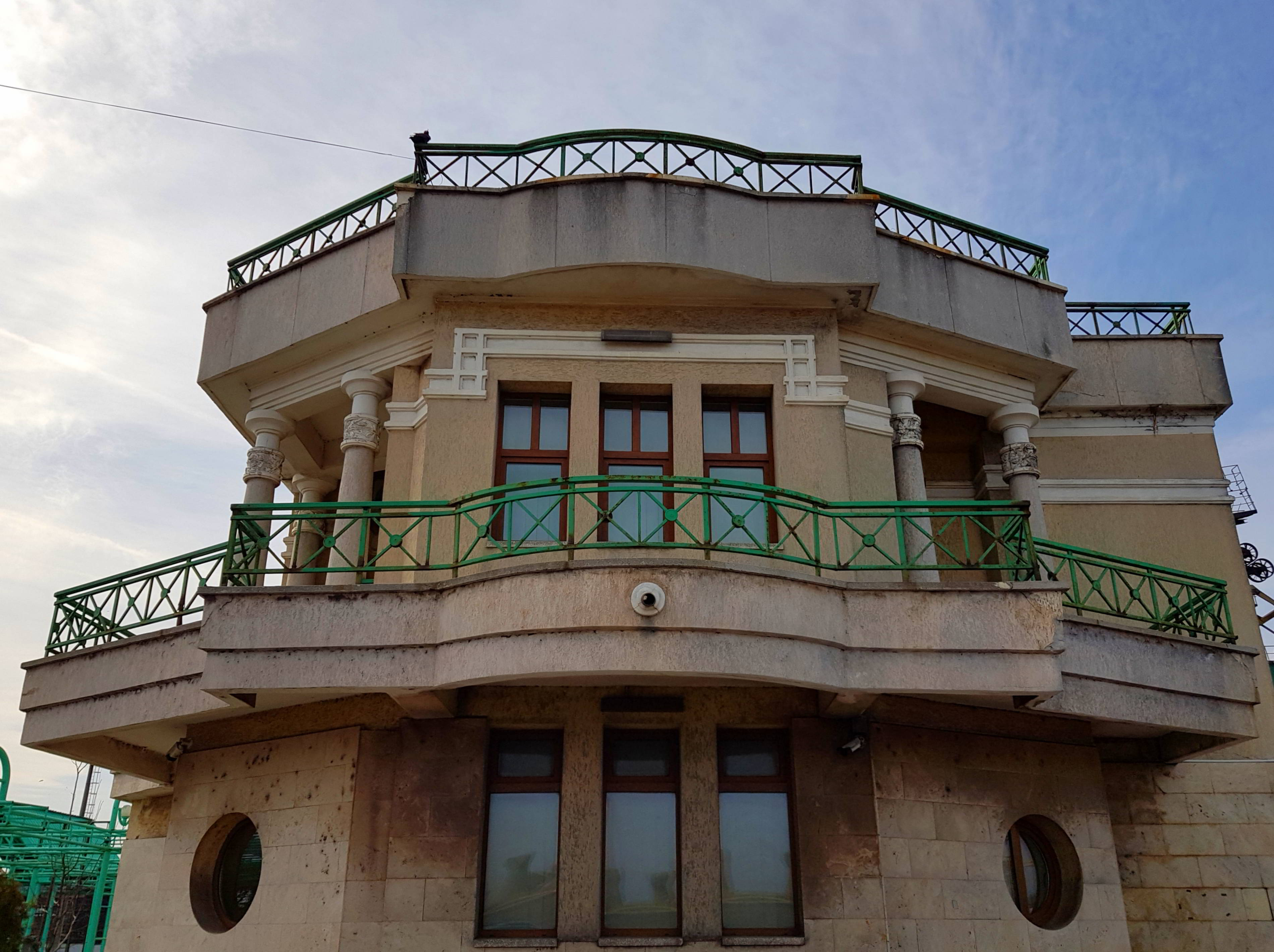
    Resedintele regale din ConstantaThe first royal residence was built in Constanta by the central authorities starting with the year 1903. The palace was raised for the royal family, who frequently came to the city by the sea from 1905 until the death of King Carol I. The royal palace was designed by architect Grigore Cerchez whose plans were modified by Daniel Renard, who made the Constanta Casino. He introduced Art-Nouveau elements: a gazebo balcony, a corner tower, a terrace with high windows and curved lines designed to attenuate the angles. The royal residence was acquired after World War I by the Ministry of Justice and for a while it was the headquarters of the Court of Appeal. Currently, the building is a historic monument of national interest and the Constanta Tribunal operates within it. However, Queen Elizabeth felt alienated in that palace, which seemed to be far from the sea, and opted for the Royal Pavilion, which she received as a present from her husband few years later.

    The Royal Pavilion, the present received by Queen Elizabeth from her husband, King Carol I

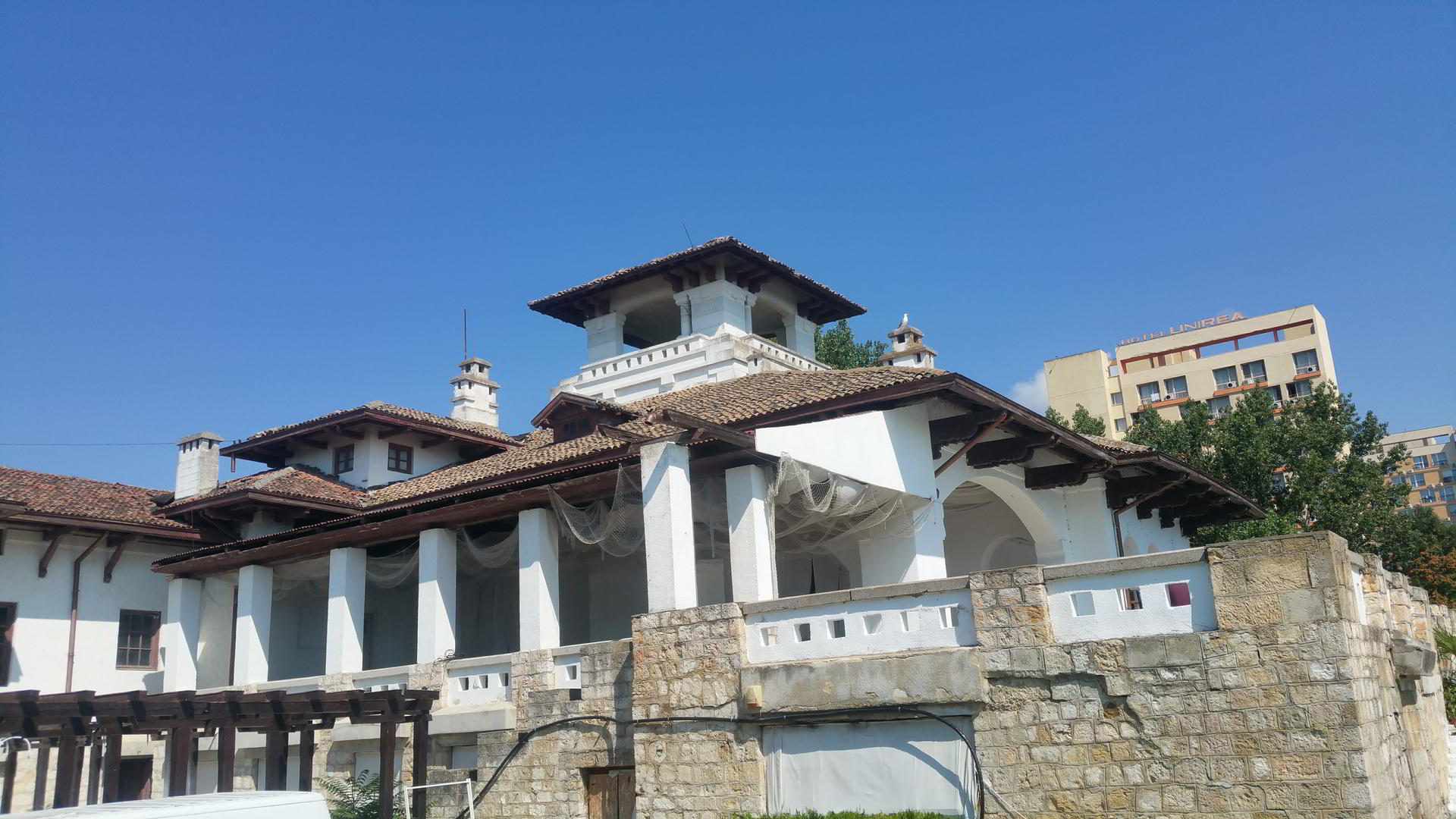
    Resedintele regale din ConstantaKing Carol I had a real country project for Dobrudja that materialised through unparalleled construction. It is about Cernavodă Bridge and Constanta Port. In addition, he planned with Anghel Saligny, who was the director of the works in Constanta Port, to surprise his wife, Queen Elisabeth. In 1910, they decided to build for her, after the works of the pier completed, a house in the shape of a boat, I have learned from Doina Păuleanu, the director of the Constanta Art Museum. In the Royal Pavilion project, a great emphasis was placed on the terrace of the dwelling, a place where the queen stayed very often, to be close to the sea she loved enormously. She also spent the nights writing on the terrace. From there, the Queen greeted the ships that went in and out of Constanta Port, waving a white handkerchief. Queen Elizabeth enjoyed only 3 years of her new summer home inaugurated in 1911 because she died shortly after her husband, Carol I. About the Queen’s strong personality, her love for the Black Sea and her above-average intelligence, you can find out more information in this article.

    The Royal Pavilion became “The Queen’s Nest”

    Cuibul Reginei ConstantaThe Royal Pavilion returned to the princely and later royal family, Ferdinand and Marie. Queen Marie often went, accompanied by her children, to the pavilion, which she modernised and called “The Queen’s Nest”. She had the idea of ​​these “nests”, she personalised her homes, including with her own ideas, drawings and decorations. Her first nest was made in Sinaia near Pelişor. Queen Marie did not have enough time to attach to this pavilion because she discovered the beach and the Castle from Mamaia.

    The Royal Villa in Mamaia, Queen Marie’s project

    Castelul Reginei MariaThe Royal Pavilion burned after a short circuit and was rebuilt, but at that time “Băile Mamaia” resort became a more interesting area. It was inaugurated in 1906, and in 1923, Queen Marie, who was riding a galloping horse on the seashore, decided to make a royal villa for her there. Although she was involved in its construction and constantly inspected the works, made plans, sketches and projects, the Queen later discovered Balchik, which she fell in love with irretrievably. She also built a royal palace with a whole series of suspended gardens, which became her favourite place for summer holidays. With the completion of the seashore construction, Queen Marie moved to Balchik in 1937 and left the property from Mamaia to Mother Queen Elena and Prince Mihai, who soon became king.

    Castel Regina Maria ConstantaThere was a very close relationship between Dobrudja and the royal family. King Carol I attempted to connect and modernise a border province of the Ottoman Empire, which joined the country in 1878. Constanta, Kiustenge back then, was just a sleepy and thrown into oblivion village. It was exploited as a port because the king thought that “Without the sea, our country has far fewer commercial, economic and even cultural and spiritual opportunities.”

  • The traditional Dobrudjan household, a rare sight nowadays

    The traditional Dobrudjan household, a rare sight nowadays

    The butter churn, the wooden vessel for water, big wooden spoons, barks, traditional napkins, the dowry chest, gossamer fabrics, and many other things long forgotten in this era of technology, were always present in the traditional Dobrudjan household. Now, they only remind us of the objects of our grandparents in the country, but about others we have read only in stories. At the Folk Art Museum in Constanta, we can still see how they used to live and cook, when life was simpler and habits were followed to the letter.

    The traditional Dobrudjan house

    The traditional dwelling in Dobrudja was organised in three distinct spaces: “the tidy room”, with the porch with the hearth and the living room where the family used to live daily, and the women used to spin and weave.

    By 1900, the houses in Dobrudja were small, they had only two rooms, consisting of a porch and a living room. Then came the traditional three-room Dobrudjan house, I have learned from Cerasela Dobrinescu, a museographer at the Folk Art Museum in Constanta, who has long studied the houses in southern Dobrudja, the traditions and customs of the local people in the area.

    Gospodarie traditionala JuriLotcaIn addition, there was always a porch that was partially or all over the front of the house. It is about the houses on the right bank of the Danube, in the villages where the Romanian traditions have been preserved unaltered and where we find the traditional Romanian Dobrudjan costume. Dobrudja is a multiethnic land, an area that was long under Ottoman rule, but there are still villages where traditions have been preserved such as Ostrov, Oltina, Satu Nou, Negureni, Băneasa, Saraiu, Seimeni, Topalu and other localities on the Danube.

    The porch

    Gospodaria dobrogeana obiecte in tindaThe porch was the room in the middle, which also had the role of a kitchen, says museograph Cerasela Dobrinescu. In the porch there were many objects which were used to prepare and carry the food the villagers took with them when they went to work in the fields. There was also the hearth on which the food was prepared, and there were many objects used to make bread. In most of the households in southern Dobrogea there are also ovens for bread in the yard, made according to the particularities of each village.
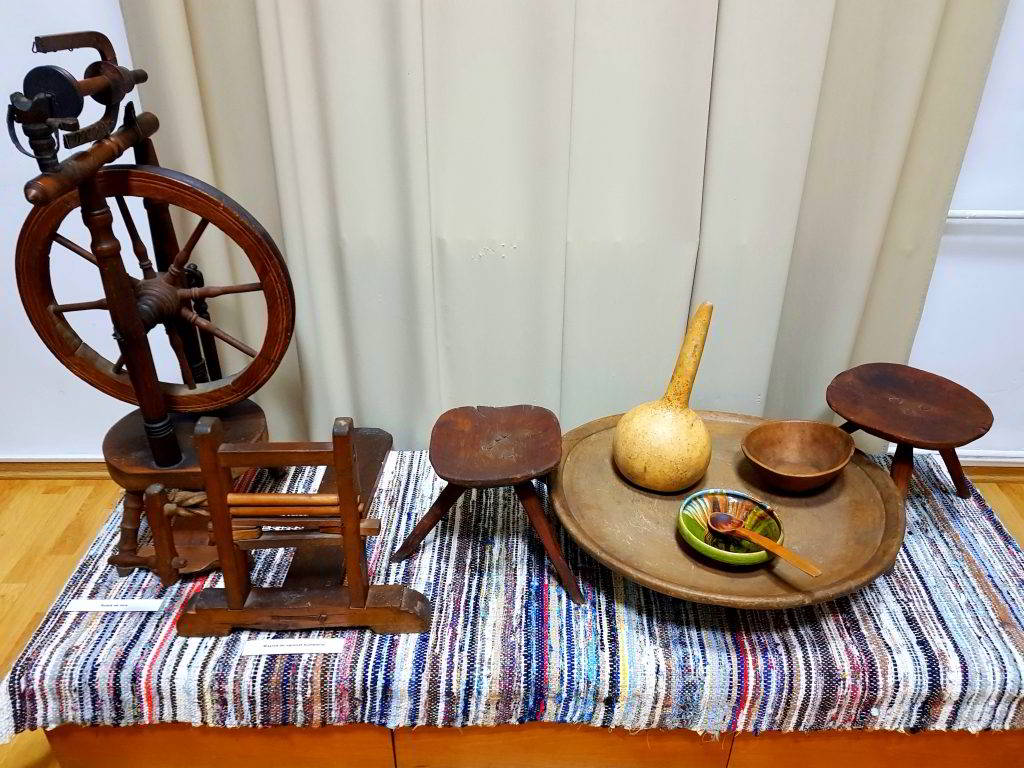
    gospodaria traditionala dobrogeanaThere was also a three-legged rustic table, smaller than the one in the tidy room. In Ostrov, it was called “Sinie” and it was of Muslim influence. Around this table family members used to gather in a well-established order. They always sat on three-legged chairs. The first to sit at the table was the head of the family, followed by the children, and the last people to eat were the girls and the lady of the house.

    The living room
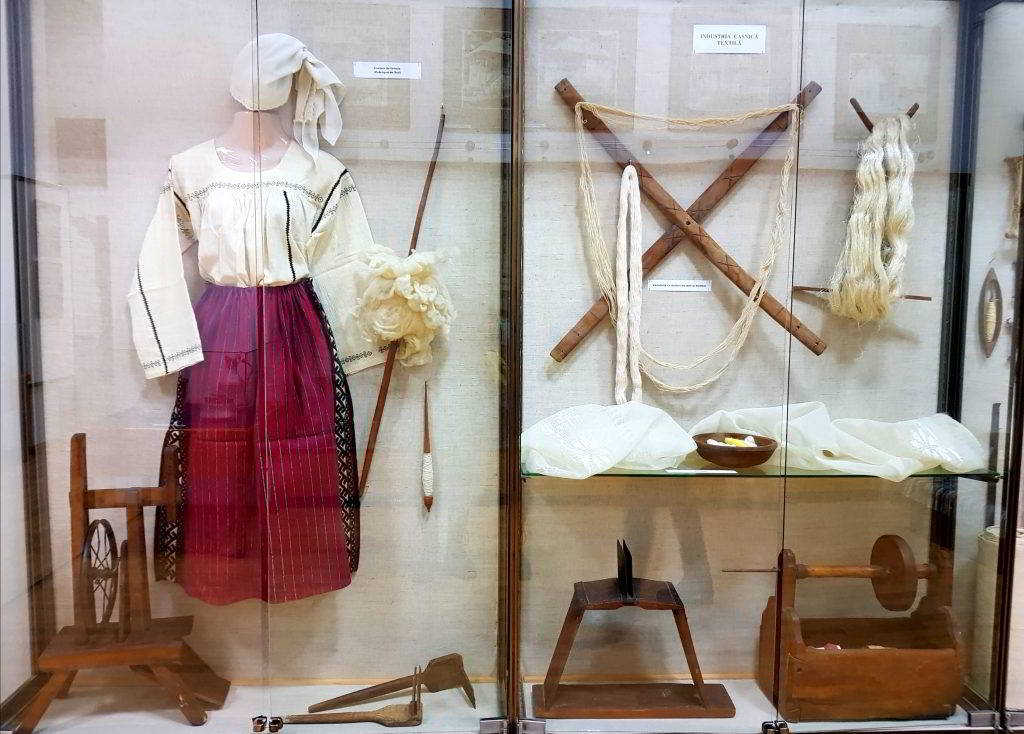
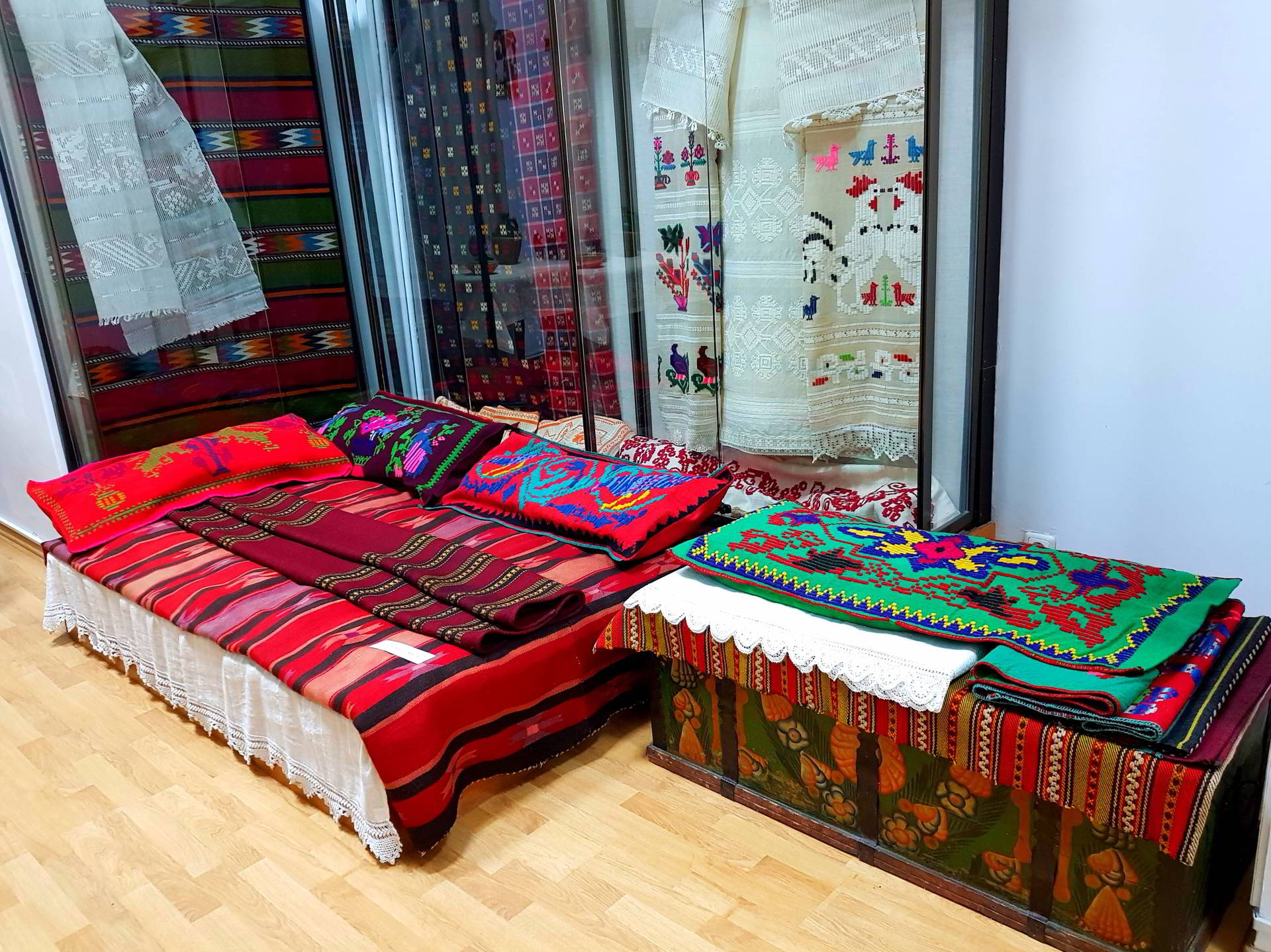
    Odaia de locuit DobrogeaThe “tidy room” or the good, beautiful room had three essential objects: the bed and the dowry chest, the table and the eastern wall on which the icon was placed, I have learned from museographer Cerasela Dobrinescu. In this room the festive clothes used to be kept, the family’s most coveted treasures were collected, including the girls’ dowry.

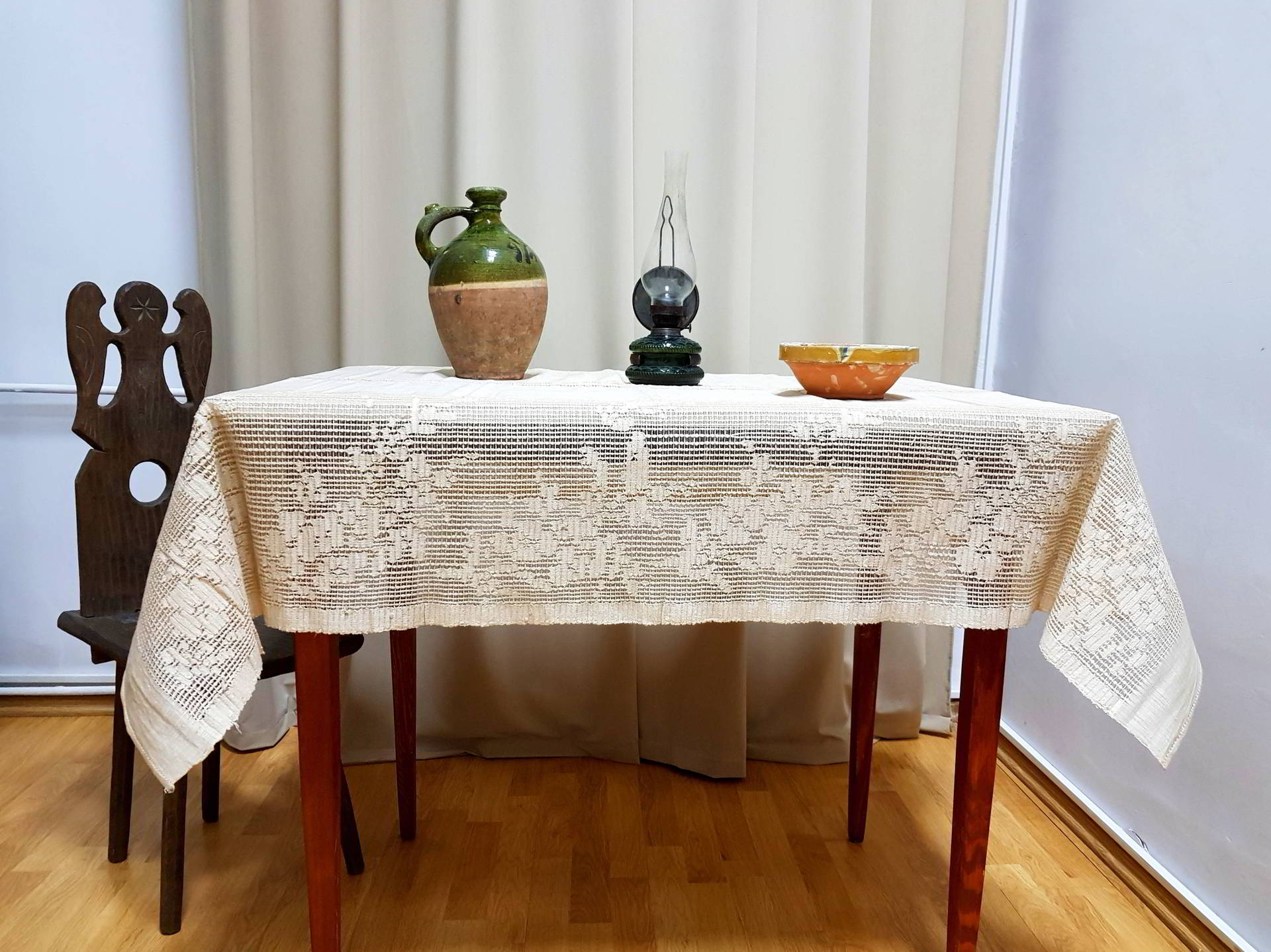
    Masa din camera curata DobrogeaCertain ceremonies took place at the festive meal in the tidy room, such as the fairy godmother. The table for the godmother was symbolically arranged in the traditional tidy room, not in the living room. The gas lamp was always present on the table, on which a handwoven gossamer tablecloth was placed, because it was the lighting object specific for that time.

    The bed in the tidy room

    In southern Dobrogea, the bed was originally made of mud, it was only later that the on the plank-beds appeared. The bed was not tall, and a mat was placed on it first. Then, in a certain order, they followed the mattress, the sheet and the blanket. The mattress was filled with straw or pure wool and was called “duşec,” a Turkish loanword. At that time many terms were borrowed from Muslims. The sheet was always beautifully ornamented on the upper side, then it was covered with a blanket, a bedding.

    Gospodaria traditionala dobrogeanaThere was always a bark on the wall beside the bed. In some villages, the gossamer towels that were given at the wedding were also displayed on that wall. The traditional Dobrudjan bark was always on the wall beside the bed, and used to cover it.

    The pillows reflected social status and were “danced” before the wedding

    On the bed there were always sheets and fabrics that were also put on the wall, and when they got worn out, they were placed on the floor. There were also many pillows lined up along the bed. These were woven with wool, and in Dobrudja they were called “căpătâie”. They were initially filled with straw and then with wool, and the multitude of pillows and objects in the tidy room used to reflect the social and economic status of the family. Many pillows were woven to be given as dowry to the girls.
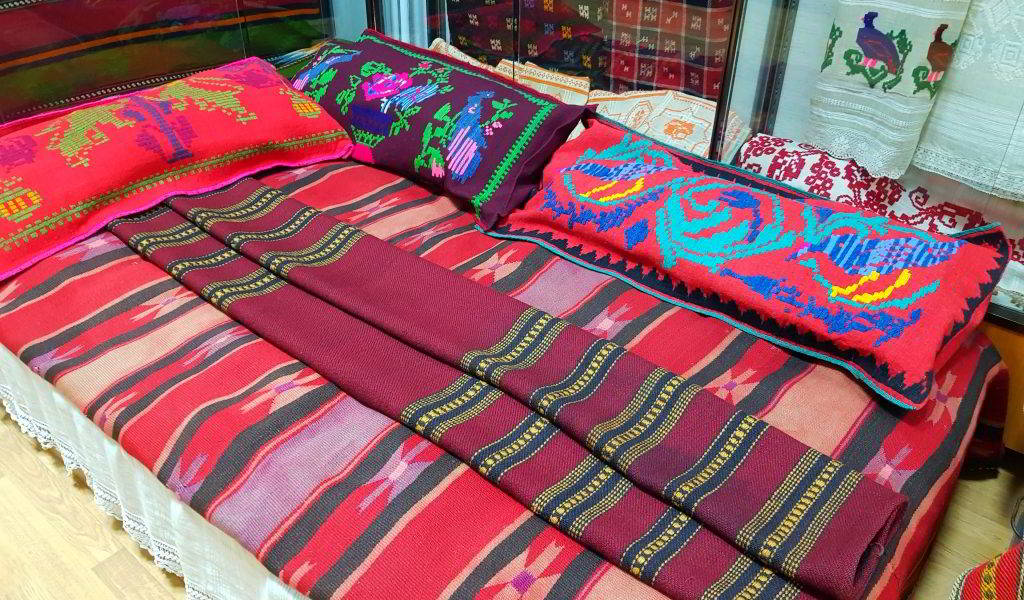
    patul traditional dobrogeanThere was a certain day in which the pillows were “danced”. They were taken out to a round dance, in which the dowry of the girl who was about to marry that week was in fact shown. The pillows also reflected the girl’s skill, because many young ladies weaved, this work being exclusively feminine. Girls started to learn these techniques from a young age.

    The dowry chest

    There was always, at the head of the bed, the mother’s dowry chest that she had brought along after the wedding or the dowry chest of the girl who was about to get married. It was an item of furniture always present in Dobrudjan houses. In it, the most coveted treasures of the family, the festive clothes, the dowry of the girls to get married were usually kept.

    Lada de zestre DobrogeaAfter 1989, from the desire to be modern and connected to the values ​​of Western states, many have given up the folk costume, customs and traditions, have sold or thrown away their old things, and now they regret it. Not even the well-known tasty bread prepared by our grandmothers and baked on the hearth is not made too often in rural areas. Now, villagers prefer to buy it sliced ​​right from the shop, even if the taste of the homemade one is much better, and the smell of warm bread, freshly taken out from the oven, freshens up the whole house with a nice aroma, and allures us to go to the kitchen and break a piece on which to spread butter and savour it as a delicacy.

  • The Constanta Casino and its fabulous history

    The Constanta Casino and its fabulous history

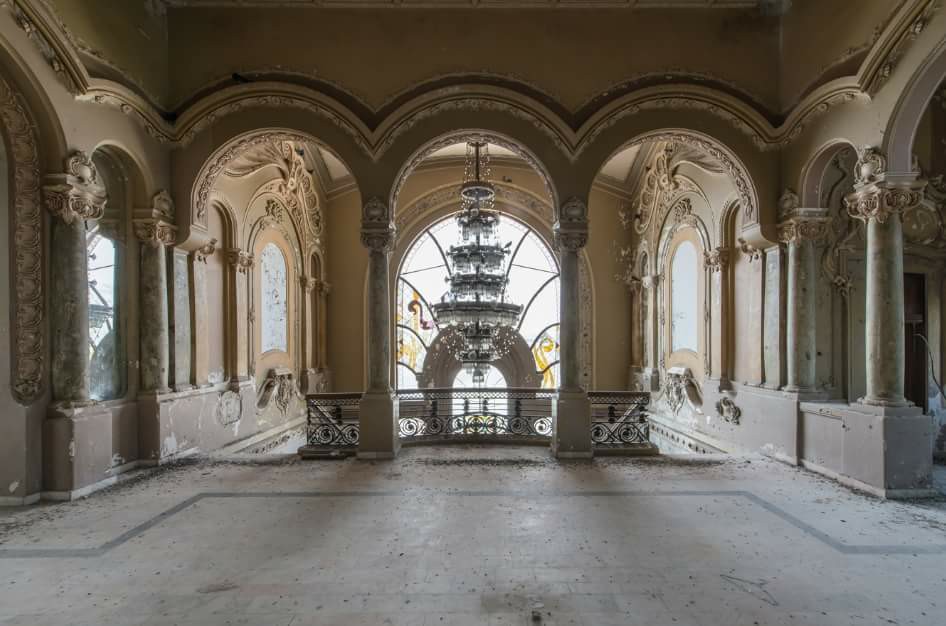
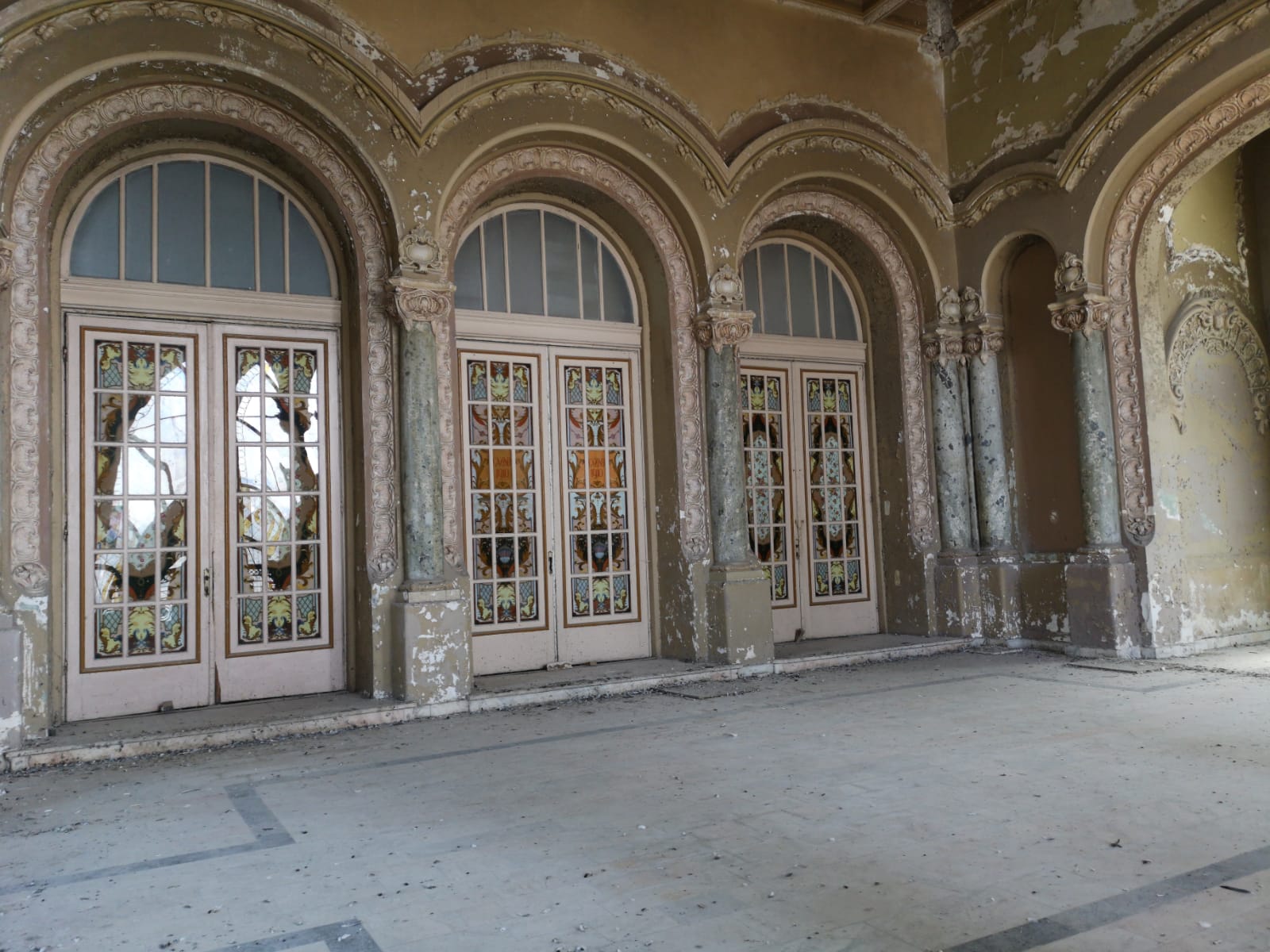
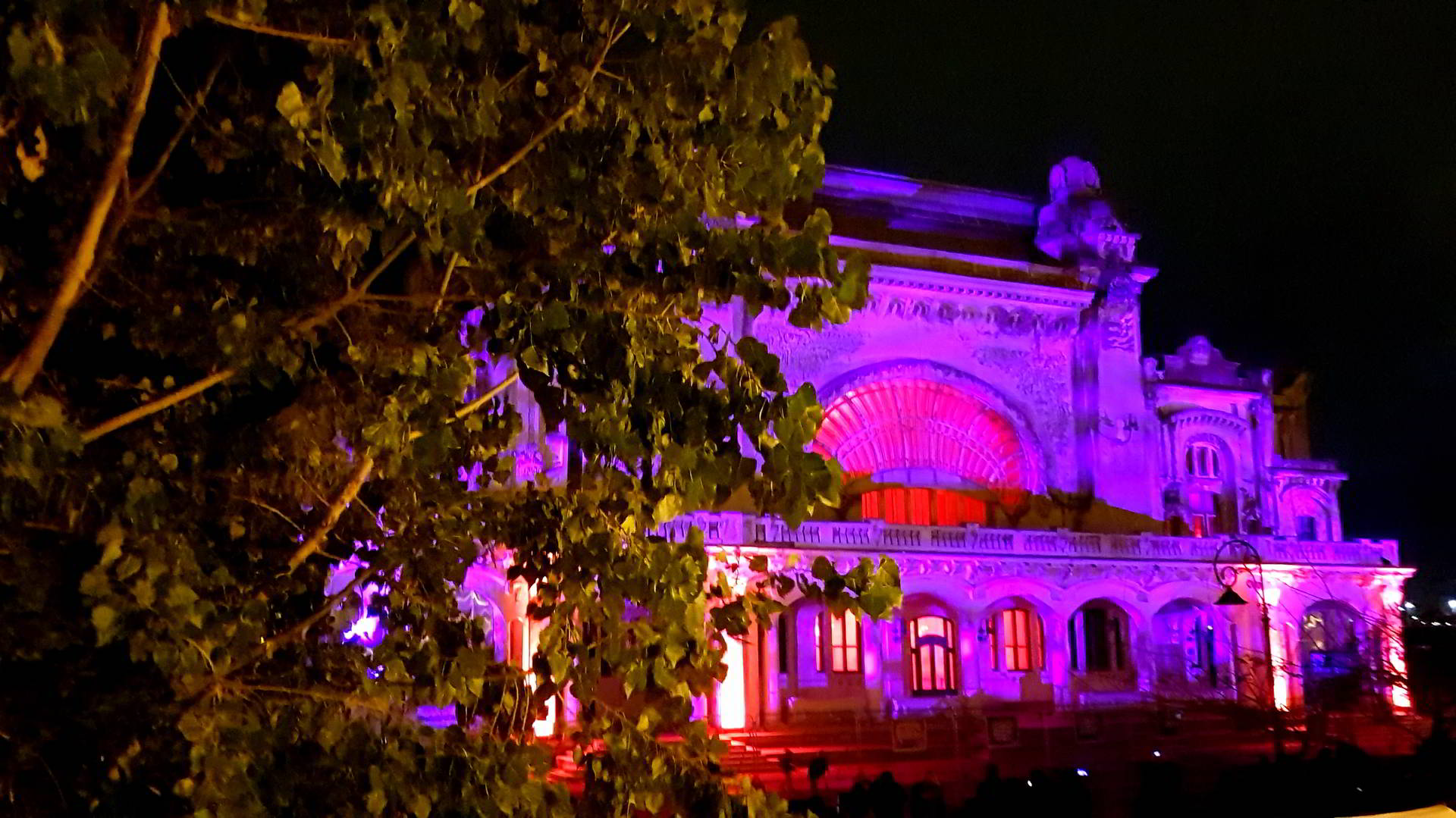
    All those who love the architecture of the Constanta Casino have been waiting for ages for the derelict symbolic building of the city to be rehabilitated. One can shoot a film out of the dramas of the Constanta Casino’s life that could beat the box office record. It has known glory and decay for many times, it knows what it is like to be wealthy, but also dirt poor. Its problems have started ever since it was in the design phase and are still going on. It is a unique building in the world and could be a goldmine for authorities.

    During World War I, the Casino was destroyed by a bomb and was rehabilitated despite the economic problems

    Cazino Constanta

    I was saying that the history of the Casino repeats itself. During World War I, the most beautiful building of the city by the sea was a field hospital. The Casino was destroyed after a bomb had fallen on it. It was hardly rebuilt because it was thought that repairing the Casino would be a frivolous thing in the situation in which hospitals, schools and other buildings had to be repaired with public funds. Even now the economic situation is not too good, but the rehabilitation of the building is a priority, since it is a historic monument with a unique architecture in the world.

    The Casino, the only building in the world with three foundations

    Casino Constanta RomaniaAs early as the design phase, the Casino has faced problems. It is the only building in the world that has three foundations, so it cannot be eclipsed by any other building from this point of view. It was raised on a headland drawn from the sea. The first foundation was designed by architect Daniel Renard. Then, Daniel Renard left with the liberals from the city’s leadership, and the conservatives came. Mayor Ion Bănescu chose architect Petre Antonescu to continue the work. He had another vision, another national style project, and made a second set of foundations to put his work into practice. Petre Antonescu is the author of the Sinaia Casino, which is also very beautiful. The mandate was over, the elections came, the conservatives left, and the liberals came back in charge. Daniel Renard was called upon to continue his work, and when he saw that his project had been changed, he said: “My foundations have been damaged!” So, a third row of foundations were made. This is one of the things that individualizes the Casino.

    The Constanta Casino is built on a patch of land drawn from the sea

    Casino Constanta RomaniaThe Casino is original and unique in the world because it is built on a patch of land drawn from the sea before 1910. Thus, no other building can compete, from this point of view, with the gem of Constanta. Prior to the start of the works, the city used to end high up, where there is Queen Elizabeth Boulevard now, and where the boardwalk and the Casino are currently, it was the sea. The promenade on the seashore where we walk fondly, inhabitants and tourists alike, was a grand project designed by the prefect of those times, Scarlat Vârnav. Anghel Saligny was the one who had the courage to deliver it since 1903. Back then, Saligny coordinated the construction works of the Port of Constanta. In order to make the boardwalk outside the Casino, both his genius and the experience of the port engineers, as well as the equipment that had been brought from the port on this occasion were necessary.

    The Casino was not an appreciated building, and architect Renard was permanently offended

    Constanta Casino RomaniaArchitect Daniel Renard was given many invectives. The Casino was made either profiterole, or a hearse. An entire denigration campaign was carried out. It was a building too modern for the people of those times. It was 1903, and Art Nouveau appeared in Paris at the end of the nineteenth century. This project synchronized with what was the newest in Europe at that time. This novelty came in a city where there were elements that felt we should get back to our national architecture and not to things related to this modernist language.

    Even after the opening of the Casino, the building was accompanied by tons of invectives. Certainly, the situation would have been much easier for architect Daniel Renard, had he known that a century later, everyone would appreciate that his work was the most beautiful building of Constanta.

    The Casino was the place where the high society went to balls, gambling or plays

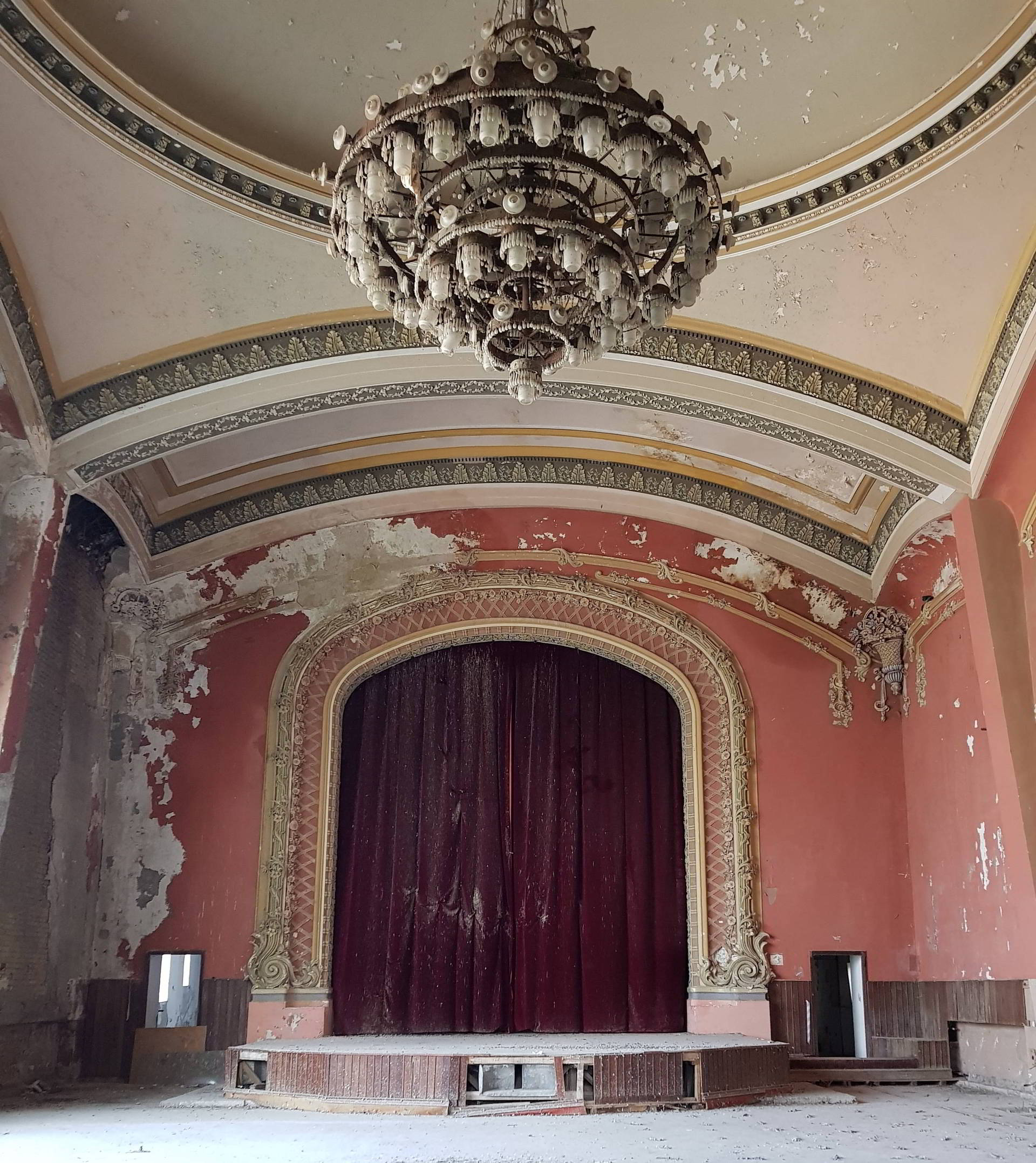
    Casino Constanta RomaniaAt the beginning of the last century, balls were the main means of entertainment for inhabitants and tourists. At the Casino, people used to dance, socialize, meet or plan getting married, people from different social categories got to know each other. Theatre plays were also performed there. There was a large hall for theatre plays, despite the poor acoustics everyone was complaining about. In support of Daniel Renard came Victor Ştefănescu, an important architect whose father founded the Bucharest Opera and knew exactly what to do. However, acoustics could not be bettered, because it was, however, a casino.

    The Casino used to have multiple functions and at various times

    It could also be a meeting place for inhabitants and tourists, and a place for shows, balls or conferences, but at the same time it kept its function as a casino, having its halls intended for gambling.

    Cazino Constanta luminat arhitecturalOver the years, in the Constanta Casino, there were elite restaurants, confectioneries and bars. An example of this is given in Cezar Petrescu’s novel “Darkness”, which starts with a table that was taken at the Constanta Casino, where the waiters came from the Athénée Palace. It was a place where the reputable names of the age flaunted themselves, clothes and jewels were displayed, a space of mundanity as well as bohemian life. These two coordinates should the Casino follow again and it would perform its functions on behalf of which it was designed and raised on the seashore.

    Currently, the Casino is in advanced deterioration state. It is going to be rehabilitated and the authorities will decide what functions the edifice will have, and whether some of them are to be profitable.

  • Carol I, the Mosque from Constanta built at the request of the king

    Carol I, the Mosque from Constanta built at the request of the king

    I am from Constanța, I’ve past the Mosque Carol I hundreds of times, but I never knew I am allowed to enter and visit. I have climbed the minaret only last year, but I always thought that the inside of the building is reserved only for the men of Turkish and Tatar origin. I’ve heard many times, from different persons, that the women are not allowed to enter and I’ve never insisted. I thought the Muslim women are not allowed to enter either in the Islamic worship place. Wrong again, the ladies can recoil there without any problem, but during the service they must retreat to the balcony. The reasons are obvious, in the Mosque, praying implies bending staying on the knees, bending over and touching the floor with the forehead and in such a position women would represent a temptation for the men praying.

    The Mosque built at the request of the king Carol I

    Moscheea Carol IThe story of this Islamic worship place from Constanța is 105 years old. The Mosque Carol I was built at the request of the king who’s name it bears, as a tribute to the Muslim Community from Constanța, very numerous at that time. More than that, at the inauguration of the worship place, in 1903, the Royal family also took part together with the representatives of the Islamic cult from Romania. Practically, this is the only Mosque that bears a non-Muslim name. The believers call it “Kral camisi” or “the Mosque of the King”.

    A beautiful building, with an imposing dome

    Moscheea Carol IThe architecture of the worship place is spectacular. The praying room has a height of 14 meters and the dome a height of 25 meters and is beautifully decorated. This place is part of the historical-cultural and museum patrimony of Romania and is in desperate need to be rehabilitated. The interior is extremely simple arranged, by comparison with the ones of the Christian churches and it comprises only inscriptions from the Quran. The Moor style building, the dome, the vaults and the minaret are entirely made of concrete, this being the first building for which this material was used.

    A big rug for a little building

    Moscheea Carol II knew that inside the Carol I there is a very old and beautiful rug. When I entered, I saw that the rug is mostly rolled than displayed and I asked why is it staying this way. I was told that the tower of the altar, by the way it is placed, doesn’t allow the total display of the rug, so it can always be found rolled. The rug has actual historical value. It was given by the sultan Abdul Hamid (1876-1909) to the Mosque situated on the Ada-Kaleh island, before this Mosque had been covered by waters as a result of building the Hydropower from the Iron Gates. The dimension of the rug is 126 meters and it weights 490 kilos. It was realized by the Craft Center Hereke from Turkey.

    The minaret, a touristic attraction

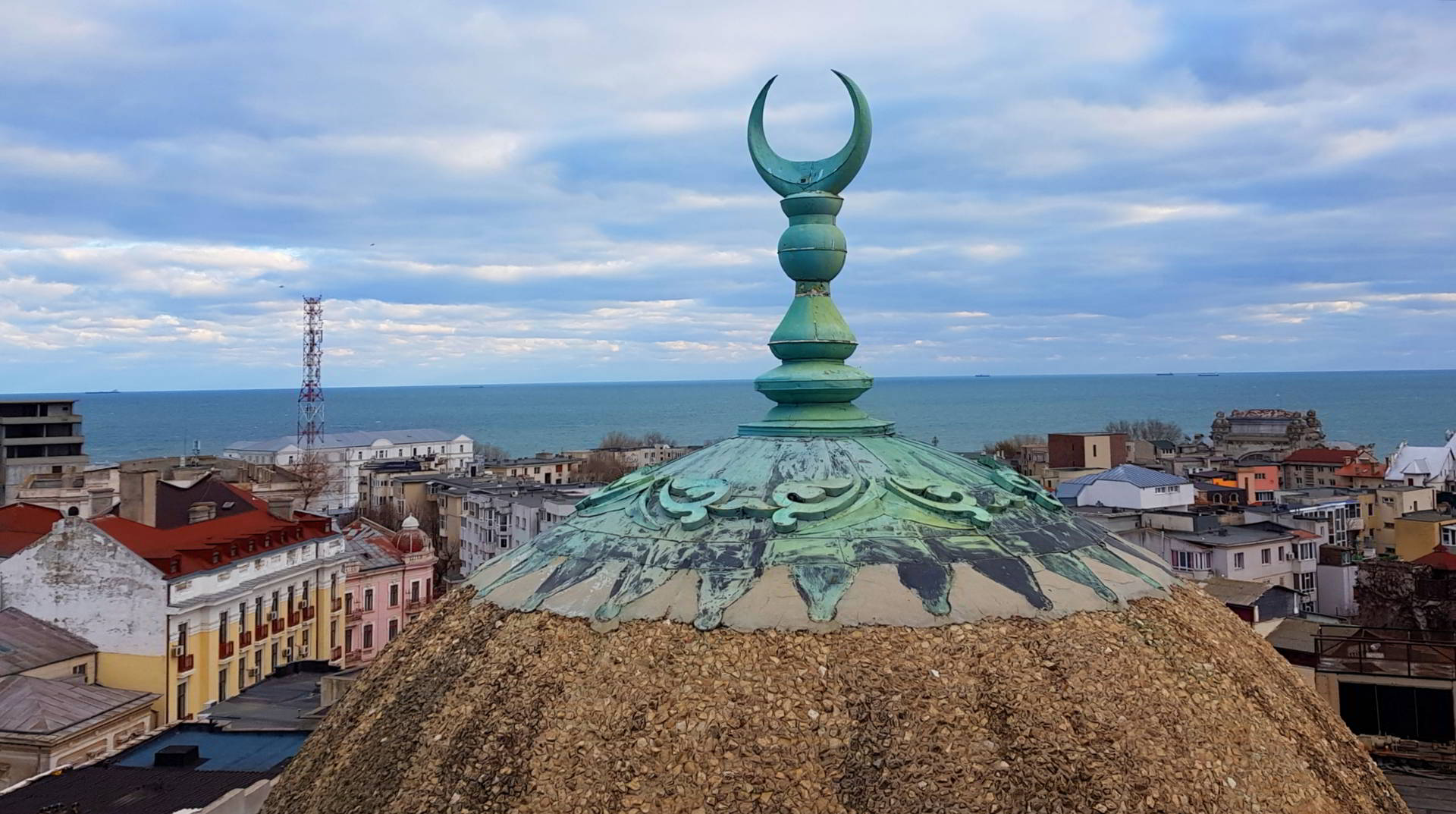
    Minaret Moscheea Carol IThere are not few tourists that have the guts to climb the 140 narrow steps, spirally arranged, which lead to the minaret. While taking a resting brake, the visitors can notice that the walls of the tower are scorched and in need of rehabilitation. From the circular balcony, from where the muezzin calls the Muslims to pray, the ones that managed to climb all the stairs can see the sea and have a wider perspective over the old center of Constanța. Also, the wonderful dome, on top of which resides, proud, the half-moon, the symbol of Islam, can be observed closer.

    The prophet Muhammed, the religion of peace and love

    Moscheea Carol II’ve said it many times and I still support that we should never see as the same the Muslims with the religious fanatics which support religious fundamentalism and the globalization of terror, with the ones that commit numerous attacks all over the world. The Quran, the sacred book of the Muslims talks about a religion of peace. At the entrance of the Carol I Mosque, people can read the Farewell Sermon of the prophet Muhammed, which preaches peace, love, justice and understanding.

    O people, you have a right over your wives and they have a right over you. Treat women well, for they you have taken them only as a trust from God, and you have made the enjoyment of their persons lawful by the word of God, so understand and listen to my words, O people.”

    All people come from Adam and Eve, an Arab is not superior to a non-Arab and a non-Arab is not superior to an Arab, just as no white person is superior to a black one and no black person is superior to a white one, except in godliness and in doing good deeds. All Muslims are brothers. Don’t be unjust with yourselves!”

    “Do not offend and do not hurt anybody, so that nobody would offend or hurt you. Remember that you will truly return to the face of God you will be asked about your deeds.”

    If you ever find yourselves in the Peninsular area of Constanța, don’t forget to visit this Islamic worship place – The Carol I Mosque. It is a very beautiful building, a historical one. More over, in an area of a couple of hundred meters there are other 7 churches for different cults, reason for which the area has been named “the Confessional Octagon”.