The tourist season never ends in Dobrogea. In fact, I can say that there is no extraseason in this picturesque region. Summer is gone, but it is a real pleasure to spend your vacation or minivacation in Dobrogea in autumn or winter as well. It is the period when we get rid of the heat, the mosquitoes disappear and do not bother us anymore, the traffic is much lighter, and the trees and reeds get copper colours and reflect beautifully in the clear waters. The landscapes are spectacular, and the activities in the cold season are unique and very interesting for those who have not tested them before. Lunca Fishermen’s House Pension is the perfect place for tourists who need silence to hear their thoughts and want to have quick access by car. You will find it in of Lunca, in the Razim-Sinoe lagoonary complex and near the tourist attractions in Tulcea county.
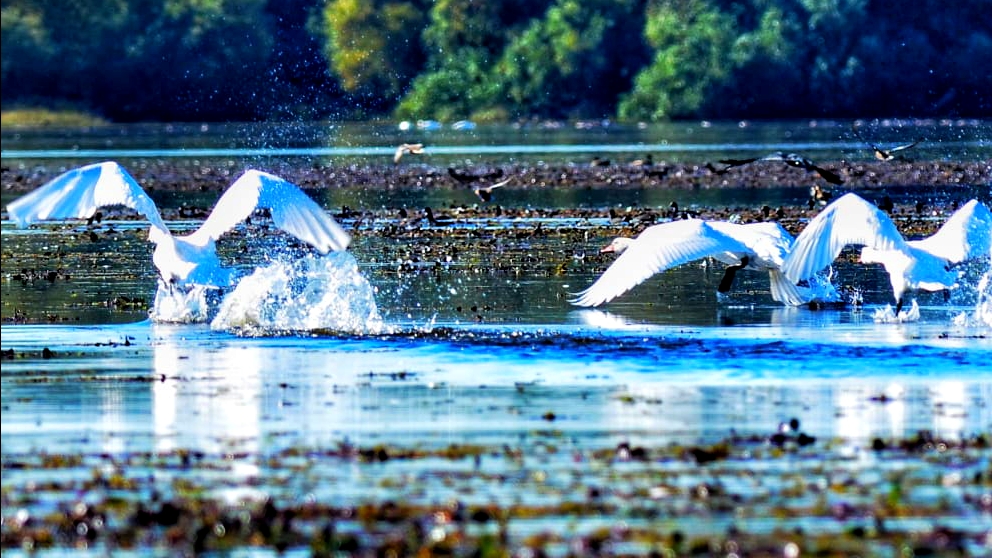
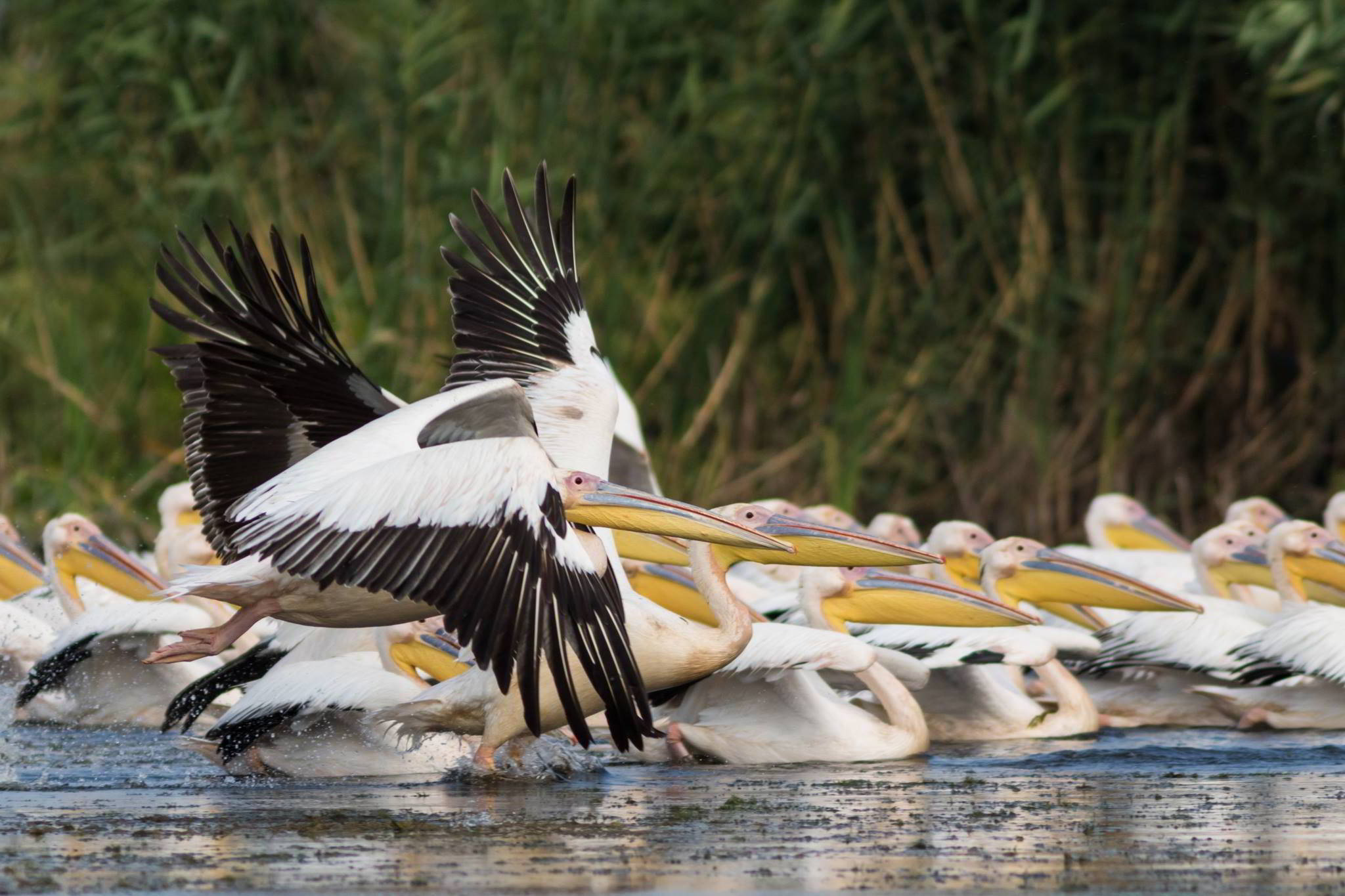
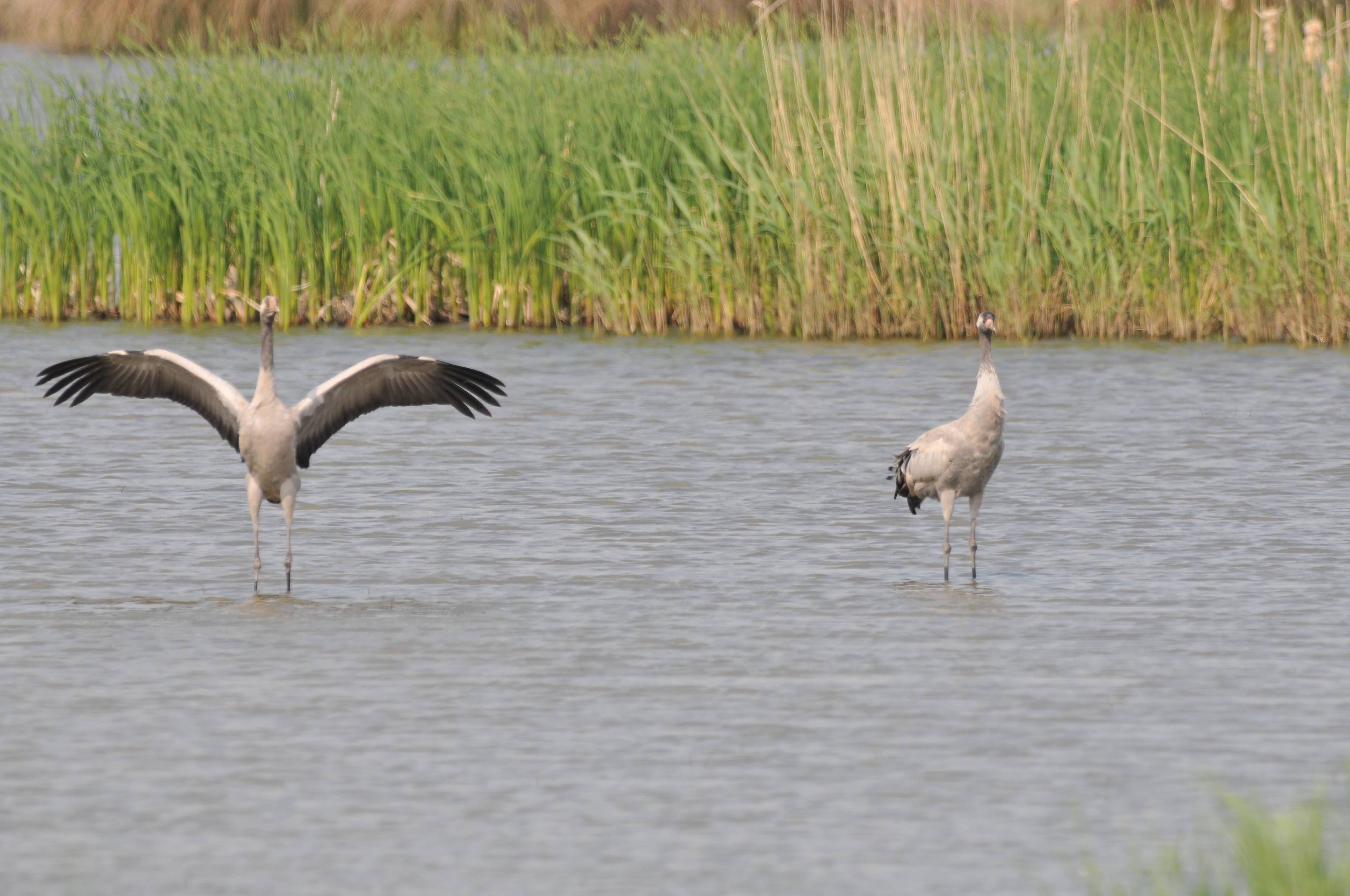
 It is a quiet place, preferred both by visitors who want to relax in nature, take a boat or kayak and watch the birds and the landscapes, as well as by fishing enthusiasts.
Tourists go to Lunca Fishermen’s House for tranquility and nature walks
Situated between waters, in a fairytale setting, Lunca Fishermen’s House is a true oasis of tranquility and relaxation. The pension is open all year round, and most tourists opt for this location including in autumn and even in winter, either due to the recommendations made by other visitors, or because they can reach the pension by car. Thus, they no longer have to leave their car in Tulcea and leave in the heart of the Delta, declared for ‘Discover Dobrogea’ Mihaela Feodorov, the manager of Lunca Fishermen’s House Pension.
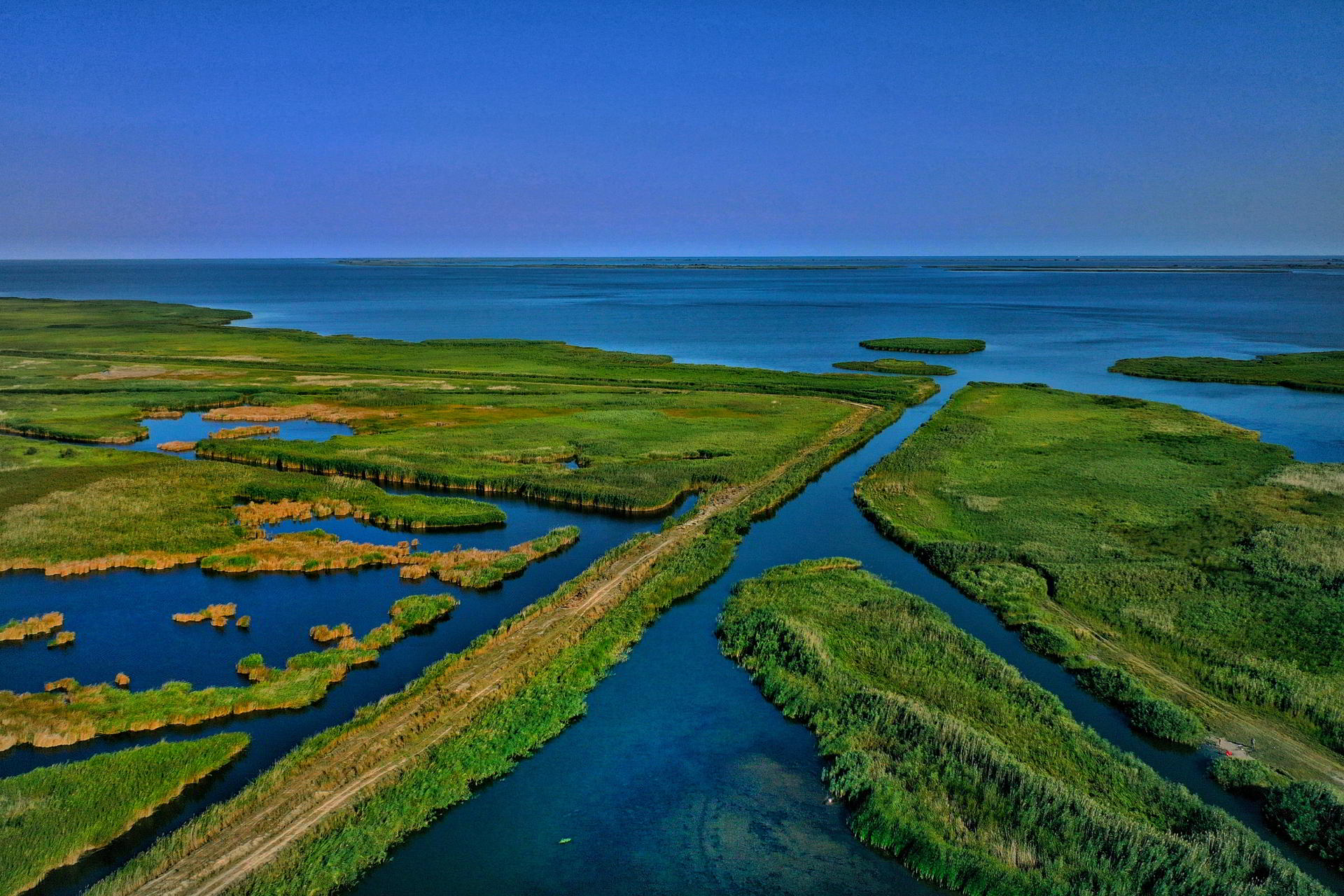 In addition, from the pension that is located on the channels adjacent to Golovița Lake, you can reach anywhere in the Delta. ”Boat ride enthusiasts can come out on Dranov and then go to Sfantu Gheorghe, Sulina or anywhere else. To Sfantu Gheorghe the boat trip takes about 3 and a half hours.
 We do not recommend such a long route, especially if there are children in the boat, but tourists can go boating across the Razim, Golovița and Caraburum lakes, because the routes are light and are done in 2-3 hours”, said Mihaela Feodorov, the manager of Lunca Fishermen’s House Pension.
Either romantic or active, all tourists feel good at Lunca Fishermen’s House
 Regardless of whether we go on a team building event or with our family, not even in autumn do we get bored in Lunca Fishermen’s House. Apart from the fact that we are totally mesmerised by the gorgeous scenery around the pension, the activities we can do are numerous.
 All leisure facilities, namely rowing boats, kayaks and bicycles are included in the accommodation price, which is 250 lei per night. Romantic people can create a fairytale holiday for themselves, with boat rides on the lake and candlelight dinner, while active visitors can compete in canoe or bicycle competitions.
 Also, tourists can participate in wine tastings, associated with different dishes, which can be organised by hosts and winery representatives. This location is not to be missed during winter either, because the activities are quite unique.
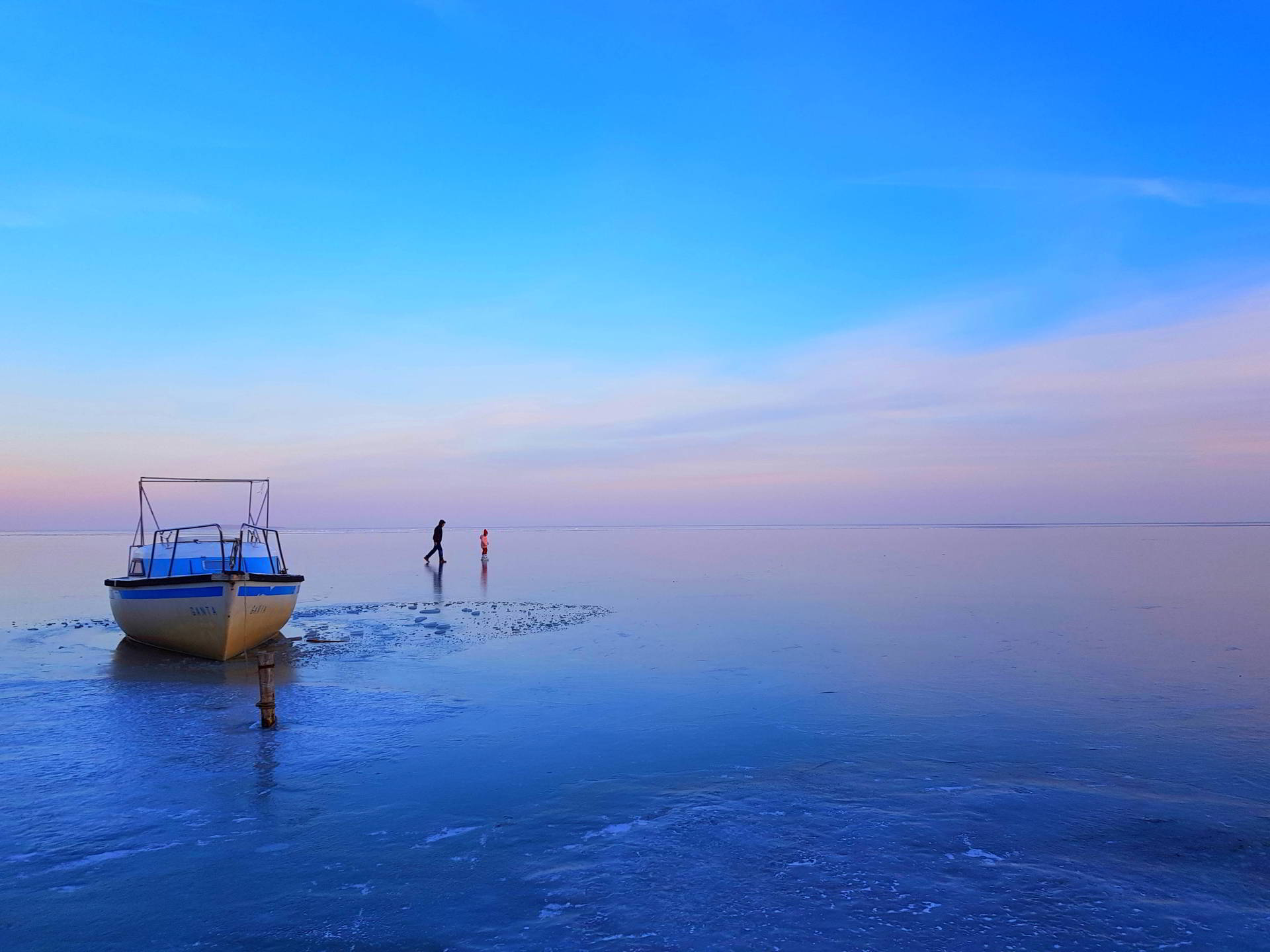 Tourists can ice skate on the frozen lake, so the limitations offered by an ice rink located in the city disappear, and the sensation is extraordinary. You can also go fishing in the hole in winter, visit the fortresses or, if you are lucky enough to catch snowy weather, you can sledge on the hills, then warm up at the pension with some boiled wine and small talk.
Tourist attractions near Lunca Fishermen’s House
 If you arrive at Lunca Fishermen’s House, it would be a pity not to visit the nearby tourist attractions as the area is loaded with history. Do not miss a walk to Jurilovca, located about 10 km from the accommodation place. Go to the ancient city Orgame founded by the Greeks, between 670-660 BC, now the Orgame-Argamum Fortress, the first historically attested settlement in Romania. From there, take a few steps to Capul Dolosman, the highest rocky cliff on the Romanian coast. It is a special area, because the perspective it offers is sensational. On a ray 180 degrees, the landscape has water, lagoon and sea, and the other 180 degrees are reserved for the Dobrogean hills. It is a delightful view and the photographs will be extremely successful. From Jurilovca, if you go 25 km further, you reach Enisala, another place with beautiful stories.
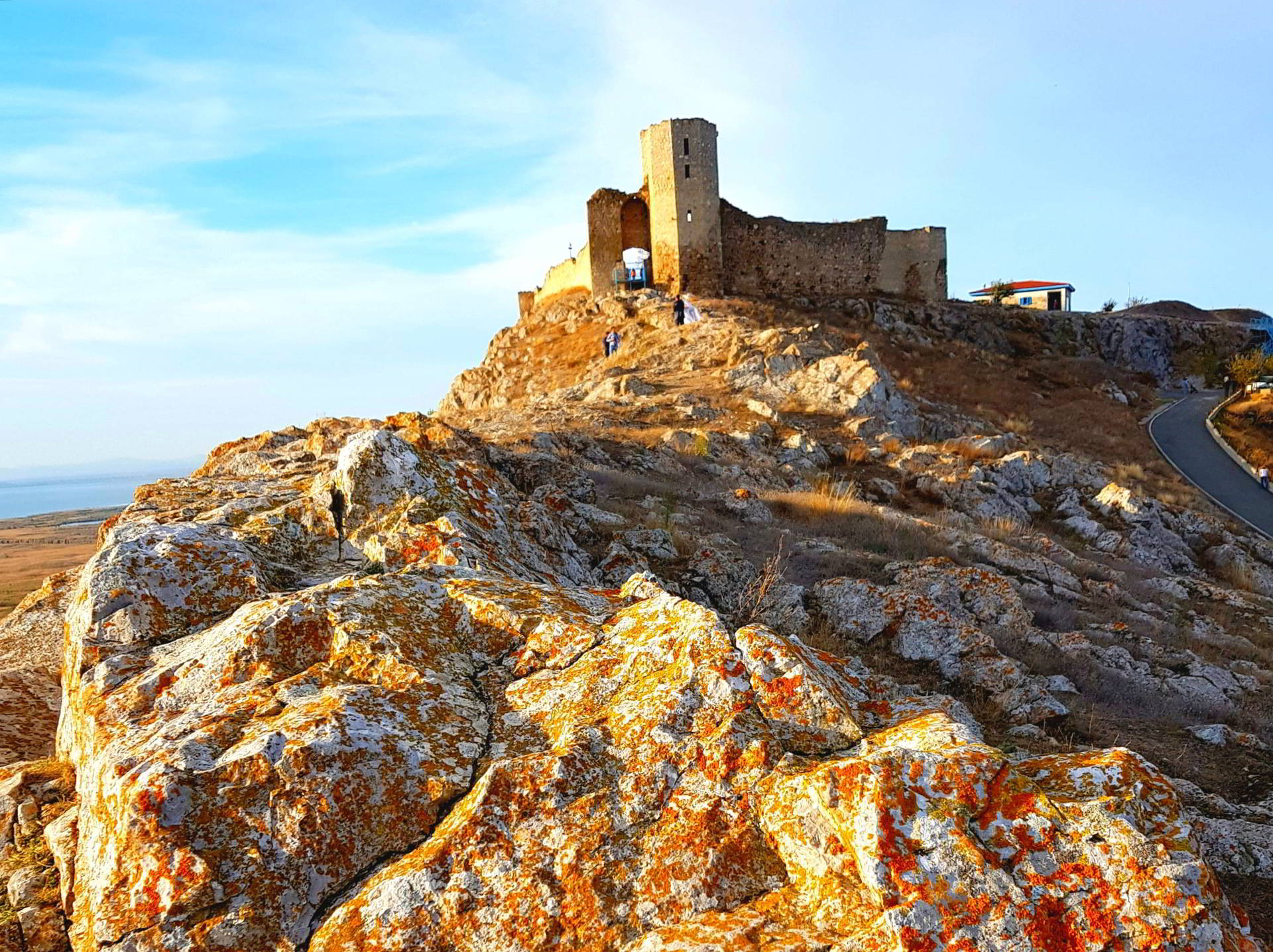 Make an effort and climb up to Yeni-Sale (New Village) medieval fortress or Enisala, as we all know it. Located on a limestone hill, the fortress, which represents a monument of military architecture, dominates the area ofthe Razim and Babadag lakes. The fortification from Enisala was part of the defensive system of the Romanian Country between 1397-1416, during the reign of Mircea cel Batran. After Dobrogea was conquered by the Turks, an Ottoman military garrison was installed in the fortress, but later, because it no longer corresponded with the strategic and economic interests of the Turks, it was abandoned. If you want to enjoy a special landscape when you return to Lunca Fishermen’s House, take a detour and go to Babadag Forest. Also from Lunca Fishermen’s House, you can also go to the triangle of the monasteries, located 70 km from the village of Lunca. Saon, Cocoș and Celic Dere places of worship have an extraordinary history and are an important attraction for the tourists arriving in Tulcea County.
Traditional Danube Delta cuisine at Lunca Fishermen’s House
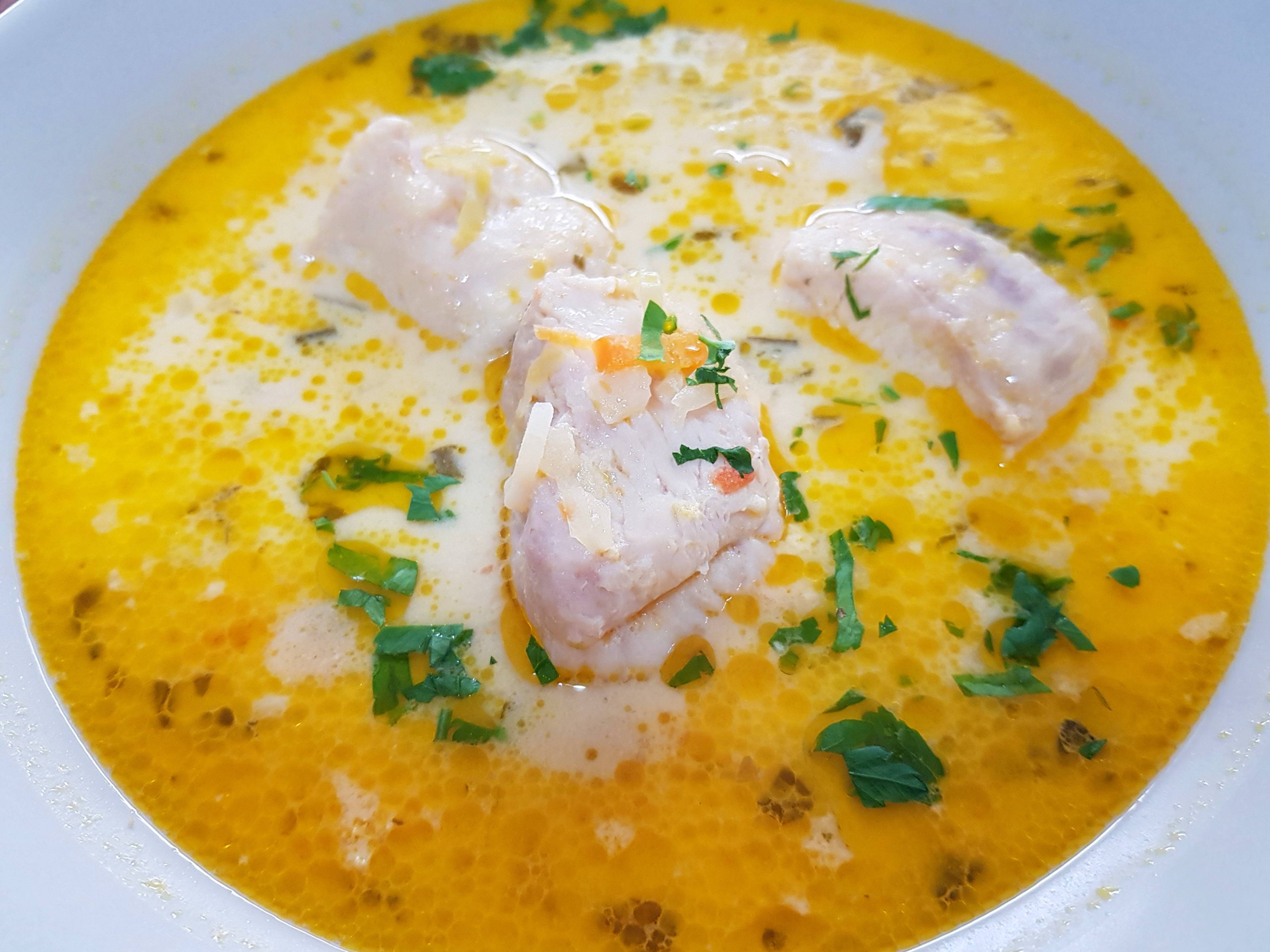 If you plan to try a fish diet at Lunca, it will defintely work out for you. At the Fisherman’s House restaurant there are so many delicious fresh fish dishes that no picky person leaves unhappy. ”There is no tourist who does not ask for ”borș” – traditional fish soup, but, lately, many have learned about ”storceag” soup and request this dish”, stated for ”Discover Dobrogea”, Mihaela Feodorov, the manager of the Fishermen’s House Pension in Lunca. From her I also learned that fish eggs are always in the menu. Another dish adored by visitors of the restaurant in Lunca is the catfish stew. Mihaela told us how to prepare this dish which is favoured by tourists. Theoretically, it is not difficult to make, but it certainly requires experience. The catfish fillet is fried the pan, boiled in a little white wine, add some vegetables and spices are added, then it is serves with a glass of wine from Dobrogea.
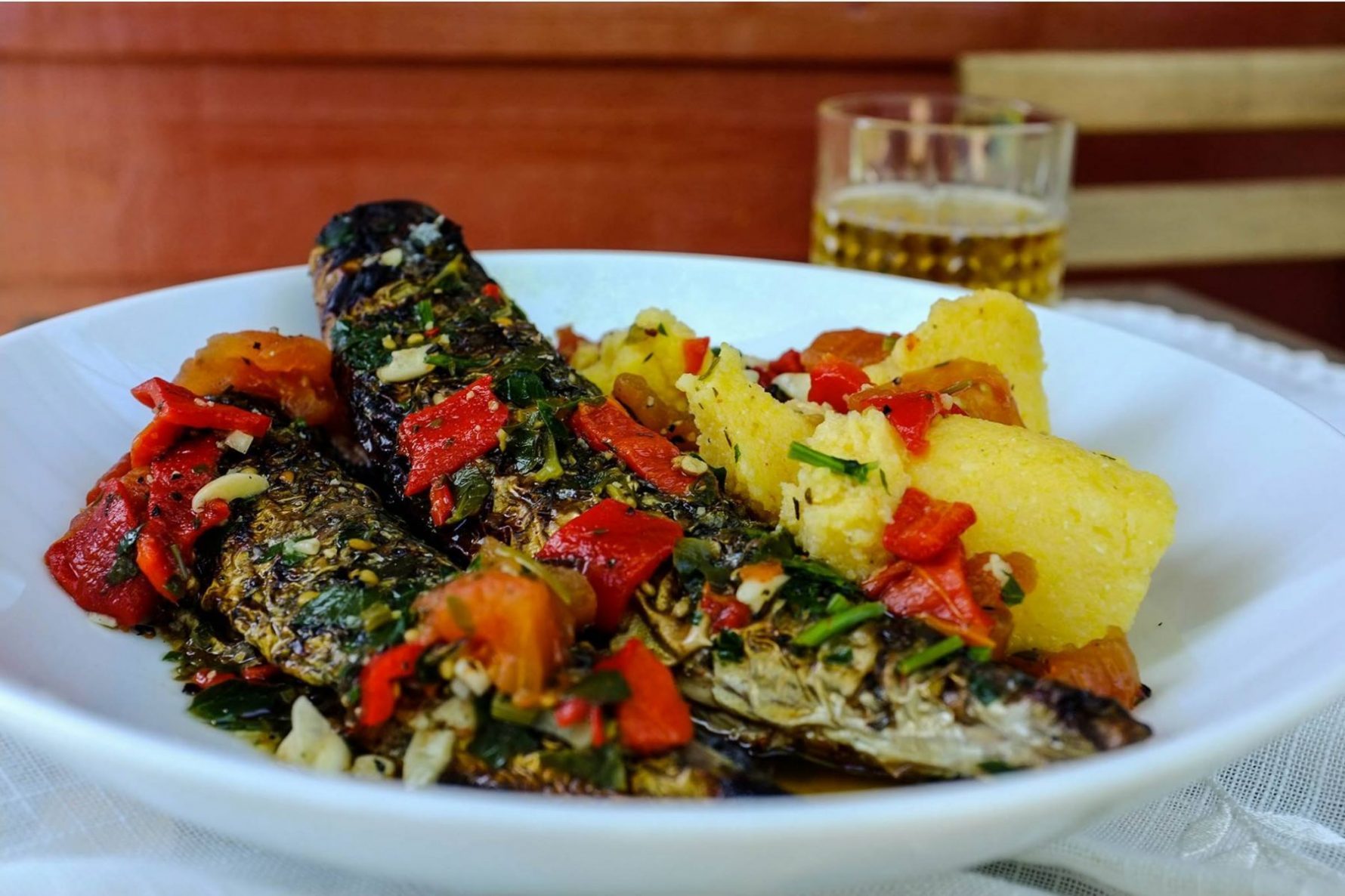
 I also give you a tip, if you come to the Fishermen’s House, order fish ”zacusca” – a traditional fish and boiled vegetables dish which is a treat and you will ask for one more. Mihaela Feodorov revealed to me that ”zacusca” is prepared in autumn, only with vegetables from the local producers, who do not use pesticides or insecticides, and fish is added when customers order this dish, which is finger-licking good. Of course, there are many other dishes that you can try at the Fishermen’s House, from fishballs or nuggets, to brine, ragout, baked, marinated or breaded.
 Lately, many families with children have come to Lunca. There are playgrounds there, and parents can relax, because their little ones never get bored. Whether you go on a minivacation, team building or an anniversary, you will surely dream when you get back home, to this place where you have spent beautiful moments and you will want to return. Have a nice holiday!