For birds and holidays lovers, Dobrogea is a real heaven on earth. Precisely that is the reason why in Danube’s Delta the tourist season opens on 25th of March. In the last few years, very many tourists, local and foreign started to come in Dobrogea and at the Danube’s Delta at the beginning of spring, just to be able to observe the migration of birds. It is pure joy to be able to watch the sky and see the show put on by the winged flocks looking for their nests. The Touristic Destination Management Association Danube’s Delta and the County Council Tulcea have decided to open the tourist season 2019 at the end of March, so that nature lovers to be able find accommodation places. The ones waiting for the Easter holiday or the 1st of May though, to admire Dobrogea’s birds, will also be able to find offers at the hostels and hotels in the beautiful region.
Dobrogea, the magical land of birds

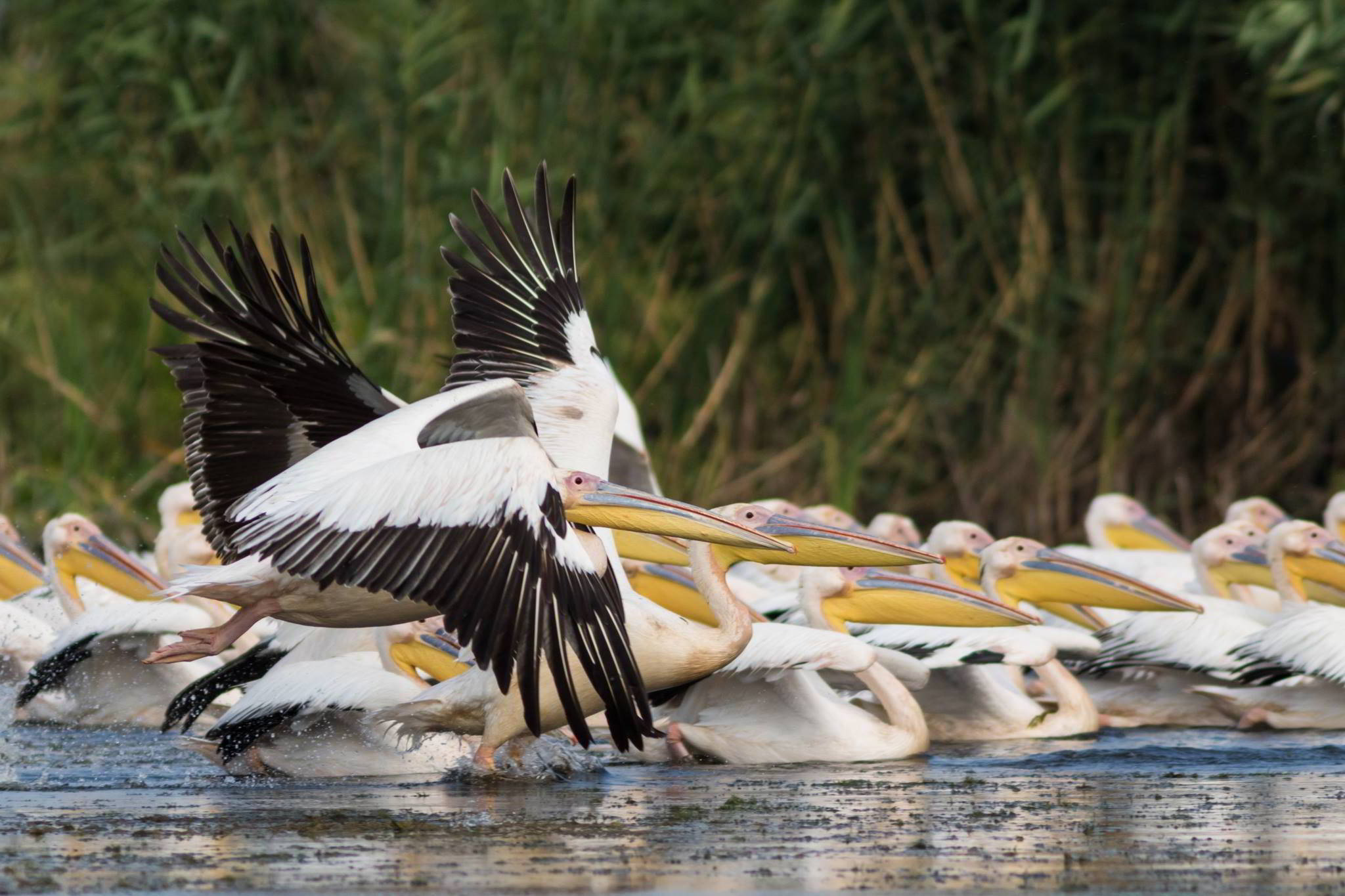
No matter where we go in Dobrogea, be it the Măcin mountains, on the shore of the lake Nuntași, in the Danube’s Delta, in the Vadu area, at Agigea or on the shore of lake Techirgol, we need only raise our eyes at the sky, says Ovidiu Bufnilă, the representative of the Communication Department of the Romanian Ornithological Society (SOR). From him we found out that now, at the end of March we can observe the migration of the storks, cranes and pelicans. Also, large cloud formed from small birds, paseriforms, can be seen many areas from Dobrogea. Lake Techirghiol, Vadu area and of course the North Dobrogea and Danube’s Delta are very good migration observation spots. At the same time, we can also see the common pelican flocks, made of tens of thousands of specimens, which cross through Dobrogea on their way to their nesting area in the Danube’s Delta.
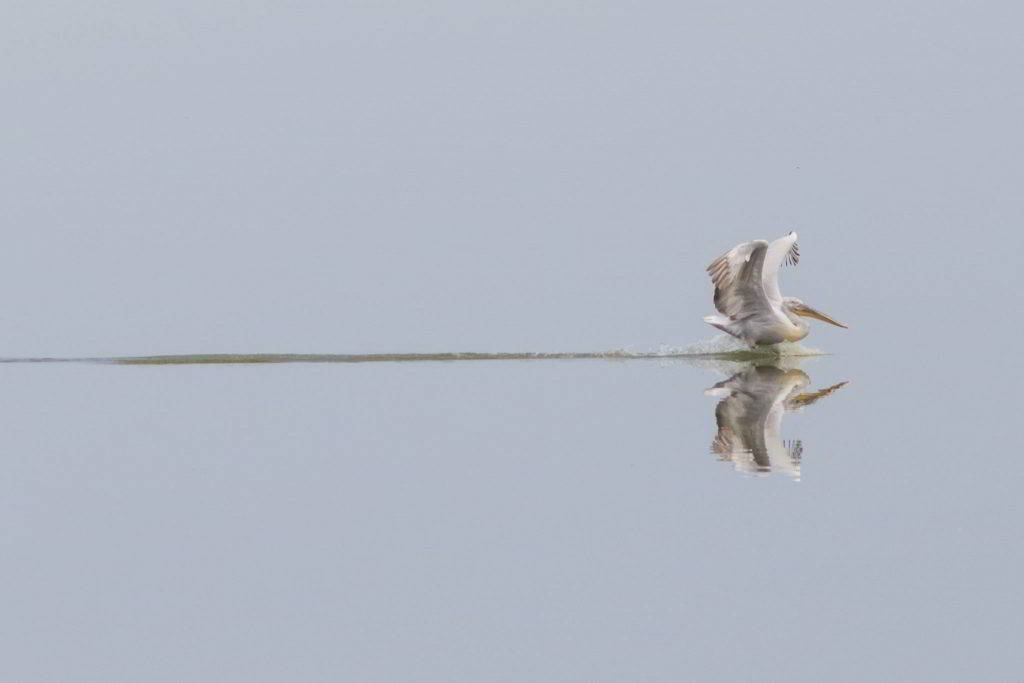
Also the grown pelicans, more rare specimens, can be already seen in the Danube’s Delta. As a first for Romania, the SOR specialists confirmed that in Romania’s fauna appeared a new specie which nests in Constanța. They are talking about the mooted cormorant, which prefers only the sea and accommodated great in the Constanta Harbor. More info about this specie you can find in this article.
The rout of the migratory birds runs through Dobrogea
In this period almost all the birds come back, Ovidiu Bufnilă said. Also, he clarified for us that Dobrogea isn’t just a place these birds choose to nest, it also represents “the throat of the funnel” through which pass almost all the birds on our continent, in their migration from Africa to Europe and Asia.

“We are not the only country from Europe in which the migratory birds nest, but we are the witnesses of an extraordinary spectacle: the yearly migration of the birds. And in Dobrogea we are able to see the strongest specimens, which spent the winter in Africa, ate, recovered their strength and then came back. In the fall we’ll see, together with them, the youth, that hatches this year, but now we have the strong, adult birds, ready to mate, year by year crossing Dobrogea’s sky” tells us Ovidiu Bufnilă.
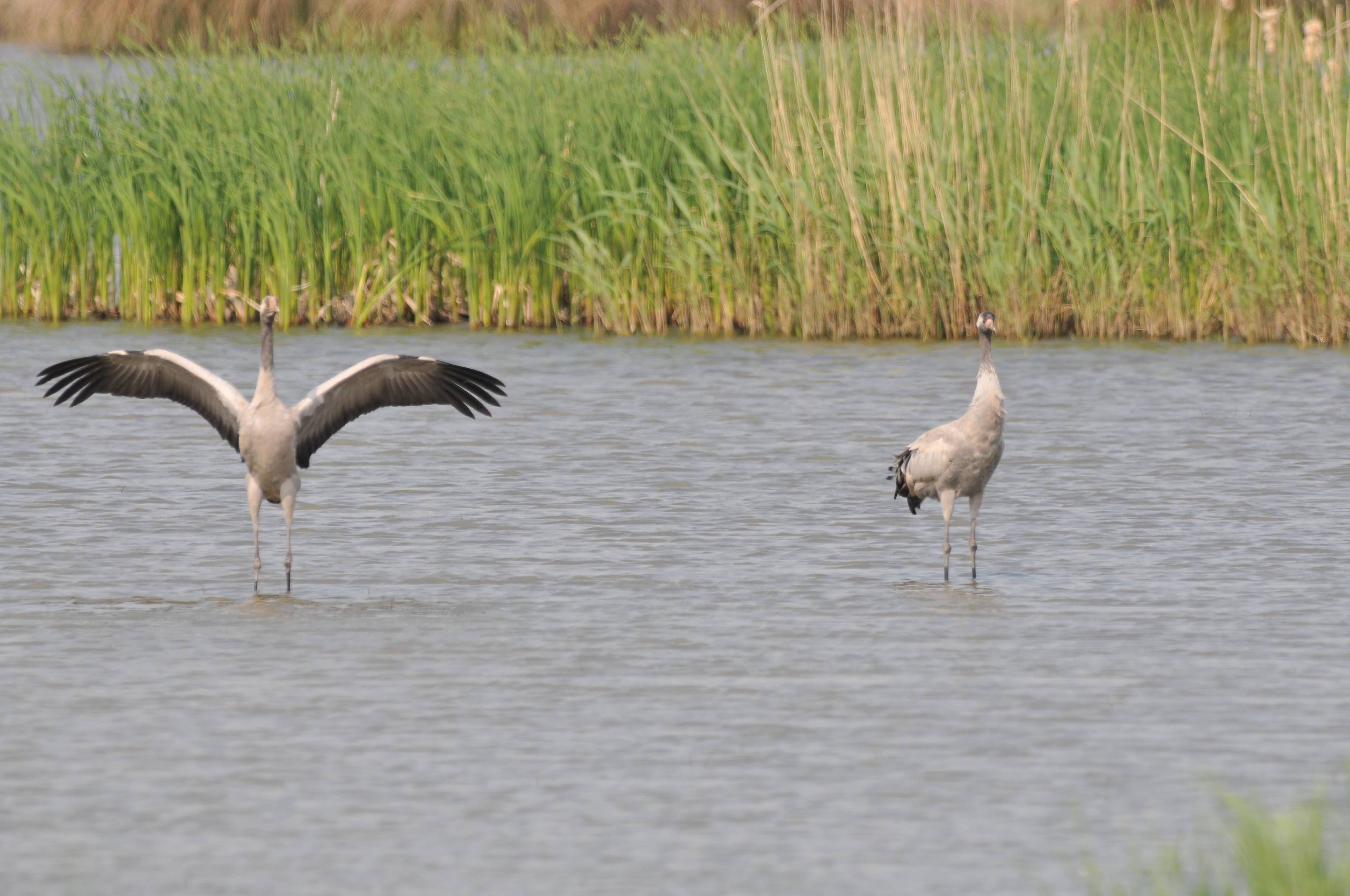
Also, he says, there are no more cranes nesting in Romania, but in Dobrogea they come every year none the less. They arrive from Africa, from Asia Minor, from Israel, where they stayed over the winter and are flying towards North Europe, up until Sweden. The cranes where seen more and more often lately, even though, at one point they had changed their migrating rute and were no longer passing through Dobrogea.
Storks, the symbol of stability
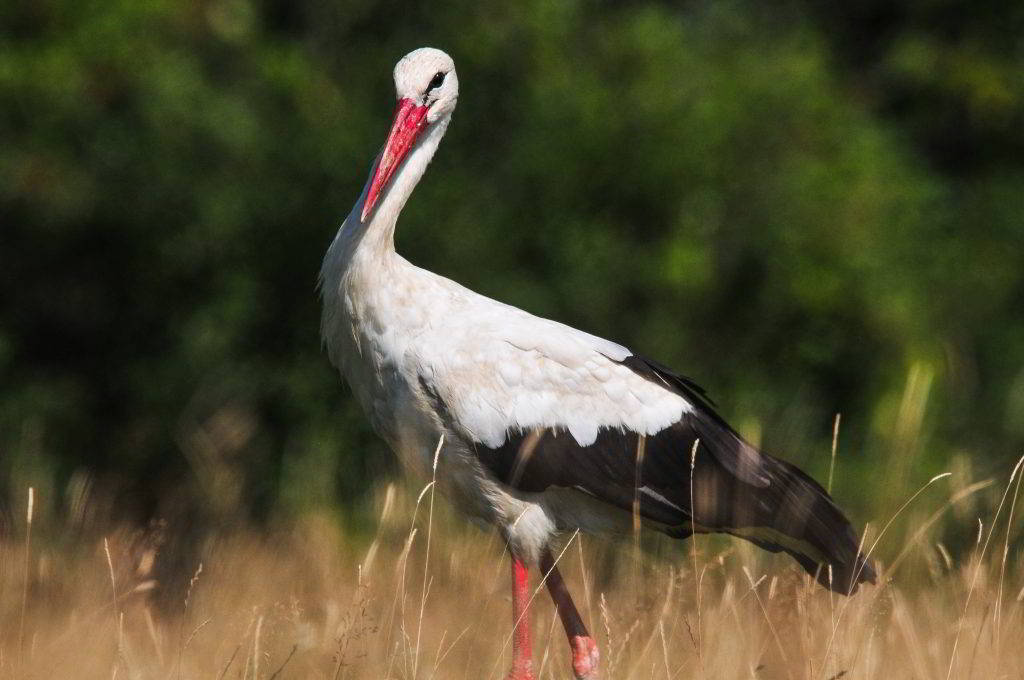
The storks have a perfect functioning “GPS” and they know exactly how to turn to the nest. This is the précis reason, from ancient times, people would recognize the stork as a symbol of stability. They are amazing smart birds that would return to the exact place they nested the year before. Ovidiu Bufnilă (the representative of the Communication Department of the Romanian Ornithological Society (SOR)) offered us a perfect example in this regard. He told us about an incident happened a couple of years ago, in the Argeș district, where, after a stork nest was moved 600 meters away from the initial spot, because of the complaints of a local. SOR had recommended moving the nest at a maximum of 200 meters distance. The nest was relocated at 600 meters distance, so the stork refused to go back to it. This specie is very faithful to the location where it nested and to its mating partner, with who it never parts, so that the stork knows exactly where to go and what to do.
The migration of the birds is in time. They fly even 500 km per day
This year, the migration of the birds is in time, they left in January, February from Africa, they will be in our country in March and start nesting, says Ovidiu Bufnilă. He also clarified that the migration interval depends a lot on the weather and on the food the birds are able to find “As we plan our holidays according to pit stops or fuel stations, the same way do the migratory birds. They come on a well known path, they know where to find food and water, where the dangers are and how to avoid them. They even started to modify their route according to what happens on the way: the building of wind parks, the intensifying of hunting in some areas, but also know very well where they are getting help. So that the next trip depends on this pit stops and on the weather. The stork, for example, being a big bird, would be exhausted if it would continuously fly. That is why they prefer to let themselves be carried by the worm air current just like the paratroopers do. So they get carried on the hot current for as long as possible. This means that sometimes, the storks are able to go through 200 km and even 500 km a day, depending on the winds and currents. There are also some storks staying over the winter in Romania, because we don’t see the cold winters we used to before”, we also found out from Ovidiu Bufnilă.
The spectacle offered by the birds can be seen in many areas from Dobrogea
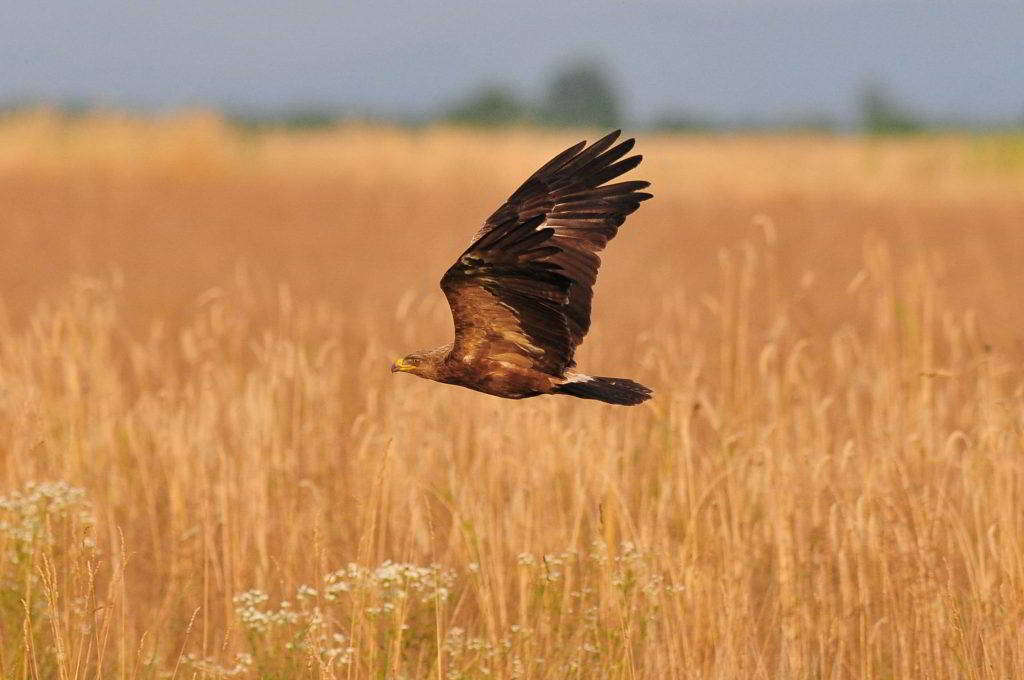
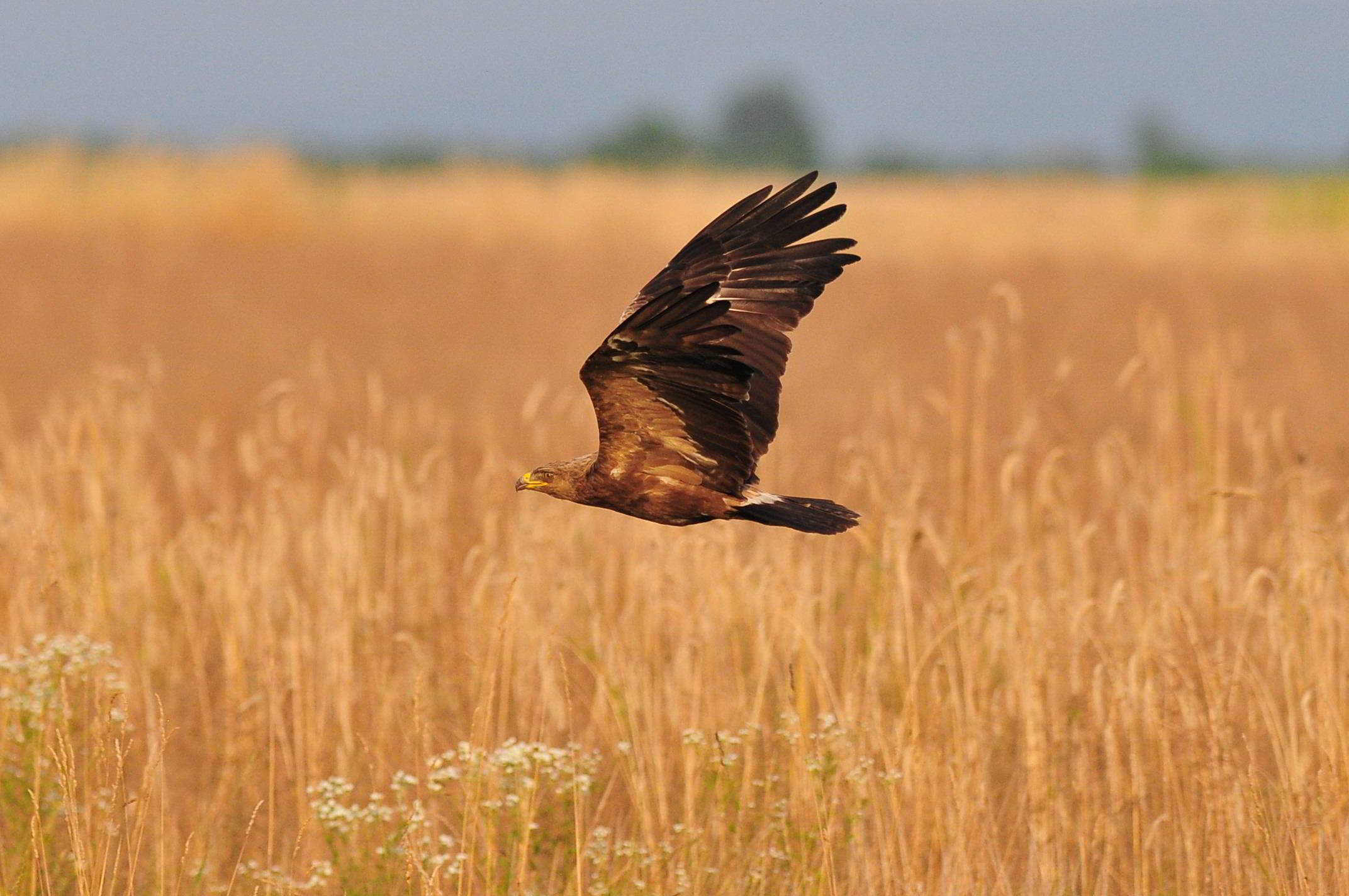
The best places for the birds are the ones with food and water resources. The stork, for example, feeds on rats, so we can find it close to the Năvodari landfill and close to the big cities, says Ovidiu Bufnilă. They don’t handle well the city so they try to stay close to the periphery and in the areas found in the proximity of water sources, like the lakes from Dobrogea, from Vadu or Nuntași or Danube’s Delta. Ovidiu Bufnilă says in this same period starts the migration of the predatory birds. And the eagle will come also through Dobrogea, including the little spotted eagle, its itinerary passing through the area and continuing on to Bulgaria, Turkey and then reaching Africa and Asia.
The bee eaters, Dobrogea’s exotic birds
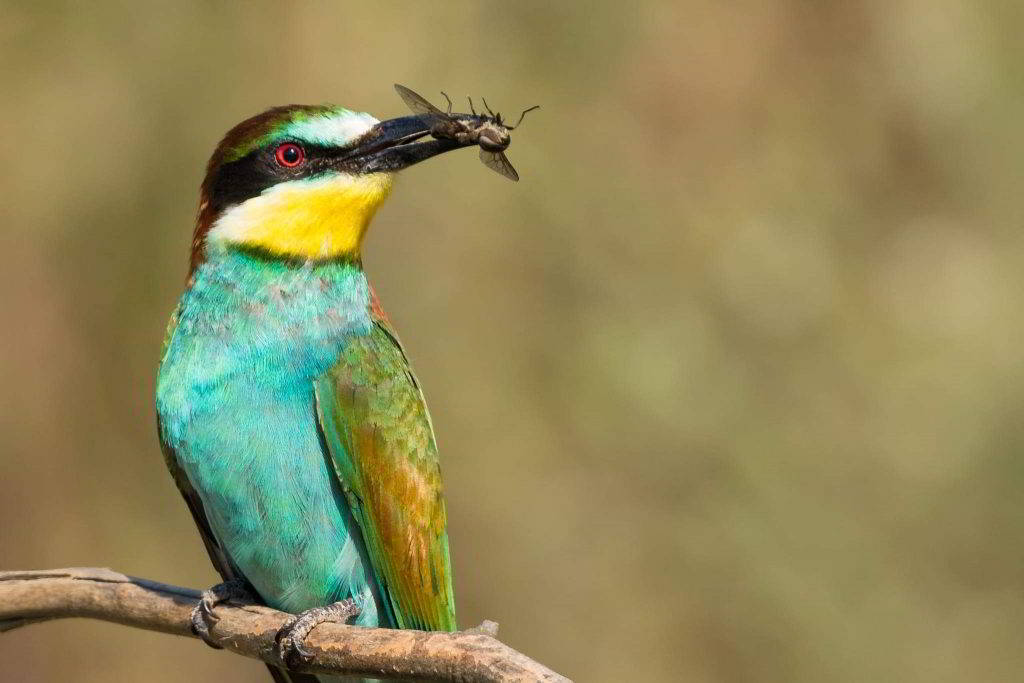
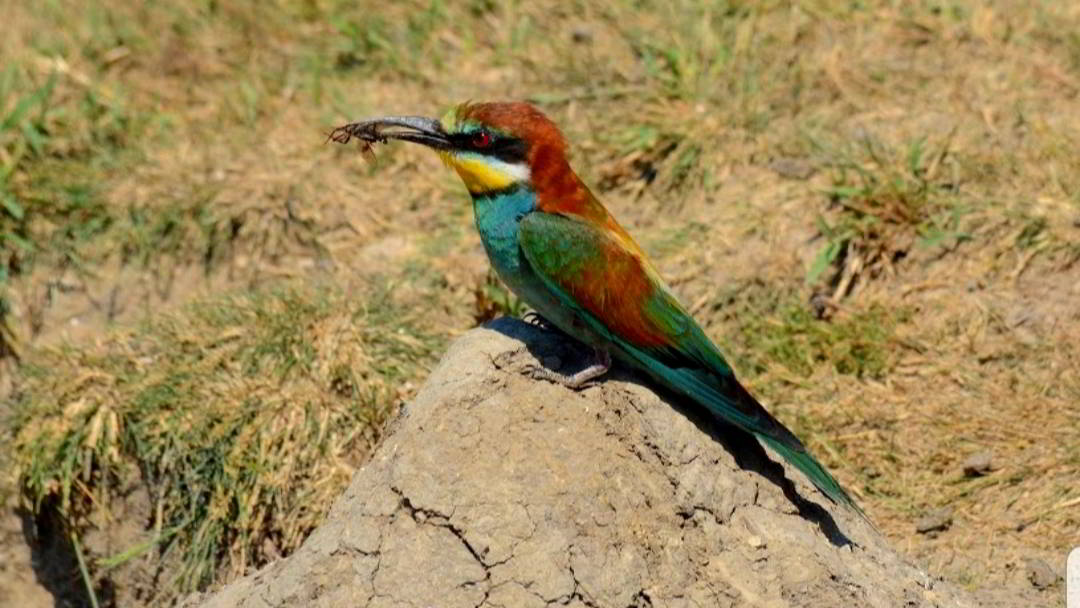
The bee eaters are spectacular birds, probably the most exotic due to their extravagant color, a combination of red, yellow, blue with green nuances. In Dobrogea the bee eaters can be seen without any difficulty, mostly on the sandy shores. Ovidiu Bufnilă revealed that when we see a shore with many holes, there we can find either bee eaters or shore martins. From Ovidiu Bufnilă we also found out there are many people that think it’s good to kill them because they eat the bees.
“There are many bee keepers in Dobrogea that produce honey but don’t know that the bee eater, even though it’s called this way, is eating, not only bees, but also wasps which are known for attacking the bee hives, and also dragonflies and many other insects. The bee eater puts on a real performance while and after capturing a wasp, they hit it with the back to a branch so to take out the poisonous needle and only after that it throws it in the air and swallows it”, tell us Ovidiu Bufnilă.
From the birds we can learn to enjoy spring

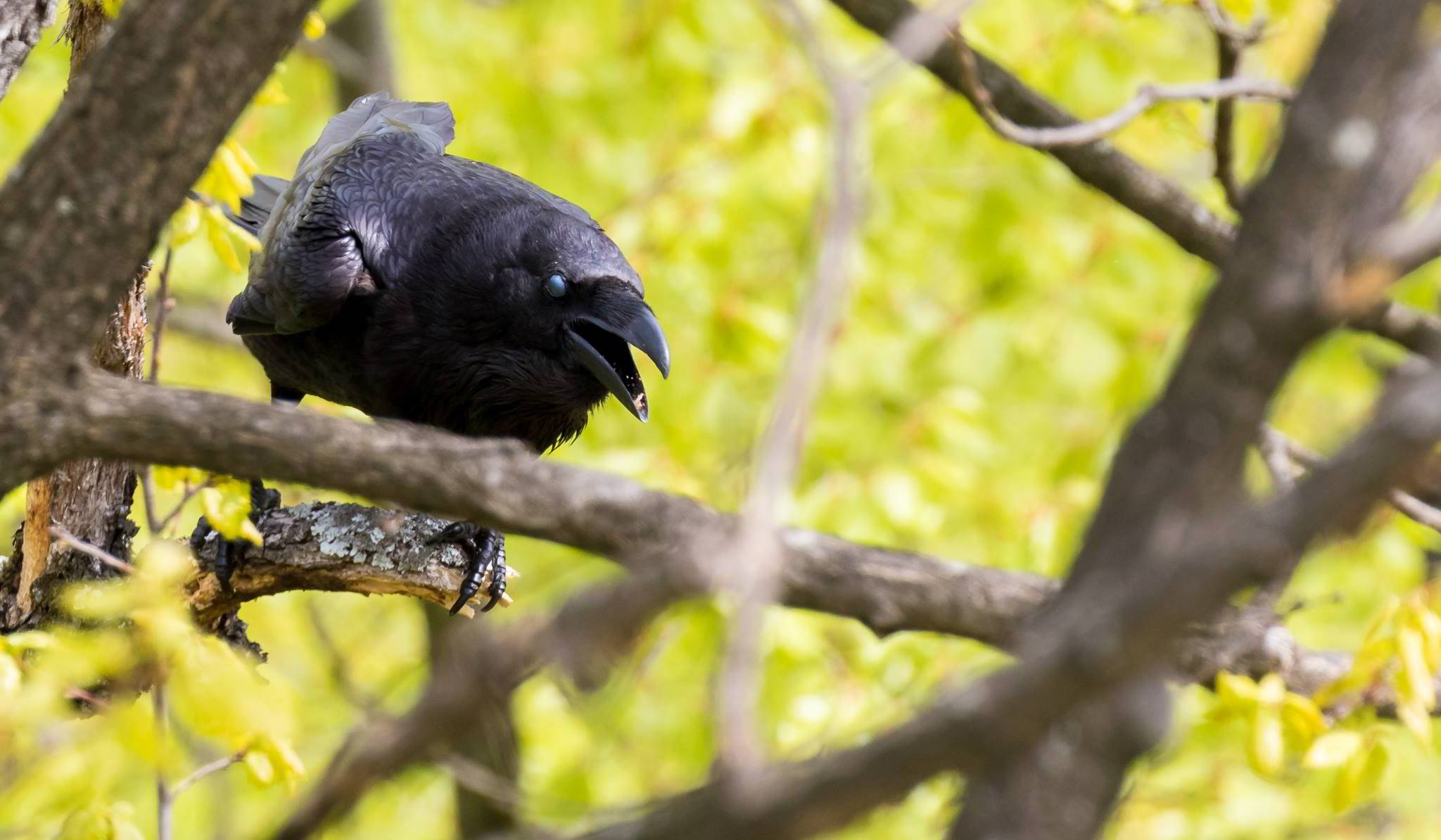
We have a lot of things to learn from the birds. The raven chicks, for example, when their parents grow old, they help them and feed then, says Ovidiu Bufnilă. Also, he states “we can learn from a mire blue titmouse how important it is to have a clean, nice smelling house. The titmouse take lavender and mint to their nests made out of other aromatic herbs, so that it smells as good as possible. More than that, those herbs help them not become the hosts of parasites. I’ve seen in London, on the Thames, among many plastic bottles, papers and bags, some swans were taking those out on the shore using their beak.

The same Ovidiu Bufnilă advises us from time to time to take a brake. “Look at the blackbird in the park, when it finds a sunny spot it stops, stretches its wings and just waits there to become worm. The blackbird is a very fancy bird. We have to learn from the birds to sing and to enjoy simple things. That’s what they do now, they enjoy the nature, the spring and sing all the time”.
The touristic offers for Danube’s Delta for Easter and 1st of May are almost exhausted
The President of the Tourist Destination Danube’s Delta Association, Cătălin Țibuleac says that de hostels and the hotels from the Danube’s Delta are already filled in proportion of almost 80% for the Easter holiday period and for the one on 1st of May. So, the ones that didn’t buy a holiday until now must know that for the free days in the mentioned periods there are still maximum 3000 available places, from a total of 10.000. He states that there is a rise in the number of visitors, compared with other years, and the tourist fairs the Tourist Destination Danube’s Delta Association and Tulcea’s County Council took part in played a very big part in this rise.
Cătălin Țibuleac clarified that for the fishermen, the tourist season in the Danube’s Delta started from the 15th of March and there are organized many competitions for fishing pike, zander and perch. This is also the period for the ones that wish to observe the migration of the birds to reserve rooms for this “show”.
More than that, many choose spring for visiting Danube’s Delta because they are not buttered by the mosquitoes and also weather isn’t too hot, says Cătălin Țibuleac. There are tourists that already both their holiday for May and June months, so that the accommodation units are already booked in proportion of 40%.

 The Black Sea beach and the Danube Delta make Dobrogea a unique destination, a dream place for any visitor. No matter if we talk about Constanţa or Tulcea, in this area there are one of a kind landscapes in Europe, countless traces of ancient civilization “spiced” with a strong religious spirit and an ethnic diversity worthy of envy.
 Located in the south-east of Romania, the historical area of Dobrogea is extremely divers as landform and geological site, but also in terms of microclimate, hydrography, flora and fauna. The diversity of the genetic patterns of relief is typical for the Dobrogean space, being the only area in the country with all the important landforms: mountain, hill, plain, plateau, depression and valley.
 Dobrogea is considered to be Europes best region from the point of view of the wind power. The area between the Danube and Black Sea has a medium intensity of 7.2 meters/second throughout the year, being the ideal place for the placement of wind turbines. To add to that, the relatively flat territory and the low population density make Dobrogea a friendly area for the wind industry. On the other side, the locals and specialists fear that the turbine propellers might scare away the birds that are frequent visitors of the area. In the region Cogealac-Fântânele we can find the biggest wind farm in Europe.
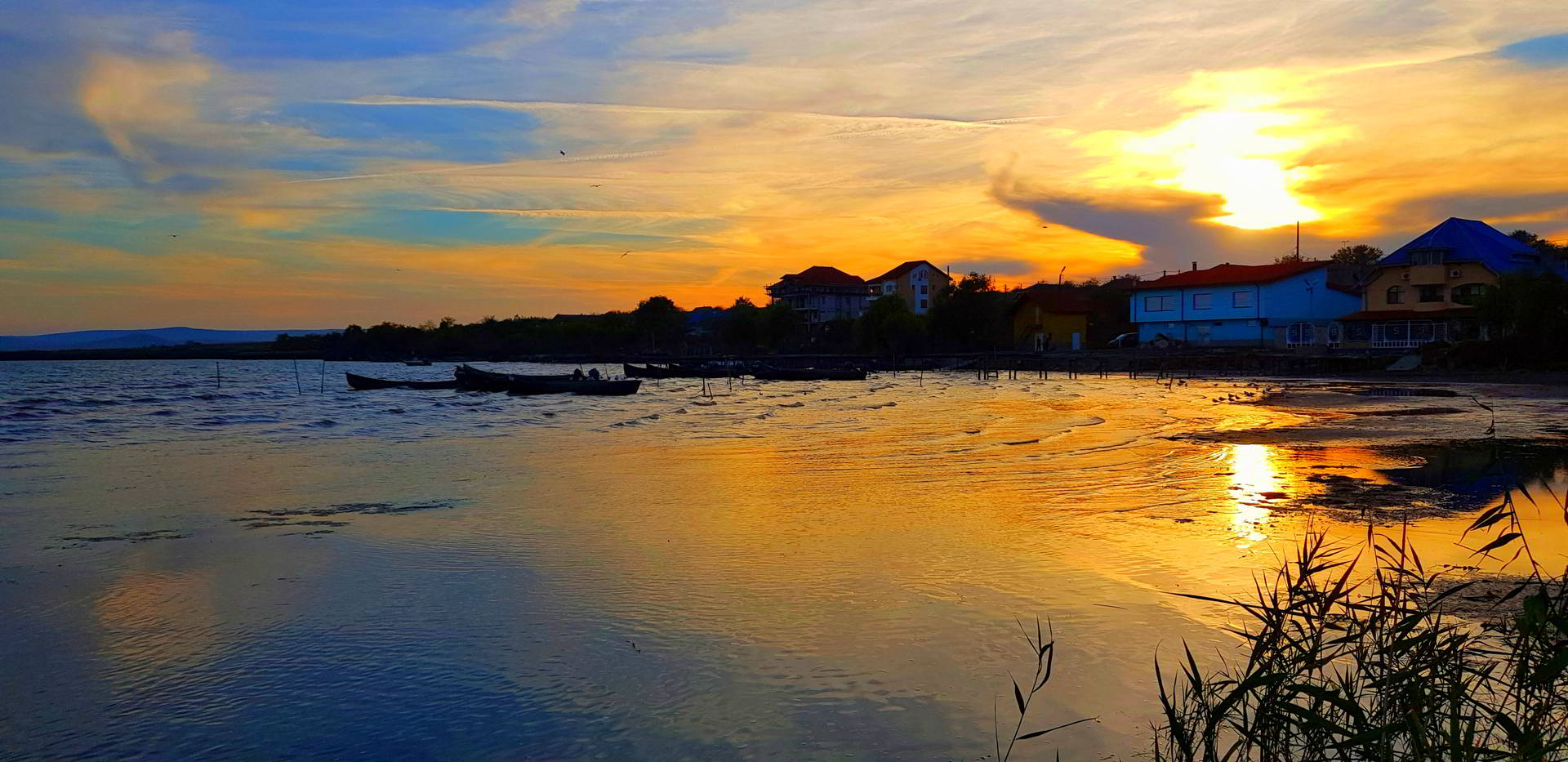
 The most divers hydrographic basin also is in Dobrogea: the Danube river, the Black Sea, smaller rivers, lakes, underground waters, harbors and thermal springs. However, the hydrographic network owes a lot to the Danube and the Black Sea, the rivers in Dobrogea being small, but with devastating effects during floods. Located on the shore of the Black Sea, between Eforie Nord and Eforie Sud, Lake Techirghiol is the largest saline lake from Romania, having a length of 7.5 km, a depth of maximum 9 meters and a salinity of over 90gr/l. This lake stands out from the other lakes because of it’s physic-geographic aspects and because of the therapeutic qualities of it’s water and mud.
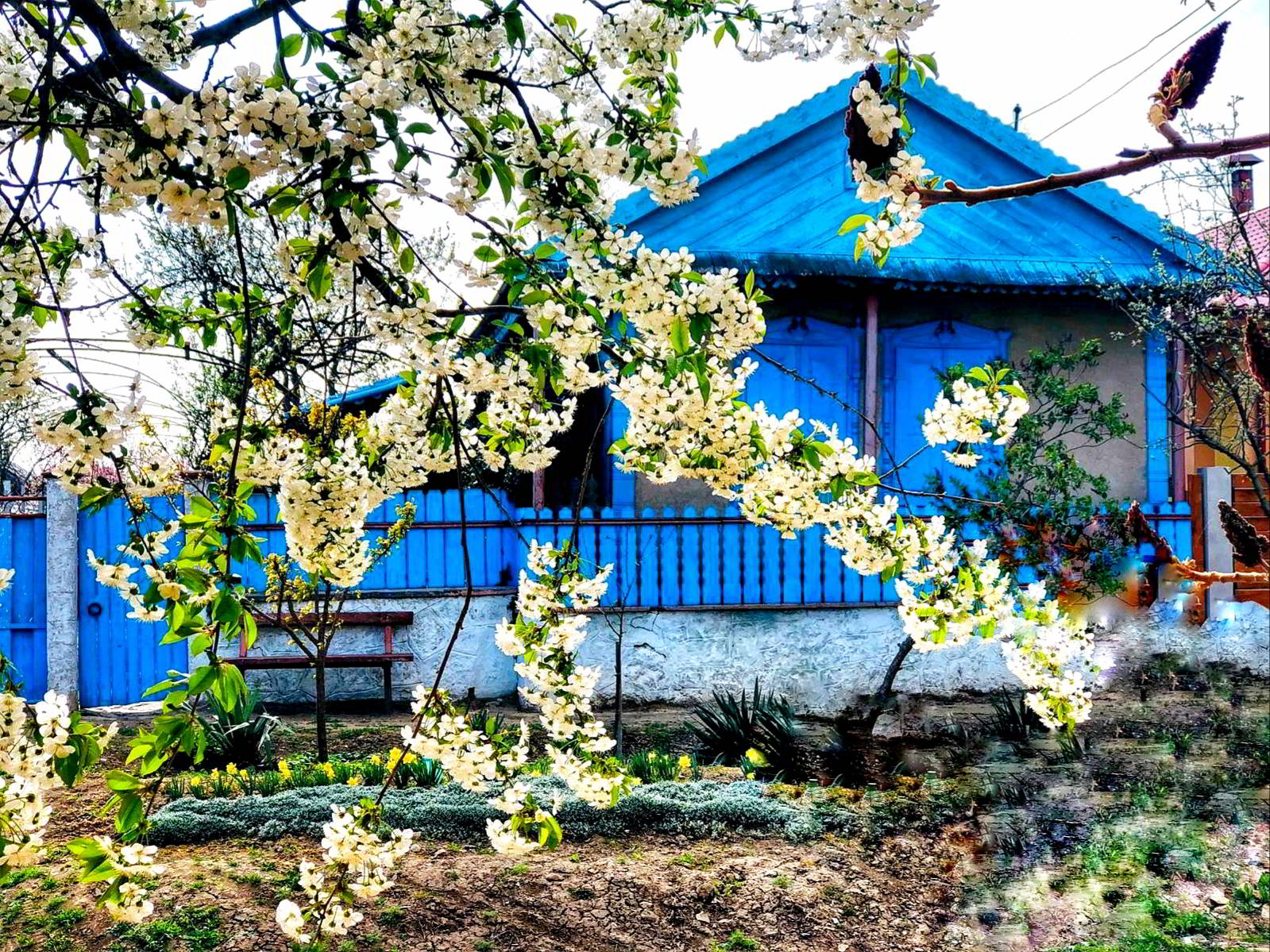
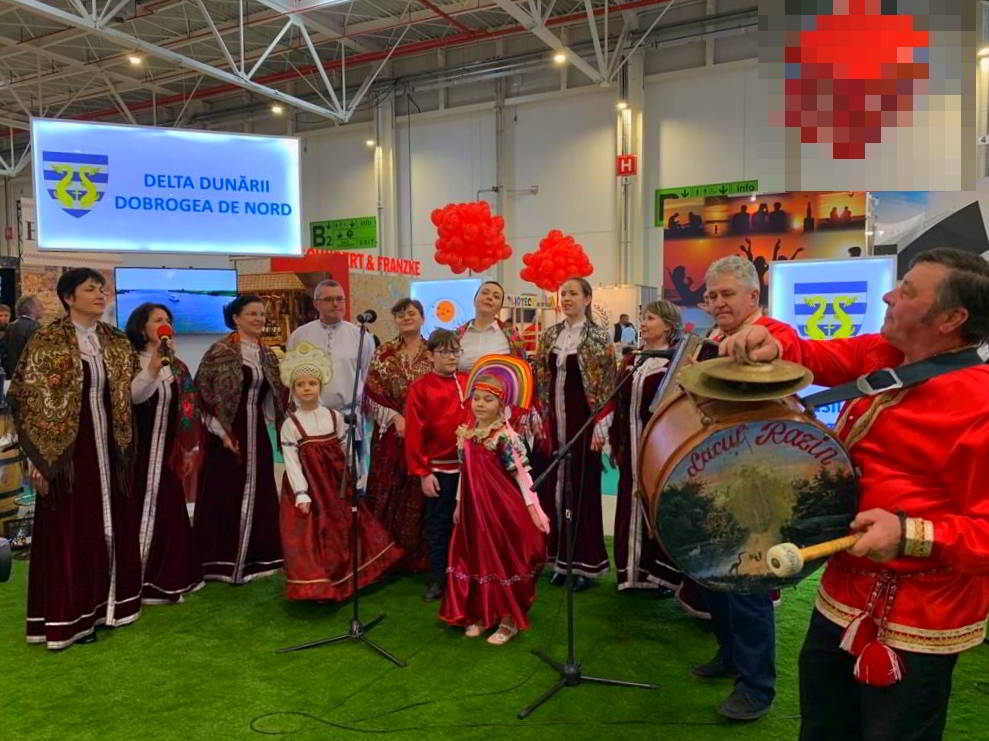 Dobrogea, the region between the Black Sea and the Danube river, represents an architectural and cultural mix, a Balkan mélange, influenced by the time when the houses were built. Because it’s been under different administrations, Dobrogea area represents a collage of contracts, has a certain charm and the inhabitants are very welcoming. 17 ethnical minorities live together in peace and harmony, besides the Romanians, Turks, Bulgarians, Tatars, Roma, Jews, Greeks, Armenians, Russians, Lipovans, Ukrainians, Gagauz, Germans, Italians, Albanians, Serbians, Hungarians and Macedo.
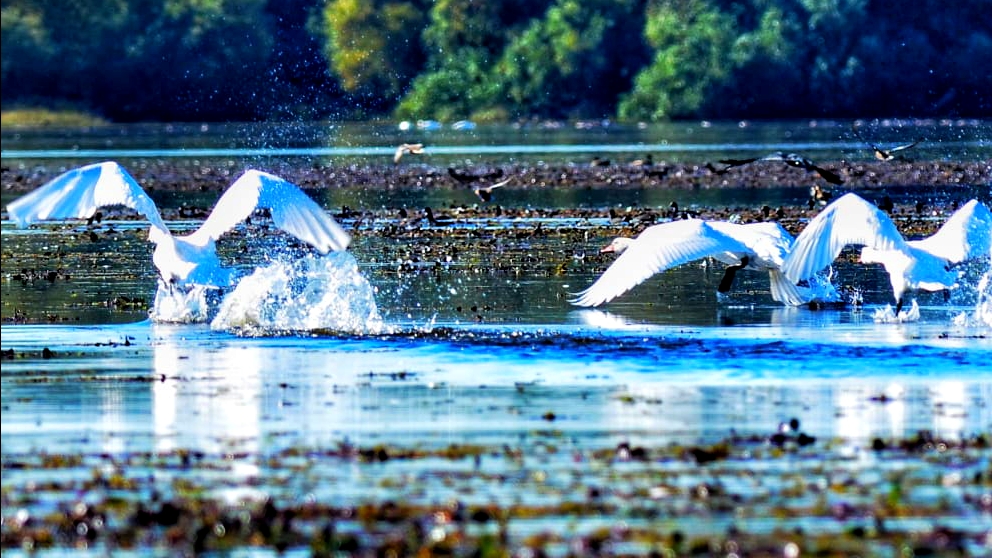 The Danube Delta’s ecosystem is unique in Europe. Over 300 species birds, 130 species fish and 1150 species plants can be found in this fabulous land of water. The Delta is alive and it’s three canals: Chilia, Sulina and Sf. Gheorghe, surrounded by reed and rush and decorated with white and yellow waterlilies, create world of enchantment for all that visit.